
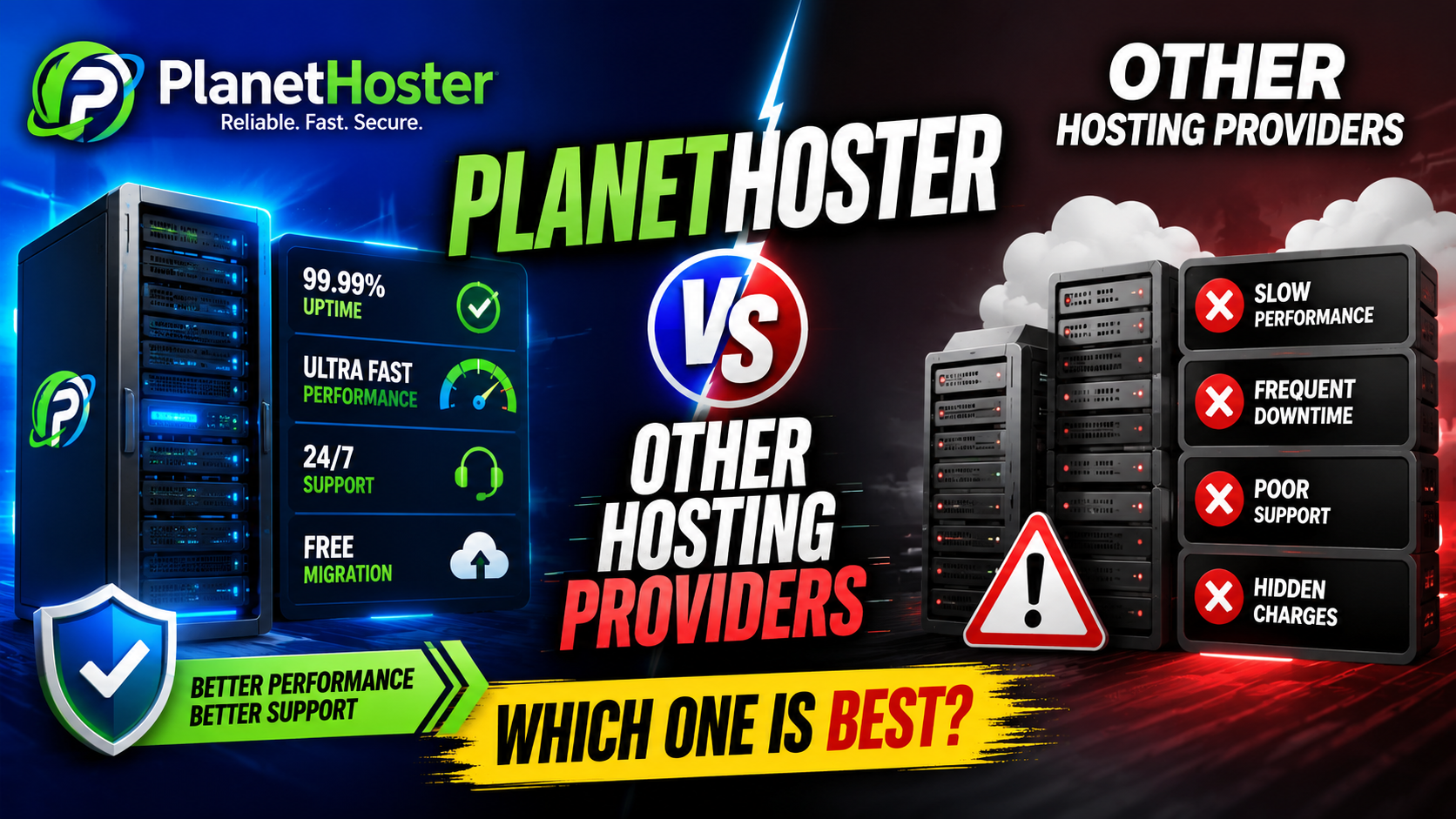
PlanetHoster has become one of the most talked-about hosting providers thanks to its fast NVMe SSD infrastructure, isolated hosting environments, advanced security features, and scalable cloud solutions. In this detailed comparison, we explore how PlanetHoster stacks up against major hosting companies like Hostinger, Bluehost, SiteGround, and Cloudways. From pricing and performance to security, uptime, customer support, and developer-friendly tools, this guide helps bloggers, businesses, agencies, and developers decide which hosting provider offers the best overall value in 2026.
Table of Contents
- Understanding PlanetHoster in 2026
- Why Choosing the Right Hosting Provider Matters
- PlanetHoster Key Features Explained
- PlanetHoster vs Hostinger
- PlanetHoster vs Bluehost
- PlanetHoster vs SiteGround
- PlanetHoster vs Cloudways
- Who Should Use PlanetHoster?
- Pricing and Value Comparison Table
- Final Verdict: Is PlanetHoster Better Than Other Hosting Providers?
- Conclusion
- FAQs
Understanding PlanetHoster in 2026

What Makes PlanetHoster Different
PlanetHoster has evolved far beyond being just another shared hosting company. Founded in Canada, the company now serves customers globally with infrastructure located across Europe and North America. One of the most interesting things about PlanetHoster is that it heavily promotes its proprietary ecosystem rather than relying entirely on third-party solutions. Many hosts simply resell infrastructure from larger cloud companies, but PlanetHoster operates with its own N0C management system and custom hosting architecture.
Its flagship shared hosting solution, called “The World,” uses isolated hosting containers. Think of it like living in an apartment building where every apartment has soundproof walls. If one neighbor causes chaos, it does not affect everyone else. Traditional shared hosting often suffers from the “noisy neighbor” problem where one overloaded website slows down the entire server. PlanetHoster claims its isolated architecture eliminates this issue entirely.
Another area where PlanetHoster differs is its focus on scalability without complexity. VPS hosting often requires technical expertise, server maintenance, and command-line management. PlanetHoster tries to provide VPS-like performance while keeping things beginner-friendly. That middle ground appeals to freelancers, agencies, and growing businesses that want power without becoming full-time server administrators.
The company also emphasizes infrastructure quality. Its hosting systems use NVMe SSD storage, distributed cloud architecture, redundant backups, and advanced anti-DDoS protection. According to PlanetHoster, websites hosted on “The World” platform load approximately 40% faster than traditional shared hosting environments.
Overview of PlanetHoster Hosting Products
PlanetHoster mainly offers two major hosting categories: The World and HybridCloud. The World is designed for shared hosting users who still want premium-level isolation and performance. HybridCloud, on the other hand, targets businesses needing dedicated resources and scalable cloud infrastructure.
The World hosting package includes support for unlimited websites, multiple programming languages like PHP, Node.js, Python, and Ruby, free SSL certificates, automated backups, and the custom N0C control panel. Unlike cPanel, which many users find outdated, N0C is built specifically for PlanetHoster’s infrastructure and offers a cleaner, more modern interface.
HybridCloud takes things further with dedicated resources, managed cloud infrastructure, AutoPeakPower scaling technology, and extremely high uptime reliability. PlanetHoster states its infrastructure is hosted in TIER III and TIER IV certified environments with uptime levels around 99.982%.
What really makes PlanetHoster appealing is that it bridges the gap between cheap beginner hosting and expensive enterprise cloud hosting. Many hosting providers force users into one category or the other. PlanetHoster tries to offer a smoother transition path as websites grow.
Why Choosing the Right Hosting Provider Matters
Impact on Website Speed and SEO
Website hosting directly affects your SEO rankings more than many people realize. Imagine opening a website that takes six seconds to load. Most visitors leave before the homepage even appears. Google also uses page speed as a ranking factor, meaning slower websites often struggle to compete in search results.
PlanetHoster has invested heavily in performance-focused infrastructure. Its use of NVMe SSD drives is important because NVMe storage is significantly faster than traditional SSDs. According to PlanetHoster’s official information, their infrastructure delivers page load times below 1.5 seconds for standard WordPress websites.
Compared to low-cost hosting providers, this performance difference becomes noticeable during traffic spikes. Cheap shared hosting environments often collapse under sudden visitor surges because resources are oversold. PlanetHoster’s isolated architecture reduces the risk of performance bottlenecks.
That said, some competitors also perform exceptionally well. SiteGround is known for Google Cloud infrastructure, while Cloudways provides highly customizable cloud hosting. Hostinger has improved dramatically in recent years with LiteSpeed servers and affordable optimization tools. The real difference comes down to balance. PlanetHoster combines strong speed with easier management and security, which makes it attractive for non-technical users.
Security and Uptime Considerations
Security has become one of the biggest concerns in hosting today. Cyberattacks, malware injections, and ransomware incidents continue increasing every year. A hosting provider that cuts corners on security can destroy a business overnight.
PlanetHoster includes several security features by default, including DDoS protection, free SSL certificates, isolated hosting environments, and automated daily backups. Their systems also replicate data across redundant infrastructure for additional reliability.
The isolated hosting environment is particularly valuable. In traditional shared hosting, if one website on the server gets infected, neighboring sites may also become vulnerable. PlanetHoster’s architecture attempts to prevent this kind of cross-contamination.
Uptime is equally critical. Every minute your website stays offline means lost traffic, lost revenue, and damaged trust. PlanetHoster’s infrastructure reportedly operates in highly certified data centers with uptime levels exceeding 99.98%.
Bluehost and Hostinger also provide decent uptime, but SiteGround and Cloudways generally compete more directly with PlanetHoster in the premium performance category. If reliability matters more than absolute lowest pricing, PlanetHoster becomes a strong contender.
PlanetHoster Key Features Explained
NVMe SSD and Performance Infrastructure
Performance is the backbone of modern hosting, and PlanetHoster clearly understands this. Its infrastructure uses enterprise-grade NVMe SSD storage instead of traditional SATA SSDs. To put that into perspective, NVMe drives can deliver several times faster read and write speeds compared to standard SSD technology.
PlanetHoster also claims that website data is replicated three times in real-time within its infrastructure. That matters because redundancy improves both reliability and disaster recovery. If one hardware component fails, backups and replicas reduce downtime risks dramatically.
Another standout feature is guaranteed resource allocation. Traditional shared hosting dynamically shares CPU and RAM between hundreds or even thousands of websites. PlanetHoster instead allocates dedicated resources to each hosting environment. This creates more predictable performance, especially during traffic spikes.
For WordPress users, PlanetHoster includes caching optimizations and CMS acceleration features. Combined with LiteSpeed technology and built-in caching systems, this can significantly improve website responsiveness.
N0C Control Panel and User Experience
Most hosting providers rely on cPanel or Plesk, which are functional but sometimes outdated. PlanetHoster developed its own proprietary control panel called N0C. According to PlanetHoster, N0C was specifically designed for web professionals, agencies, and developers while still remaining beginner-friendly.
The interface feels cleaner and more modern compared to traditional hosting dashboards. Managing websites, databases, email accounts, backups, and SSL certificates becomes more intuitive. Users can also manage PHP versions, Node.js applications, and advanced server settings from within the dashboard.
This custom-built environment gives PlanetHoster tighter integration between hardware and software. Instead of relying on generic third-party panels, they optimize everything together. That can improve both performance and security.
For beginners migrating from cPanel-based providers, there may be a slight learning curve. But once users become familiar with N0C, many actually prefer it due to its speed and simplicity.
Security Features and Automatic Backups
Security features often determine whether a hosting company deserves long-term trust. PlanetHoster includes automated daily backups, free SSL certificates, anti-malware systems, DDoS mitigation, and web application firewall protection.
One particularly useful feature is the long backup retention period. PlanetHoster states that encrypted backups can be retained for up to 45 days depending on the plan. That is extremely valuable because many hosting providers only store backups for 7 to 14 days.
PlanetHoster also benefits from infrastructure certifications including ISO 27001, SOC 2, and PCI-DSS compliance in certain environments. These certifications matter for businesses handling customer payments or sensitive data.
PlanetHoster vs Hostinger
Pricing Comparison
Hostinger has built its reputation on affordability. It is often one of the cheapest major hosting providers available. Beginners and budget-conscious users frequently choose Hostinger because introductory plans can cost only a few dollars per month.
PlanetHoster is not the cheapest option. Its pricing is positioned more toward premium shared hosting rather than budget hosting. While some users may hesitate at the higher monthly cost, the included features justify much of the difference. PlanetHoster includes isolated environments, premium infrastructure, advanced backups, and higher-end performance features that cheaper providers often reserve for expensive upgrades.
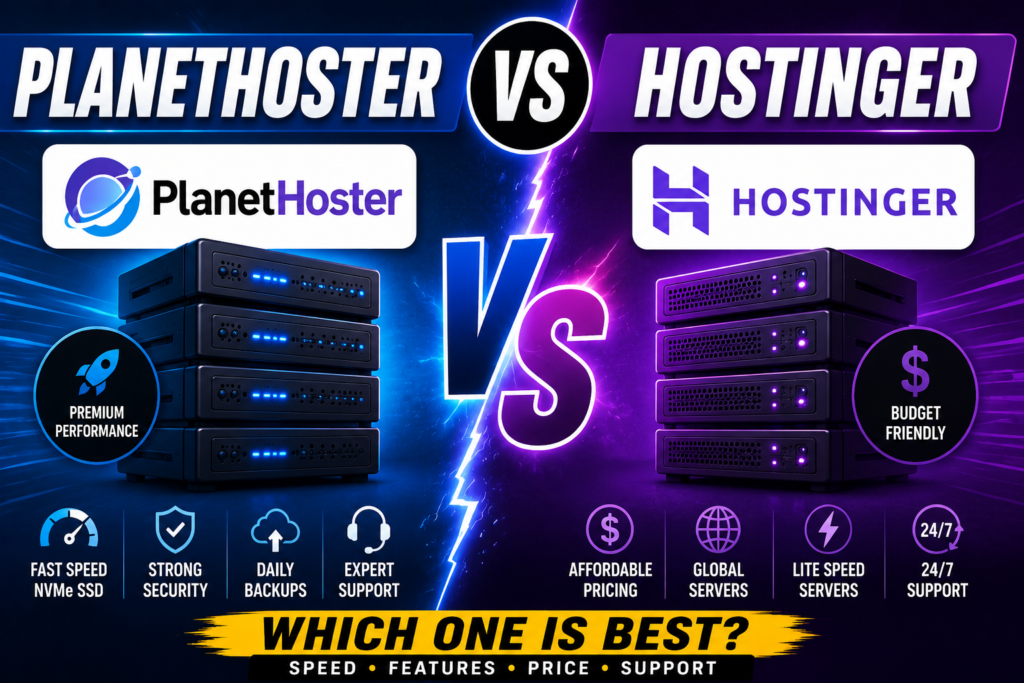
| Feature | PlanetHoster | Hostinger |
| NVMe SSD Storage | Yes | Yes |
| Isolated Hosting Containers | Yes | Limited |
| Free SSL | Yes | Yes |
| Proprietary Control Panel | N0C | hPanel |
| Daily Backups | Included | Limited on lower plans |
| Resource Guarantees | Yes | Shared |
| Beginner Pricing | Higher | Lower |
Hostinger wins in raw affordability, but PlanetHoster offers stronger infrastructure and premium-level reliability.
Speed and Scalability
Hostinger performs impressively well considering its low pricing. Its LiteSpeed servers and global CDN integration deliver excellent loading speeds for most small websites. However, PlanetHoster generally provides more consistent performance during traffic surges because of its isolated hosting model.
Scalability is another important difference. PlanetHoster allows smoother upgrades toward cloud hosting and dedicated resources. Businesses expecting growth may appreciate this flexibility more than constantly migrating between separate hosting tiers.
PlanetHoster vs Bluehost
Beginner Friendliness
Bluehost has long been marketed as a beginner-friendly hosting provider, especially for WordPress users. Its onboarding process is simple, and the company maintains a close relationship with WordPress itself.
PlanetHoster is also user-friendly, but it feels more modern and performance-oriented. Bluehost sometimes struggles with performance consistency because of heavily oversold servers. PlanetHoster’s isolated environment architecture gives it an advantage for websites expecting steady growth.
Bluehost does provide easier setup for total beginners, particularly users creating their first WordPress site. But as websites grow larger, many users outgrow Bluehost relatively quickly and start seeking better-performing alternatives.
WordPress Hosting Performance
For WordPress hosting, PlanetHoster clearly focuses on speed optimization. Its infrastructure includes native caching systems, NVMe storage, and CMS-specific optimizations.
Bluehost performs adequately for smaller blogs and simple business websites. But PlanetHoster tends to offer better long-term performance, stronger backup systems, and more advanced scalability.
If your primary goal is launching a personal blog cheaply, Bluehost may work. If you care about professional performance, SEO, and long-term reliability, PlanetHoster feels more future-proof.
PlanetHoster vs SiteGround
Support Quality
SiteGround has one of the strongest reputations for customer support in the hosting industry. Fast response times, knowledgeable agents, and detailed troubleshooting make SiteGround popular among professionals.
PlanetHoster also offers strong support, particularly for technical users and agencies. The company emphasizes 24/7 managed assistance and infrastructure expertise.
The difference comes down to style. SiteGround feels extremely polished and beginner-focused, while PlanetHoster feels more infrastructure-focused and technically advanced.
Advanced Hosting Features
Both companies prioritize premium hosting experiences rather than ultra-cheap plans. SiteGround relies heavily on Google Cloud infrastructure, while PlanetHoster emphasizes its proprietary infrastructure and custom hosting environment.
PlanetHoster’s isolated architecture and N0C control panel provide a unique advantage for agencies managing multiple websites. SiteGround excels in usability and customer experience, but PlanetHoster often delivers stronger flexibility for advanced users.
PlanetHoster vs Cloudways
Managed Cloud Hosting Differences
Cloudways operates differently from traditional hosting companies because it acts as a management layer on top of cloud providers like AWS, DigitalOcean, and Google Cloud.
PlanetHoster simplifies the cloud hosting experience more aggressively. Instead of forcing users to choose between different cloud vendors, it provides a more unified ecosystem. That simplicity can be valuable for businesses that want performance without managing complex infrastructure decisions.
Flexibility for Developers
Developers often love Cloudways because it allows deep customization and cloud infrastructure flexibility. Advanced users can optimize nearly every server parameter.
PlanetHoster also supports developers with Node.js, Python, Ruby, SSH access, and advanced configuration controls. However, Cloudways remains slightly more developer-centric overall.
PlanetHoster balances developer flexibility with easier usability, which appeals more to agencies and growing businesses than hardcore server administrators.
Who Should Use PlanetHoster?

Best for Bloggers and Small Businesses
PlanetHoster works extremely well for bloggers, freelancers, consultants, and small businesses wanting premium hosting without enterprise-level complexity. Its performance-focused infrastructure helps improve SEO rankings, user experience, and website reliability.
The inclusion of automated backups, SSL certificates, DDoS protection, and isolated hosting environments removes many technical headaches. Business owners can focus on content and growth rather than server management.
Best for Agencies and Developers
Agencies benefit heavily from PlanetHoster’s isolated project environments. Multiple client websites can coexist securely without performance interference. Developers also appreciate support for multiple programming languages and advanced hosting controls.
PlanetHoster becomes especially valuable when managing high-traffic WordPress sites, WooCommerce stores, or complex web applications requiring stronger infrastructure reliability.
Read More:-
How Gorgias Helps Marketing Agencies Manage Ecommerce Customers
How Webnode Makes Website Building Easy for Beginners
checkdomain DE Review 2026: Features, Pricing & Domain Services Explained
INSTAREM GLOBAL Explained: Features, Fees, and Benefits
Corel, Roxio & Pinnacle | Multimedia Software Explained: Features, Pricing & Benefits
Veeam Performance Marketing Program: A Step-by-Step Guide for Marketers
MindManager | Mind Mapping Software: Complete Review & Features Guide
Pricing and Value Comparison Table
| Hosting Provider | Best For | Starting Pricing Style | Performance Level | Ease of Use | Scalability |
| PlanetHoster | Agencies & Growing Businesses | Premium Mid-Range | Excellent | High | Excellent |
| Hostinger | Budget Beginners | Very Cheap | Good | Very High | Moderate |
| Bluehost | WordPress Beginners | Affordable | Average | Very High | Moderate |
| SiteGround | Premium WordPress Hosting | Higher-End | Excellent | Excellent | High |
| Cloudways | Developers & Cloud Users | Variable | Excellent | Moderate | Excellent |
Final Verdict: Is PlanetHoster Better Than Other Hosting Providers?
PlanetHoster is not necessarily the absolute best hosting provider for every single user. But it is one of the strongest all-around options available right now for users wanting a balance of speed, security, scalability, and usability.
Hostinger wins on affordability. Bluehost wins on beginner simplicity. Cloudways wins on developer-level cloud flexibility. SiteGround wins on polished support experiences. PlanetHoster, however, manages to combine many strengths from all these competitors into one package.
Its isolated hosting architecture, NVMe SSD infrastructure, proprietary N0C control panel, strong security features, and scalable ecosystem make it especially attractive for serious website owners. According to PlanetHoster’s infrastructure documentation, its hosting environment emphasizes premium performance, redundancy, and advanced protection systems.
If your website is important to your business, PlanetHoster absolutely deserves consideration. It may cost slightly more than entry-level providers, but the performance and reliability gains can easily justify the investment.




Conclusion
Choosing between PlanetHoster and other hosting providers ultimately depends on what matters most to you. If your main concern is finding the cheapest possible hosting, providers like Hostinger may fit better. If you want beginner-friendly WordPress setup, Bluehost remains a familiar choice. Developers looking for extreme cloud customization may still prefer Cloudways.
PlanetHoster shines because it delivers premium-level hosting without overwhelming users with technical complexity. Its isolated architecture, NVMe SSD performance, advanced security systems, and scalable infrastructure create a strong middle ground between beginner hosting and enterprise cloud hosting.
For bloggers, agencies, freelancers, online stores, and growing businesses, PlanetHoster offers one of the best overall hosting experiences currently available. It focuses heavily on reliability, speed, and infrastructure quality rather than simply competing on low pricing. In a market flooded with overcrowded shared hosting environments, that approach makes PlanetHoster stand out.
FAQs
Q. Is PlanetHoster good for WordPress websites?
A. Yes, PlanetHoster is highly optimized for WordPress hosting. It includes NVMe SSD storage, caching optimizations, automatic backups, and isolated environments that improve performance and security.
Q. Is PlanetHoster better than Hostinger?
A. PlanetHoster generally offers stronger infrastructure, better isolation, and more premium features, while Hostinger is more affordable for beginners on a tight budget.
Q. Does PlanetHoster offer free SSL certificates?
A. Yes, PlanetHoster includes free SSL certificates with its hosting plans.
Q. Can beginners use PlanetHoster easily?
A. Yes, although PlanetHoster includes advanced features, its N0C control panel is designed to remain beginner-friendly and modern.
Q. Is PlanetHoster suitable for agencies?
A. Absolutely. Agencies benefit from isolated hosting projects, scalable infrastructure, multiple programming language support, and advanced management tools.