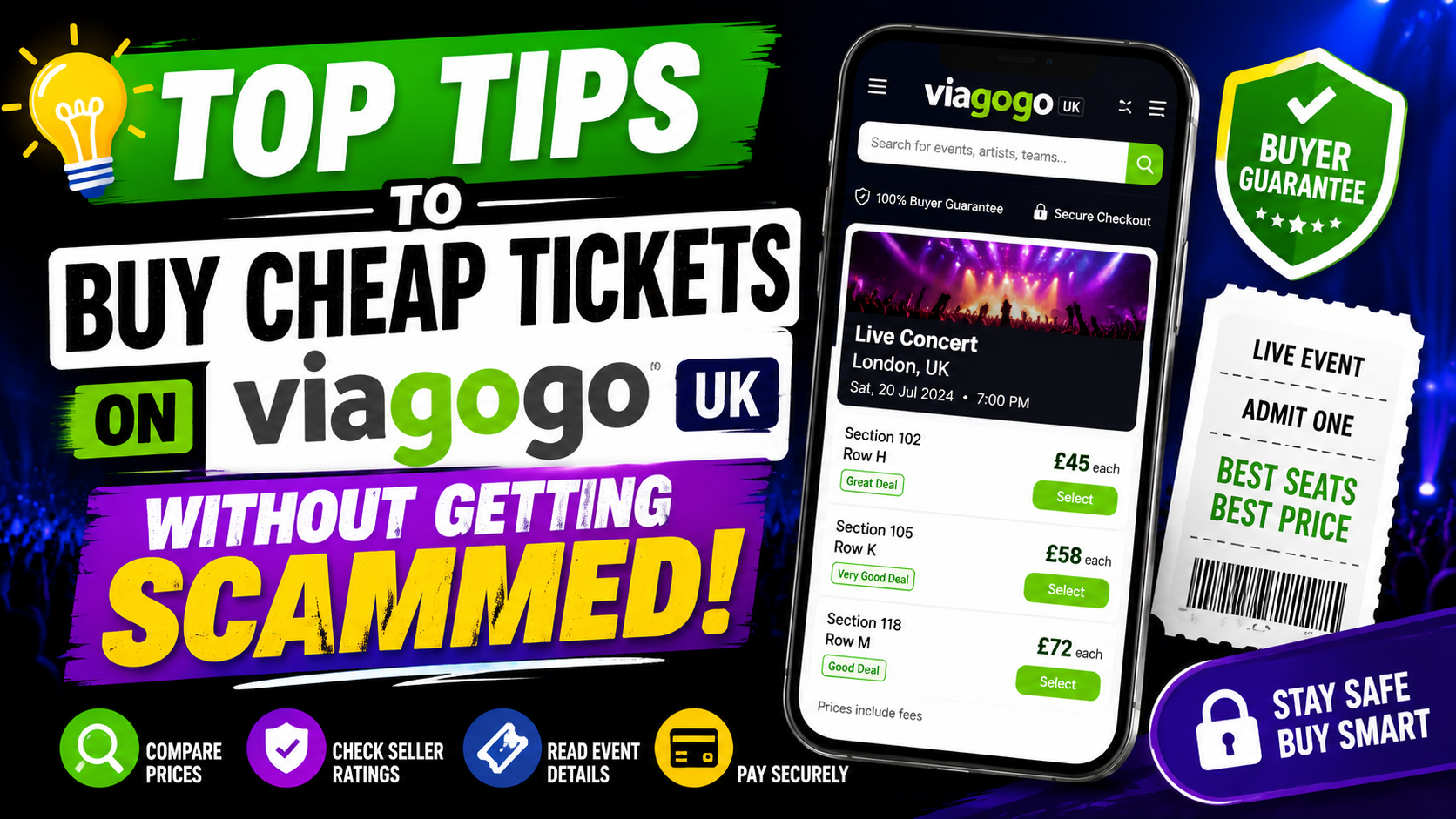
This article provides a complete, practical guide on how to buy cheap tickets on Viagogo UK without falling victim to scams. It explains how the resale marketplace works, why ticket prices fluctuate, and how to identify the best time to purchase for maximum savings. Readers will learn how to evaluate seller credibility, use filters and price alerts effectively, and recognize common warning signs such as unrealistically low prices or incomplete listings. The guide also covers secure payment methods, buyer protection policies, and smart strategies like last-minute deals versus early bookings. Designed in a simple, conversational tone, this post helps both beginners and experienced buyers make informed decisions, save money, and enjoy events with confidence.
Table of Contents
Understanding Viagogo UK Marketplace
What is Viagogo and How It Works
If you’ve ever tried to grab tickets for a sold-out concert or a high-demand football match, chances are you’ve come across Viagogo UK. It’s one of the world’s largest ticket resale platforms, where people buy and sell tickets for events ranging from music concerts to sports matches and theatre shows. Think of it like a marketplace rather than a direct ticket provider—Viagogo itself doesn’t own the tickets; instead, it connects buyers with sellers who already have them.
Here’s where things get interesting. Because it’s a resale platform, ticket prices are not fixed. Sellers set their own prices based on demand, meaning you might find tickets cheaper than face value—or significantly more expensive. It’s basically like airline pricing but with emotions involved. When demand spikes, prices skyrocket. When interest drops or the event date gets closer, prices can fall dramatically.
For buyers, this creates an opportunity—but also a risk. You can snag incredible deals if you know what you’re doing. But if you don’t understand how the system works, you might overpay or, worse, fall into a scam trap. That’s why understanding the platform is your first step to buying cheap tickets safely.
Why Tickets Are Often Cheaper (or More Expensive)
You might be wondering—why are some tickets dirt cheap while others cost double or triple the original price? The answer lies in supply and demand dynamics. When an event is newly announced, excitement is high, and tickets are scarce. Prices spike because sellers know people are willing to pay more.
But as the event date approaches, things shift. Some sellers panic if their tickets aren’t selling, so they lower prices to avoid losing money. This creates a sweet spot where savvy buyers can grab tickets at discounted rates. On the flip side, last-minute hype or celebrity buzz can also push prices up again, especially for major events.
Another factor is seller behavior. Some sellers are professionals looking to profit, while others are just regular people trying to recover their money. The latter often list tickets at lower prices, which is where your best deals usually come from.
Understanding these pricing patterns is like learning the rhythm of the market. Once you get it, you’re no longer just a buyer—you become a smart negotiator navigating a dynamic ecosystem.
Risks of Buying Tickets Online
Common Ticket Scams to Watch Out For
Buying tickets online can feel like navigating a minefield if you’re not careful. Scammers have become increasingly sophisticated, and ticket resale platforms are one of their favorite hunting grounds. One of the most common scams involves fake or duplicated tickets. A seller might upload a legitimate-looking ticket but sell the same barcode to multiple buyers. When you arrive at the venue, only the first person gets in.
Another frequent scam is misleading listings. For example, a seller might list tickets as “front row” when they’re actually in the upper tier. Sometimes the seating details are intentionally vague to trick buyers into paying more than the ticket is worth.
Phishing scams also play a role. You might receive emails that look like they’re from the platform, asking you to confirm payment or provide details. These emails often redirect you to fake websites designed to steal your information.
Understanding these risks doesn’t mean you should avoid buying tickets online altogether—it just means you need to be cautious and informed.
Why Resale Platforms Can Be Tricky
Resale platforms like Viagogo operate differently from official ticket sellers. Since they act as intermediaries, they rely heavily on user-generated listings. This means the quality and reliability of listings can vary significantly.
The tricky part is that everything looks polished on the surface. Listings appear professional, prices are clearly displayed, and the checkout process feels secure. But behind the scenes, you’re dealing with individual sellers, each with different levels of trustworthiness.
Another challenge is limited transparency. Sometimes you won’t see the exact seat number until after purchase, which can make it harder to assess the value of the ticket. Add to that service fees and currency conversions, and the final price might be higher than expected.
This doesn’t mean the platform is unsafe—it just means you need to approach it with a strategy rather than blind trust.
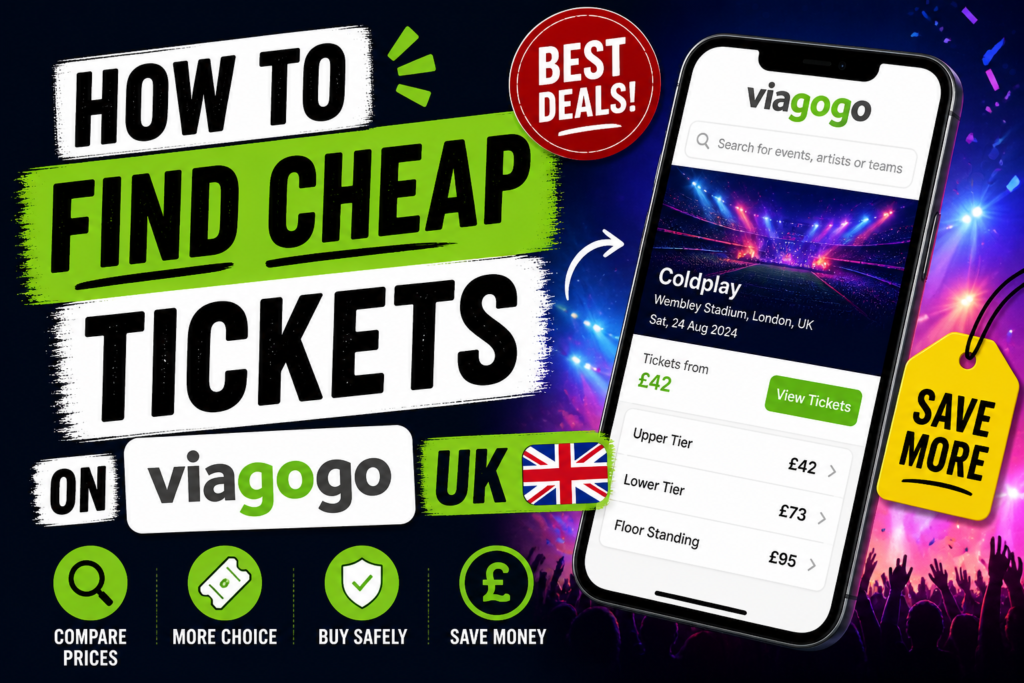
How to Find Cheap Tickets on Viagogo UK
Timing Your Purchase Smartly
Timing is everything when it comes to scoring cheap tickets. If you buy too early, you might end up paying premium prices due to initial hype. If you wait too long, you risk tickets selling out or prices spiking again.
The sweet spot is usually 1–2 weeks before the event. This is when many sellers start lowering prices to ensure their tickets sell. It’s like a clearance sale, but for live events.
However, this strategy requires patience and a bit of courage. You have to resist the urge to buy immediately and trust that prices might drop. Of course, this doesn’t work for every event—major events with global demand may not follow this pattern.
Using Filters and Price Alerts
Viagogo provides several tools that can help you find better deals if you use them wisely. Filters allow you to sort tickets by price, seating area, and delivery type. Always start by sorting from lowest to highest price to identify the cheapest options quickly.
Price alerts are another underrated feature. By tracking a specific event, you can monitor price fluctuations over time. This gives you a better understanding of when prices are dropping and when to make your move.
Comparing Multiple Listings
Never accept the first listing you come across. Compare multiple sellers offering similar seats. Sometimes, the price difference for nearly identical tickets can be significant.
Take a moment to analyze what you’re actually getting. Is the cheaper ticket slightly further away? Does it have restricted views? These small details can make a big difference in your overall experience.
Verifying Ticket Authenticity
Seller Ratings and Reviews
Before clicking that “Buy Now” button, always check the seller’s rating. This is your first line of defense against scams. Sellers with high ratings and positive reviews are generally more reliable.
Look beyond just the rating number. Read a few reviews to understand what other buyers experienced. Did they receive tickets on time? Were the tickets valid? These insights can save you from a bad purchase.
Ticket Guarantee Policies
Viagogo offers a ticket guarantee, which promises that you’ll receive valid tickets or get a replacement/refund. While this provides some level of security, it’s not a free pass to ignore caution.
The guarantee works best when you follow all platform rules and avoid external communication with sellers. Always keep transactions within the platform to ensure you’re covered.
Payment Safety Tips
Secure Payment Methods
Always use secure payment options like credit cards or trusted payment gateways. These methods offer additional protection, such as chargeback options if something goes wrong.
Avoid direct bank transfers or off-platform payments at all costs. These are often used by scammers because they’re difficult to trace and recover.
Avoiding Suspicious Deals
If a deal looks too good to be true, it probably is. Extremely low prices can be a bait used by scammers to lure buyers. Always compare the price with similar listings to ensure it’s realistic.
Red Flags That Signal a Scam
Unrealistically Low Prices
Scammers often use shockingly low prices to grab attention. While everyone loves a bargain, a price that’s significantly below market value should raise suspicion.
Missing Event Details
Incomplete listings with vague descriptions are another warning sign. A legitimate seller will provide clear information about the event, seating, and ticket type.
Comparing Viagogo with Other Platforms
Pros and Cons Table
| Feature | Viagogo UK | Other Platforms |
| Ticket Availability | High | Medium |
| Price Flexibility | High | Medium |
| Risk Level | Medium | Low to Medium |
| Buyer Protection | Yes | Yes |
| Transparency | Moderate | Higher |
Read More:-
How Gorgias Helps Marketing Agencies Manage Ecommerce Customers
How Webnode Makes Website Building Easy for Beginners
checkdomain DE Review 2026: Features, Pricing & Domain Services Explained
INSTAREM GLOBAL Explained: Features, Fees, and Benefits
Corel, Roxio & Pinnacle | Multimedia Software Explained: Features, Pricing & Benefits
Veeam Performance Marketing Program: A Step-by-Step Guide for Marketers
MindManager | Mind Mapping Software: Complete Review & Features Guide
Expert Tips to Save More Money
Last-Minute Deals Strategy
Waiting until the last minute can sometimes unlock incredible deals. Sellers who haven’t sold their tickets often slash prices drastically. It’s a bit like waiting until closing time at a market—vendors would rather sell cheap than not sell at all.
Early Bird vs Late Buying
Both strategies have their pros and cons. Early buying gives you peace of mind and better seat selection, while late buying can save money but comes with uncertainty. The best approach is to monitor prices and decide based on demand trends.
Legal and Refund Considerations
Understanding Buyer Protection
Buyer protection policies are your safety net, but they’re not foolproof. Always read the terms carefully so you know what’s covered and what’s not. This helps you make informed decisions and avoid unpleasant surprises.

Conclusion
Buying cheap tickets on Viagogo UK is absolutely possible—but only if you approach it with the right mindset and strategy. Think of it as navigating a marketplace where knowledge is your biggest advantage. By understanding pricing trends, verifying sellers, and recognizing red flags, you can turn what seems like a risky process into a rewarding experience.
The key is to stay patient, stay alert, and never rush into a deal. When you combine smart timing with careful verification, you not only save money but also ensure a stress-free event experience. After all, the goal isn’t just to buy a ticket—it’s to enjoy the event without any worries lingering in the back of your mind.
FAQs
Q. Is Viagogo UK safe to use?
A. Yes, but only if you follow safety guidelines like checking seller ratings and using secure payment methods.
Q. When is the best time to buy cheap tickets?
A. Usually 1–2 weeks before the event, when prices tend to drop.
Q. Can I get a refund if tickets are invalid?
A. Yes, Viagogo offers a guarantee, but conditions apply.
Q. Why are some tickets cheaper than face value?
A. Because sellers may lower prices to sell quickly, especially close to the event date.
Q. How do I avoid ticket scams?
A. Verify seller reviews, avoid deals that seem too good to be true, and always pay through secure methods.