
Discover how Cotopaxi successfully blends sustainability, style, and functionality in its outdoor gear and apparel. This article explores Cotopaxi’s eco-friendly materials, ethical manufacturing practices, innovative designs, and commitment to social impact, showing why the brand has become a favorite among conscious travelers and outdoor enthusiasts.
Table of Contents
- Understanding the Cotopaxi Brand
- Why Sustainability Matters in Outdoor Gear
- Cotopaxi’s Sustainability Philosophy
- Sustainable Materials at the Core
- Circular Economy Initiatives
- Cotopaxi’s Approach to Ethical Manufacturing
- Style That Stands Out
- Functionality for Everyday Adventures
- Comparing Cotopaxi With Traditional Outdoor Brands
- Environmental and Social Impact Achievements
- The Future of Sustainable Innovation at Cotopaxi
- Conclusion
- FAQs
Understanding the Cotopaxi Brand
The Story Behind Cotopaxi
Cotopaxi was founded in 2014 by entrepreneur Davis Smith, who named the company after the famous volcano in Ecuador. Inspired by his experiences living in Latin America and witnessing poverty firsthand, Smith envisioned a company that would sell high-quality outdoor gear while contributing meaningfully to social causes. Unlike many startups that focus exclusively on profitability, Cotopaxi incorporated social impact into its business structure from the beginning. The company was able to quickly build a reputation with consumers who wanted to make a positive impact with their buying choices.
The company’s growth has been remarkable. Over the years, Cotopaxi expanded from a niche outdoor gear manufacturer into a globally recognized lifestyle and adventure brand. Its distinctive designs, mission-driven messaging, and commitment to sustainability have attracted a loyal customer base. What differentiates Cotopaxi from many of its competitors is its capacity to blend adventure and purpose. Customers are not simply buying a backpack or jacket; they are participating in a broader movement focused on environmental stewardship and poverty reduction. This emotional connection has become one of the strongest drivers behind the brand’s success.
A Mission Beyond Profit
Many brands claim to care about sustainability, but Cotopaxi backs its mission with measurable actions. The company donates at least 1% of its annual revenue to the Cotopaxi Foundation, which supports organizations that work to improve education, healthcare and economic opportunities in underserved communities. The most recent impact reports show that Cotopaxi’s charitable work has reached millions of people living in poverty worldwide.
This commitment demonstrates a broader philosophy: business success should create benefits for society rather than simply generating shareholder returns. By embedding social impact into its operating model, Cotopaxi has created a framework where growth and positive change can happen simultaneously. This approach resonates strongly with younger consumers who increasingly evaluate brands based on their values as much as their products.
Why Sustainability Matters in Outdoor Gear
The Environmental Challenges of the Industry
The apparel and outdoor gear industries have long faced criticism for their environmental impact. Manufacturing synthetic fabrics, consuming large amounts of water, generating textile waste, and producing greenhouse gas emissions contribute significantly to global environmental challenges. Outdoor brands, in particular, face an interesting contradiction. They rely on healthy natural environments to inspire customers while often contributing to environmental degradation through production processes.

Cotopaxi recognizes this challenge and has taken proactive steps to reduce its environmental footprint. Rather than treating sustainability as a side initiative, the company incorporates it into product development, sourcing decisions, packaging strategies, and supply chain management. This holistic approach helps address some of the industry’s most pressing issues while setting an example for competitors. Cotopaxi’s commitment to recycled materials, deadstock fabrics, circular economy principles, and science-based climate targets show that environmental responsibility and commercial success can be mutually reinforcing.
Cotopaxi’s Sustainability Philosophy
Built Around the “Gear for Good” Promise
At the heart of Cotopaxi’s strategy is its “Gear for Good” philosophy. This promise reflects the company’s belief that products should deliver benefits beyond their immediate function. Every decision, from material selection to manufacturing partnerships, is evaluated through the lens of environmental and social impact.
The company’s impact reports demonstrate a long-term commitment to reducing emissions, increasing transparency and improving circularity. Cotopaxi has committed to ambitious climate goals, including net-zero objectives and science-based emissions reduction targets. It also publishes reports on its sustainability progress, so consumers can see how it is doing, rather than just taking its marketing claims at face value. Transparency of this kind remains relatively rare in the apparel industry and strengthens consumer trust.
Commitment to Responsible Business Practices
Another key indicator of Cotopaxi’s commitment to responsible business is its certification as a B Corporation. B Corp certification requires companies to meet rigorous standards related to social performance, environmental responsibility, transparency, and accountability. Getting certified is not a one-time event , it is an procedure for evaluation .
This external verification helps distinguish Cotopaxi from companies that make sustainability claims without independent oversight. Consumers increasingly seek proof that brands are genuinely committed to ethical practices, and B Corp certification provides a credible framework for accountability.
Sustainable Materials at the Core
Recycled Materials and Certified Fabrics
One of the most important ways Cotopaxi reduces environmental impact is through material selection. The company has achieved a significant milestone by ensuring that all principal fabrics are recycled, repurposed, or certified by recognized sustainability standards. This achievement reflects years of investment in sourcing strategies and supplier partnerships.
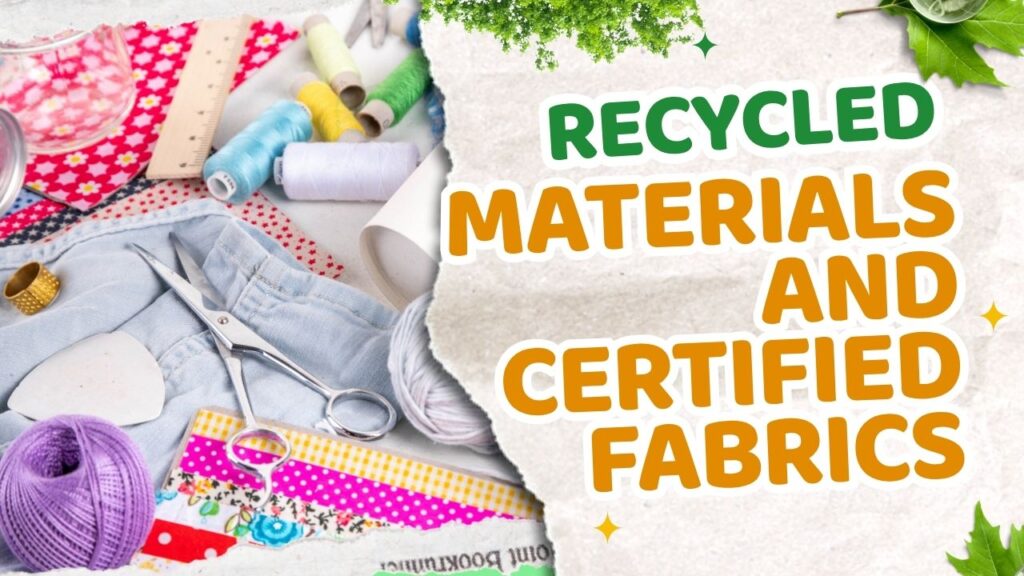
Using recycled materials helps reduce demand for virgin resources while lowering energy consumption and waste generation. Certified fabrics add another layer of accountability by ensuring that environmental and social standards are met throughout production. Rather than relying on a single sustainability solution, Cotopaxi combines multiple approaches to create a more responsible materials ecosystem.
The Power of Deadstock Fabric
Perhaps the most distinctive aspect of Cotopaxi’s sustainability strategy is its use of deadstock fabric. Deadstock refers to surplus materials that would otherwise be discarded, incinerated, or sent to landfills. Cotopaxi transforms these leftover materials into unique products, particularly within its famous Del Día collection.
Recent reports show that the company continues to expand its use of deadstock materials, diverting hundreds of thousands of yards of fabric from waste streams. This strategy not only reduces environmental impact but also creates one-of-a-kind products with distinctive color combinations. Every Del Día item is unique, turning sustainability into a design advantage rather than a limitation. This approach demonstrates how creativity can transform environmental challenges into opportunities for innovation.
Circular Economy Initiatives
Repair and Warranty Programs
A truly sustainable product should last as long as possible. Cotopaxi recognizes that extending product life is often more environmentally beneficial than producing new items. Through its Guaranteed for Good program, the company offers repairs and warranties that encourage customers to keep products in use rather than replacing them prematurely.
Recent impact data shows that nearly half of eligible items were repaired instead of replaced, reducing waste and conserving resources. This focus on durability and repairability aligns with circular economy principles, where products are maintained, reused, and repaired whenever possible.
Resale and Trade-In Opportunities
Cotopaxi has also invested heavily in resale initiatives. Programs such as Más Vida and partnerships with resale platforms allow customers to buy and sell pre-owned products. These initiatives extend product lifecycles while making sustainable gear accessible to a broader audience.
According to company reports, resale programs have helped reduce waste and emissions while supporting a culture of reuse. Rather than encouraging endless consumption, Cotopaxi actively promotes product recirculation, demonstrating a commitment to sustainability beyond initial product sales.
Latest Post




Cotopaxi’s Approach to Ethical Manufacturing
Supply Chain Transparency
Transparency is a critical component of sustainability. Cotopaxi publicly shares detailed information about its manufacturing partners and supplier performance. Industry observers have noted that the company provides unusually extensive supply chain disclosures, including environmental data and sustainability metrics.
This openness helps consumers make informed purchasing decisions while encouraging accountability throughout the supply chain. It also allows stakeholders to evaluate progress and identify areas where improvements are needed.
Fair Trade and Worker Support
Cotopaxi collaborates with Fair Trade-certified factories and invests in worker well-being through direct support programs. Recent reports indicate that the company has directed substantial financial resources toward factory workers and continues to prioritize ethical labor practices. These efforts reflect the belief that sustainability must include social responsibility as well as environmental protection.
Style That Stands Out
The Iconic Del Día Collection
Many consumers associate sustainable products with muted colors and minimalist aesthetics. Cotopaxi challenges this stereotype through its vibrant Del Día collection. Each bag and jacket features unique color combinations created from available deadstock materials, resulting in products that are both sustainable and visually striking.
This distinctive design approach has become one of the company’s strongest competitive advantages. Rather than hiding sustainability behind technical specifications, Cotopaxi makes it visible through bold, colorful products that immediately capture attention. The result is a collection that feels exciting, personal, and expressive.
Colorful Designs With Purpose
The colorful aesthetic is not merely decorative. It serves as a visual reminder that sustainability can be creative and joyful. Consumers often view environmentally responsible products as compromises, but Cotopaxi demonstrates that sustainable design can be equally appealing—if not more so—than conventional alternatives.
This fusion of environmental responsibility and creative expression has helped Cotopaxi build a strong brand identity. The company’s products stand out in crowded retail environments while reinforcing its sustainability mission.
Functionality for Everyday Adventures

Durable Outdoor Performance
Sustainability means little if products fail to perform. Cotopaxi understands that outdoor enthusiasts demand reliability, durability, and practical features. Its backpacks, jackets, travel bags, and apparel are designed to withstand real-world use while maintaining comfort and functionality.
Durable construction extends product life, reducing the need for replacements and lowering overall environmental impact. This connection between quality and sustainability highlights an important principle: the most sustainable product is often the one that lasts the longest.
Travel-Friendly Features
Cotopaxi products are particularly popular among travelers because they combine lightweight construction with thoughtful organization features. Many bags include compartments for electronics, water bottles, travel documents, and outdoor gear. These practical details enhance usability without sacrificing aesthetics.
The company’s ability to balance performance and style demonstrates that sustainable products do not need to compromise on convenience. Whether customers are commuting to work, exploring cities, or embarking on international adventures, Cotopaxi gear is designed to meet a wide range of needs.
Read More:-
Delonghi US Review: Performance, Design & Value Explained
BeachComber Hotels & Resorts vs Other Luxury Resorts: Which is Better?
Why Senator Hotels & Resorts (NL, CH, PE, PL, BE, CO, PT) Are Popular Among Travelers
How OpticsPlanet, Inc Became a Trusted Name in Optical and Outdoor Gear
Bambu Lab Review 2026: Features, Performance, and Value for 3D Printing Enthusiasts
Comparing Cotopaxi With Traditional Outdoor Brands
| Feature | Cotopaxi | Traditional Outdoor Brands |
| Sustainability Focus | Core business strategy | Often secondary initiative |
| Deadstock Material Usage | Extensive | Limited |
| Circular Programs | Repair, resale, trade-in | Varies by brand |
| Design Style | Bright and unique | Often conservative |
| Social Impact Giving | 1%+ revenue commitment | Less common |
| Supply Chain Transparency | High | Moderate |
This comparison highlights why Cotopaxi has become a leader in responsible outdoor gear. Rather than treating sustainability as a marketing feature, the company integrates it into every aspect of its business model.
Environmental and Social Impact Achievements
Cotopaxi’s impact reports reveal substantial progress across multiple areas. The company has reached millions of people through poverty-focused initiatives, committed over 1% of annual revenue to philanthropic efforts, expanded repair and resale programs, and achieved major sustainable materials milestones. Recent reports also indicate that all principal fabrics now meet recycled, repurposed, or certified standards.
Some notable achievements include:
| Achievement | Recent Impact |
| People Reached Through Foundation Programs | More than 4.4 million people |
| Revenue Dedicated to Giving | At least 1% annually |
| Sustainable Material Goal | Achieved across principal fabrics |
| Repair Program Expansion | 49% of eligible products repaired |
| Deadstock Diversion | Hundreds of thousands of yards saved from waste |
These accomplishments illustrate how Cotopaxi translates its mission into measurable outcomes.
The Future of Sustainable Innovation at Cotopaxi
Looking ahead, Cotopaxi continues to raise the bar for sustainable innovation. The company has introduced a long-term sustainability roadmap focused on circularity, material innovation, transparency, and responsible manufacturing. Future goals include expanding circular product design, increasing deadstock utilization, exploring biodegradable product concepts, and advancing science-based climate initiatives.
The outdoor industry faces increasing pressure to reduce environmental impact while maintaining product performance. Cotopaxi’s approach suggests that these objectives are not mutually exclusive. By treating sustainability as a source of innovation rather than a constraint, the company continues to develop products that resonate with environmentally conscious consumers.
Conclusion
Cotopaxi has successfully demonstrated that sustainability, style, and functionality can work together to create products that consumers genuinely love. Through its use of recycled and deadstock materials, commitment to ethical manufacturing, investment in circular economy initiatives, and dedication to social impact, the company has established itself as a leader in responsible outdoor gear.
What makes Cotopaxi particularly compelling is its refusal to treat sustainability as a compromise. Instead, the brand transforms environmental responsibility into a source of creativity, innovation, and differentiation. Its colorful designs, durable products, and measurable impact prove that businesses can achieve commercial success while contributing positively to society and the planet. As consumer expectations continue to evolve, Cotopaxi offers a powerful blueprint for the future of sustainable business.
FAQs
Q. What makes Cotopaxi sustainable?
A. Cotopaxi uses recycled, repurposed, and certified materials, promotes repair and resale programs, and follows science-based sustainability goals to reduce environmental impact.
Q. What is the Del Día collection?
A. The Del Día collection uses deadstock fabric that would otherwise go to waste, creating unique products with one-of-a-kind color combinations.
Q. Is Cotopaxi a B Corporation?
A. Yes, Cotopaxi is a certified B Corporation and a Public Benefit Corporation committed to high standards of social and environmental performance.
Q. Does Cotopaxi support charitable causes?
A. Yes. The company dedicates at least 1% of annual revenue to the Cotopaxi Foundation, supporting poverty alleviation programs worldwide.
Q. Why are Cotopaxi products so colorful?
A. The brand’s signature colorful designs often result from using available deadstock materials, making each product unique while reducing textile waste.