Discover whether Delonghi US espresso machines truly live up to the hype in this in-depth review covering performance, design, features, and overall value. From sleek Italian styling to advanced brewing technology, this guide explores how Delonghi US compares with competitors and whether it’s the right choice for your home coffee setup.
Understanding the DeLonghi Brand
The History Behind DeLonghi
DeLonghi is an Italian appliance manufacturer that has spent decades building a reputation around premium home appliances, especially coffee machines. While the brand produces various kitchen and home products, espresso machines remain its crown jewel. What makes DeLonghi stand out is its ability to blend elegant Italian design with practical functionality. Instead of creating intimidating machines that only professional baristas understand, DeLonghi focuses heavily on accessibility. That approach helped the company dominate both entry-level and mid-range espresso markets.
In recent years, the brand has pushed aggressively into smart coffee technology. Machines like the Rivelia, Magnifica Evo, and La Specialista series have gained attention for combining automation with customizable brewing. According to Forbes, the DeLonghi Rivelia became one of the most impressive espresso machines of 2026 thanks to its slim design, quality espresso extraction, and easy-to-use interface. That kind of industry recognition matters because it shows the brand is evolving instead of relying on past reputation.
What’s especially interesting is how DeLonghi adapted to the rise of home café culture in America. During the past few years, many consumers stopped visiting coffee shops daily and started investing in premium home setups instead. DeLonghi recognized this shift early and created products that deliver café-quality beverages without requiring professional training. Think of it like giving someone a luxury sports car with automatic driving assistance—you still get performance, but without the stress of mastering every detail manually.
Why DeLonghi Became Popular in the US
The American coffee market has changed dramatically. Consumers now care about espresso quality, milk texture, cold brew functionality, and customization. DeLonghi positioned itself perfectly for this evolution. Instead of targeting only hardcore coffee geeks, the company built machines for everyday households. That broader appeal allowed it to become a mainstream premium brand across the United States.

One major reason for its popularity is convenience. DeLonghi machines simplify complicated espresso processes into intuitive workflows. Fully automatic systems allow users to prepare cappuccinos, lattes, and espresso drinks with one touch. Even semi-automatic machines are designed to reduce the learning curve. For busy Americans juggling work and home responsibilities, convenience matters just as much as flavor quality.
Another factor is aesthetics. Modern kitchens are becoming lifestyle spaces rather than purely functional rooms. DeLonghi machines fit beautifully into that trend with stainless steel finishes, slim footprints, and modern controls. Some recent models even introduced stylish color palettes inspired by Italian gelato tones. It may sound superficial, but buyers absolutely care about how appliances look on their countertops.
Finally, DeLonghi offers products across multiple price ranges. Entry-level machines attract beginners, while premium models target enthusiasts seeking advanced brewing control. That wide product ecosystem keeps customers loyal as they upgrade over time.
DeLonghi Product Categories
Fully Automatic Espresso Machines
Fully automatic espresso machines are where DeLonghi truly shines. These machines are designed for users who want café-quality beverages without the effort of manual brewing. Models like the Magnifica Evo, Dinamica, and Rivelia automate grinding, dosing, brewing, and milk frothing. You simply select your drink, press a button, and wait a few moments.
This category has exploded in popularity because consumers increasingly value convenience. Reports show that home coffee machine demand continues rising rapidly as more households seek premium brewing experiences at home. DeLonghi capitalized on this demand by creating machines that balance automation with customization. Users can still adjust coffee strength, temperature, and milk texture without becoming espresso experts.
The standout feature in newer models is Bean Adapt Technology, which automatically adjusts brewing settings based on the type of beans being used. That sounds futuristic because it genuinely is. Different beans require different grind sizes and extraction settings to taste their best. DeLonghi’s technology handles those adjustments automatically, improving consistency for beginners who might otherwise struggle with dialing in espresso manually.
These machines are particularly valuable for families or offices where multiple people prefer different drinks. One person can brew a strong espresso while another prepares a creamy latte without constant recalibration. That flexibility adds major real-world value.
Manual and Semi-Automatic Machines
Not everyone wants full automation. Some coffee enthusiasts enjoy the ritual of making espresso manually. DeLonghi addresses that audience through machines like the Dedica Duo and La Specialista Arte Evo. These models offer greater user control while still maintaining beginner-friendly features.
Semi-automatic machines are often compared to musical instruments. Fully automatic machines are like pressing play on Spotify, while semi-automatic systems feel more like learning guitar. There’s skill involved, but the experience becomes rewarding over time. DeLonghi wisely keeps this category approachable by including built-in grinders, guided tamping systems, and clear controls.
The La Specialista Arte Evo has been praised as one of the best-value entry-level espresso machines because it combines professional-style features with manageable usability. Users get more control over extraction quality and milk steaming without feeling overwhelmed.
Compactness also matters here. Many American kitchens lack massive countertop space, especially apartments and condos. Machines like the Dedica Duo are intentionally narrow and space-efficient while still delivering surprisingly solid espresso quality.
Specialty Coffee and Cold Brew Options
Coffee preferences are diversifying rapidly. Espresso is still king, but cold brew, iced lattes, and specialty drinks continue growing in popularity. DeLonghi recognized this trend early and integrated cold extraction systems into several newer models.
The Dedica Duo, for example, includes a cold extraction mode capable of producing smooth cold coffee much faster than traditional overnight brewing methods. That feature appeals heavily to younger consumers who prioritize iced beverages year-round.
Premium models like the Eletta Ultra take that a step further with over 50 drink options, including espresso tonic recipes and advanced customization. This is important because buyers want more and more versatility from expensive appliances. Spending over $1,000 on a machine feels more justified when it replaces multiple café experiences.
DeLonghi’s ability to adapt to beverage trends gives it an advantage over slower-moving competitors. Instead of treating coffee as a static category, the company treats it like an evolving lifestyle experience.
Design and Build Quality
Italian-Inspired Aesthetic Appeal
One thing becomes immediately obvious when you see a DeLonghi machine in person: these products are designed to be noticed. Italian aesthetics influence almost every aspect of the brand’s visual identity. Clean lines, polished metal finishes, intuitive layouts, and modern silhouettes help these machines look premium even before brewing begins.
Consumers often underestimate how important appliance design becomes in daily life. A coffee machine sits visibly on your kitchen counter every single day. If it looks clunky or cheap, it affects the overall atmosphere of your kitchen. DeLonghi understands this emotional connection and uses design as a selling point rather than an afterthought.
Recent models push aesthetics even further with softer color palettes and modern touch interfaces. Some machines almost resemble luxury smart-home devices more than traditional kitchen appliances. That premium appearance helps justify higher pricing.
The tactile experience also matters. Buttons feel responsive, water tanks slide smoothly, and drip trays feel solid rather than flimsy. These details may seem small individually, but together they create a strong perception of quality.
Compact Design for Modern Kitchens
Many premium espresso machines are enormous. Some practically dominate entire countertops. DeLonghi takes a different approach by focusing heavily on compact engineering. Machines like the Dedica series are impressively slim while still maintaining functionality.
This design philosophy makes tremendous sense for urban households. Americans increasingly live in apartments, condos, and smaller homes where kitchen space is valuable. DeLonghi’s compact models fit naturally into those environments without sacrificing style.
The Rivelia series especially demonstrates how modern engineering can reduce machine size without reducing capability. Forbes praised its slim design and modular usability, highlighting how approachable it feels compared to bulkier competitors.
Compactness also improves usability. Smaller machines feel less intimidating and easier to maintain. Instead of resembling industrial café equipment, DeLonghi products feel designed for real homes.
Performance Review
Espresso Extraction Quality
Performance ultimately determines whether an espresso machine succeeds or fails. Fortunately, DeLonghi performs extremely well in this category. Espresso extraction across most modern DeLonghi machines is balanced, flavorful, and impressively consistent.
Machines with integrated grinders produce particularly strong results because fresh grinding significantly improves espresso flavor. Bean freshness directly impacts crema quality, aroma, and extraction balance. DeLonghi’s grinders generally maintain stable grind consistency, which helps reduce bitter or under-extracted shots.
The newer Bean Adapt system improves performance even further by automatically optimizing brewing parameters based on bean characteristics. This reduces guesswork and helps casual users achieve professional-quality espresso more consistently.
Of course, perfection still depends partly on bean quality. Even the best machine cannot transform poor beans into amazing espresso. But with quality beans, DeLonghi machines regularly produce café-level results that surprise first-time owners.
Milk Frothing and Latte Performance
Milk texture separates mediocre coffee machines from truly great ones. A machine might brew decent espresso, but poor milk frothing ruins cappuccinos and lattes instantly.
DeLonghi performs especially well here. Recent reviews consistently praise the brand’s milk systems for producing creamy microfoam suitable for café-style beverages. Fully automatic LatteCrema systems are especially effective for beginners because they automate milk texturing without requiring barista skills.
Semi-automatic steam wands also perform surprisingly well considering their price ranges. The La Specialista Arte Evo, for example, has been praised for creating high-quality milk foam despite targeting entry-level buyers.
There are still limitations. Professional baristas may prefer commercial-grade steam power or greater wand flexibility. But for most home users, DeLonghi offers more than enough capability to create impressive milk drinks daily.
Temperature and Brewing Consistency
Consistency matters enormously in espresso brewing. One great shot means nothing if the next five taste completely different. Thankfully, DeLonghi machines maintain solid brewing stability overall.
Higher-end machines especially excel at temperature control and repeatability. Smart sensors, automatic adjustments and modern thermal block systems help to maintain stable brewing conditions. That stability reduces frustration for beginners and ensures more predictable results.
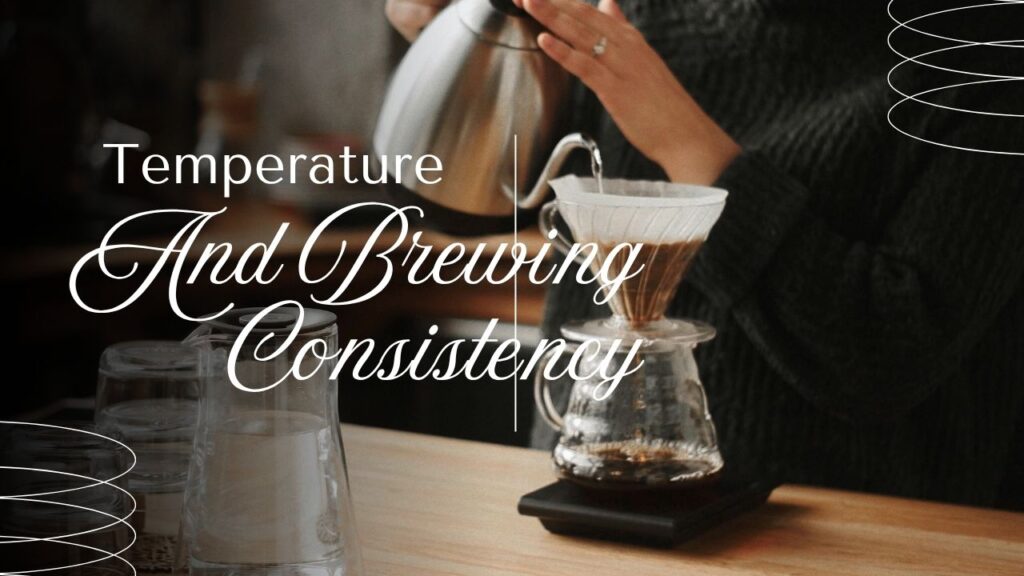
Some entry-level models still experience minor temperature inconsistencies, especially during rapid back-to-back brewing. But relative to their pricing, performance remains highly competitive.
Noise can also affect perceived quality. Older DeLonghi grinders were occasionally criticized for loud operation, but newer models reportedly reduce operational noise significantly. That improvement enhances overall user experience.
Smart Features and Technology
Bean Adapt Technology
One of DeLonghi’s most innovative developments is Bean Adapt Technology. Instead of forcing users to manually adjust settings for every coffee bean type, the machine intelligently optimizes brewing parameters automatically.
This technology matters because coffee beans vary enormously. Roast level, density, origin, and freshness all affect extraction behavior. Beginners often struggle to understand grind size adjustments, brew temperatures, and extraction timing. Bean Adapt simplifies that complexity dramatically.
The system essentially acts like a smart assistant for espresso brewing. You still control preferences, but the machine handles technical fine-tuning in the background. That creates better consistency while reducing learning frustration.
For many consumers, this technology alone justifies the premium pricing because it delivers professional-style optimization without requiring extensive coffee knowledge.
Latest Post




Touchscreen and Custom Drink Profiles
Modern consumers expect personalization from technology products, and DeLonghi embraces this trend aggressively. Premium models now include touchscreens, drink libraries, user profiles, and behavioral learning systems.
The Eletta Ultra, for instance, organizes drinks into categories and even recommends beverages based on user habits and time of day. That level of customization feels remarkably futuristic for a coffee machine.
Multiple household members can save unique drink preferences, including milk texture, coffee strength, and temperature. Users never have to change settings all the time, they just select their saved profile.
These smart features make daily use more enjoyable and help justify the investment. Buyers increasingly want appliances that feel intelligent and adaptive rather than purely mechanical.
Ease of Use and Maintenance
Beginner-Friendly Features
DeLonghi excels at making espresso approachable. That may sound simple, but it’s actually one of the brand’s greatest strengths. Many competing machines overwhelm users with technical complexity. DeLonghi simplifies workflows without sacrificing beverage quality.
Touch interfaces are intuitive, controls are clearly labeled, and guided systems reduce mistakes. Even partially automated machines provide useful support when grinding and tamping.
This accessibility expands the brand’s audience dramatically. Someone with zero barista experience can still produce quality drinks quickly.
Cleaning and Descaling Experience
Maintenance is one of the least glamorous parts of owning an espresso machine, but it strongly impacts long-term satisfaction. Fortunately, DeLonghi generally designs machines with maintenance convenience in mind.
Automatic rinse cycles, removable brewing units, and dishwasher-safe milk components simplify cleaning. Descaling reminders also help users maintain machine performance over time.
Milk systems still require regular attention because dairy residue builds quickly. Some reviewers mention that cleaning advanced milk systems can be a tedious process at times. Still, compared to many competitors, DeLonghi maintenance remains relatively manageable.
Comparing DeLonghi With Competitors
DeLonghi vs Breville
Breville and DeLonghi dominate many discussions around home espresso machines. Breville often appeals more to enthusiasts who enjoy manual control and experimentation. DeLonghi leans harder into convenience and automation.
Breville machines sometimes offer more advanced extraction precision, but DeLonghi typically wins in ease of use and maintenance. For casual users, DeLonghi often feels more approachable.
Design preference also matters. Breville machines look industrial and professional, while DeLonghi emphasizes softer Italian-inspired aesthetics.
DeLonghi vs Philips
Philips competes heavily in the fully automatic category. Both brands prioritize convenience, but DeLonghi usually offers stronger milk systems and more stylish designs.
Philips machines are often simpler operationally, while DeLonghi provides richer customization options and stronger espresso flavor profiles.
The brands are competitive on price, although the higher-end models from DeLonghi can be substantially more expensive.
Pricing and Value for Money

Budget-Friendly Models
One of DeLonghi’s biggest strengths is offering quality across multiple price tiers. Entry-level machines deliver surprisingly capable espresso performance without requiring luxury-level spending.
Machines like the Dedica Duo and ECP series give beginners affordable access to espresso culture. Despite lower prices, these products still maintain strong aesthetics and respectable brewing capability.
That value proposition explains why DeLonghi remains so popular among first-time espresso buyers.
Premium Models Worth the Investment
Premium DeLonghi machines become expensive quickly, but they also deliver substantial functionality upgrades. High tech automation, two bean systems, smart interfaces, cold brew ability and premium milk systems significantly improve user experience.
The Rivelia and Eletta Ultra especially demonstrate how far home coffee technology has evolved. More like individual beverage systems than gadgets, these machines are
For heavy coffee drinkers who frequently buy café beverages, the investment can absolutely make financial sense over time.
Read More:-
How Oasis Hotels (US) Deliver a Premium Vacation Experience
Travel Smart with Movich Hotels (US): Comfort Meets Elegance
Safi Hotel (US) vs Other Luxury Hotels: Which Offers Better Value?
Top Reasons to Stay at Casa Andina (LATAM & USA) for Your Next Vacation
How Ensana Hotels (EU & USA) Redefine Modern Spa and Wellness Tourism
Pros and Cons of DeLonghi US
| Pros | Cons |
| Stylish Italian design | Premium models are expensive |
| Excellent milk frothing systems | Some machines can be noisy |
| Beginner-friendly operation | Cleaning milk systems takes effort |
| Wide product selection | Advanced customization may overwhelm beginners |
| Strong espresso consistency | Entry-level models lack pro-level precision |
| Smart brewing technologies | Some accessories feel lightweight |
Final Verdict on DeLonghi US
DeLonghi has earned its reputation in the American coffee market for good reason. The company successfully combines elegant design, approachable technology, strong espresso quality, and modern convenience into products that genuinely improve daily coffee experiences.
Not every machine is perfect. Serious espresso purists may still prefer ultra-manual systems with commercial-grade precision. For most home users, DeLonghi manages to strike an impressive balance of performance and usability.
The brand’s biggest strength is accessibility. DeLonghi makes premium coffee feel achievable for ordinary households rather than exclusive to trained baristas. Whether you want a compact beginner machine or a luxury smart espresso center, the brand offers compelling options across nearly every price category.
If your goal is to enjoy café-style coffee at home without constant frustration, DeLonghi remains one of the safest and smartest investments in 2026.
FAQs
Q. Are DeLonghi espresso machines good for beginners?
A. Yes, DeLonghi machines are widely considered beginner-friendly because they simplify brewing processes with intuitive controls, automation, and guided features.
Q. Which is the best DeLonghi machine for home use?
A. It relies on what you are seeking for and what you have to allocate. The Magnifica Evo is excellent for convenience, while the La Specialista Arte Evo suits users wanting more manual control.
Q. How long do DeLonghi espresso machines last?
A. With proper maintenance and regular descaling, many DeLonghi machines can last between 5 to 10 years or longer.
Q. Does DeLonghi make real espresso?
A. Yes, DeLonghi machines use pressure-based extraction systems capable of producing authentic espresso with crema.
Q. Is DeLonghi better than Breville?
A. It depends on user preference. DeLonghi focuses more on convenience and automation, while Breville often appeals to advanced users seeking manual control.