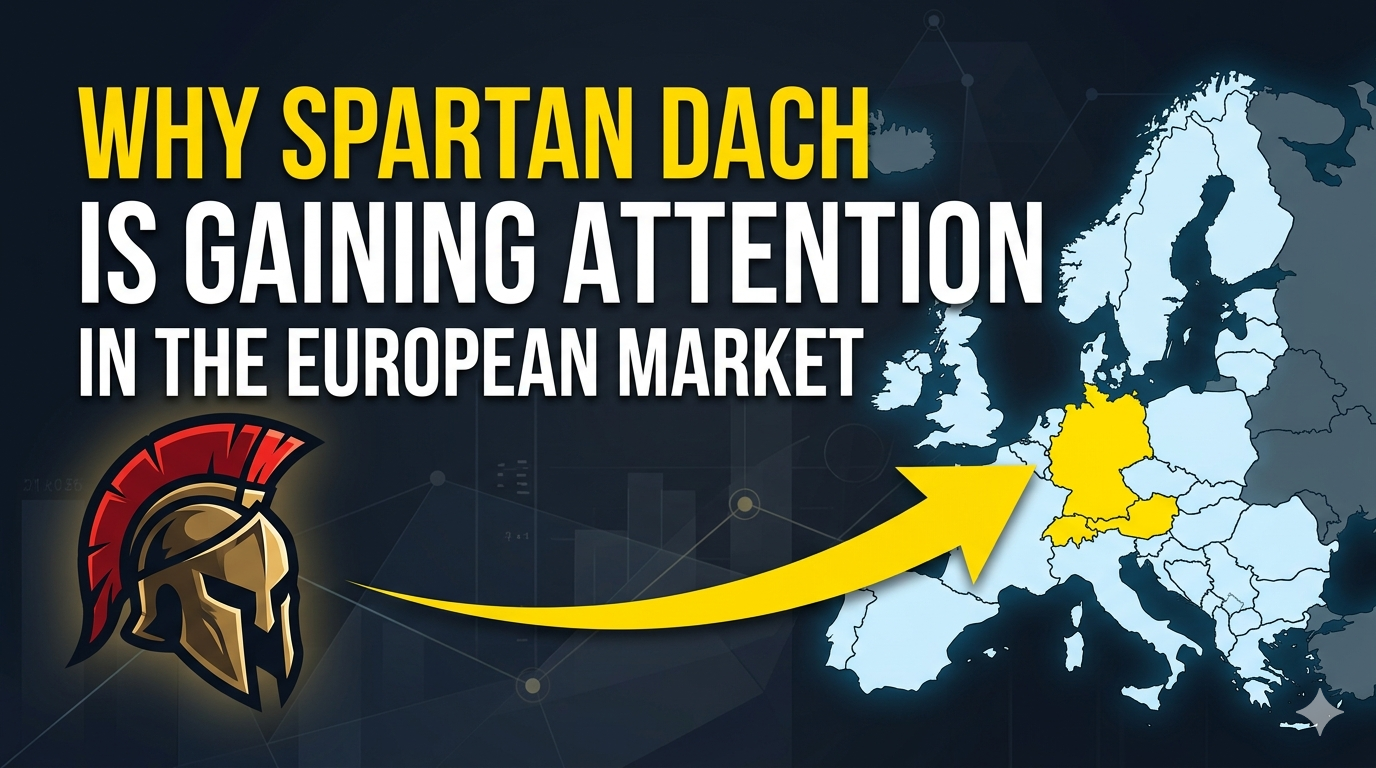
Discover why Spartan DACH is gaining attention in the European market. Learn how AI-driven innovation, digital transformation, operational intelligence, and scalable business solutions are helping Spartan DACH stand out across Germany, Austria, and Switzerland.
Table of Contents
Understanding the DACH Market
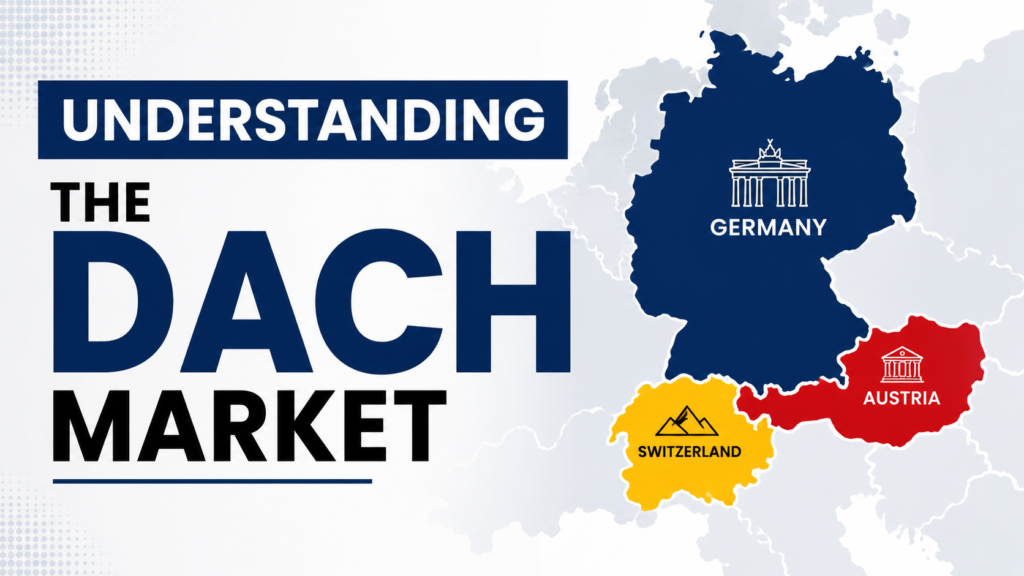
Why Germany, Austria, and Switzerland Matter
The DACH region has long been viewed as the industrial heartbeat of Europe. Germany alone is Europe’s largest economy, while Switzerland is globally respected for innovation and financial strength. Austria, meanwhile, acts as a strategic gateway connecting Western and Eastern European markets. Together, these countries create a highly sophisticated economic zone filled with advanced manufacturing companies, technology startups, financial institutions, logistics providers, and enterprise-focused organizations.
Businesses entering the DACH region quickly realize that this market values quality over hype. Consumers and enterprises alike demand reliability, efficiency, compliance, and innovation. That combination creates a difficult environment for weak companies but a rewarding one for businesses with real value propositions. This is one reason why firms like Spartan DACH are attracting growing interest. The region rewards companies capable of combining technology with operational excellence.
Another reason the DACH region matters is its influence on European digital transformation. Companies here are aggressively investing in automation, AI, analytics, cybersecurity, and sustainability initiatives. Reports covering DACH startup trends show increasing investment activity in enterprise technology, deep tech, AI systems, and industrial innovation.
The Rise of Innovation-Driven Companies
European businesses are no longer competing only on price or production capacity. Innovation has become the new battlefield. Companies that can improve decision-making, optimize operations, and reduce inefficiencies are gaining a serious advantage. That shift is helping technology-oriented businesses receive more visibility and investment attention.
Innovation-driven firms are especially important in Europe because many industries still rely on complex legacy systems. Manufacturers, commodity traders, logistics firms, and enterprise organizations need better data management and smarter operational tools. Spartan’s rising attention appears linked to this broader demand for intelligent business systems and AI-driven operational support.
One interesting trend in Europe is the movement away from isolated spreadsheets and fragmented workflows toward centralized, real-time intelligence platforms. Businesses want actionable insights delivered instantly rather than manually processed reports arriving days later. That’s a huge opportunity for companies building intelligent operational ecosystems.
In many ways, Spartan DACH fits perfectly into this transition period. Europe’s industrial ecosystem is modernizing rapidly, and companies capable of supporting that modernization naturally attract market attention.
What Is Spartan DACH?
The Company’s Growing Presence
Although Spartan DACH is still emerging in broader public discussions, its growing visibility within European business and technology conversations is hard to ignore. The company appears increasingly associated with modern operational intelligence, digital transformation, and AI-powered business ecosystems designed for enterprise-level efficiency.
A major reason for this growing visibility is the wider European focus on scalable technology solutions. Businesses are under pressure to reduce operational waste, improve forecasting, manage complex data environments, and respond faster to market changes. Spartan DACH’s positioning within these trends gives it strategic relevance.
European investors are also paying close attention to companies offering practical AI solutions rather than purely experimental technologies. A recent report about Sparta’s funding growth highlighted how the company secured substantial investment to expand its AI-powered intelligence capabilities. Investors increasingly favor platforms that combine live data, collaboration tools, predictive intelligence, and operational visibility.
This growing interest reflects a broader truth about Europe’s business climate: enterprises want solutions that deliver measurable productivity improvements. Companies able to provide that are naturally gaining traction.
Key Areas of Focus
Spartan DACH appears to focus heavily on operational intelligence, data-driven decision-making, and AI-enhanced workflows. These areas are becoming essential across multiple European industries, particularly in sectors where speed, precision, and forecasting accuracy matter.
Businesses today collect enormous amounts of data but often struggle to use it effectively. Data scattered across spreadsheets, isolated systems, and disconnected departments creates inefficiencies that slow down decision-making. Spartan’s approach seems aligned with solving these problems by centralizing intelligence and improving collaboration.
Another important factor is scalability. European companies increasingly want systems that can adapt as operations grow. They are looking for platforms capable of handling expanding datasets, cross-border operations, and evolving compliance requirements without forcing expensive system rebuilds every few years.
The emphasis on collaboration tools is also important. Modern enterprises no longer operate through siloed teams. Departments need real-time visibility into operational metrics, supply chains, forecasting, and risk analysis. Spartan DACH’s growing attention may reflect its ability to support this interconnected business environment.
Why Spartan DACH Is Becoming Popular
Strong Focus on Technology
Technology is no longer optional in Europe’s competitive markets. Companies that fail to modernize are quickly losing ground to more agile competitors. Spartan DACH’s increasing visibility comes partly from its strong alignment with technological modernization trends across Europe.
European businesses are aggressively investing in digital systems because operational complexity is rising. Supply chains are becoming global, compliance standards are tightening, and customer expectations are increasing. Businesses need systems capable of delivering speed and accuracy simultaneously.
What makes Spartan interesting is its apparent focus on practical technology rather than flashy marketing buzzwords. European enterprises often prefer reliable solutions with measurable business outcomes instead of experimental concepts that lack operational value.
Technology-focused firms also benefit from Europe’s growing AI adoption. Artificial intelligence is increasingly being used for predictive analytics, operational forecasting, risk management, and workflow automation. Companies integrating these capabilities into enterprise environments are receiving significant investor and customer attention.
AI and Data-Driven Intelligence
Artificial intelligence is transforming Europe’s business landscape faster than many expected. Businesses no longer question the importance of AI.They are asking how quickly they can implement it without disrupting existing operations.
Spartan DACH seems positioned directly within this trend. AI-powered operational intelligence has become especially valuable in industries dealing with volatile markets, large datasets, and fast-moving business conditions. Real-time insights allow companies to react faster, reduce risk, and identify opportunities before competitors do.
Recent reports discussing Sparta’s growth emphasized the importance of live, customizable data and AI-powered analysis tools. That reflects a larger market demand across Europe for systems capable of turning raw data into actionable intelligence.
The real power of AI lies in its ability to remove friction from decision-making. Imagine attempting to use a paper map to navigate a crowded city while rivals utilize real-time GPS guidance. That’s essentially the difference between traditional reporting systems and AI-enhanced operational intelligence platforms.
European enterprises increasingly recognize that AI is not just a technology trend. It is becoming infrastructure.
Market Adaptability
One of the most valuable qualities in the European market is adaptability. Regulations change frequently, customer expectations evolve rapidly, and economic conditions can shift overnight. Companies that remain rigid often struggle to survive long term.
Spartan DACH appears to benefit from being adaptable to changing market requirements. Businesses want platforms capable of integrating with existing workflows while also supporting future expansion. Flexibility matters because European enterprises often operate across multiple countries with different regulatory standards and operational needs.
Adaptability also helps companies scale internationally. Businesses operating within the DACH region frequently expand into neighboring European markets. Technology providers that can support multilingual operations, regional compliance, and scalable infrastructure gain a major advantage.
This flexibility may explain why Spartan DACH is drawing attention beyond its immediate market niche. Companies increasingly want long-term strategic partners rather than short-term software vendors.
The Role of Digital Transformation in Europe
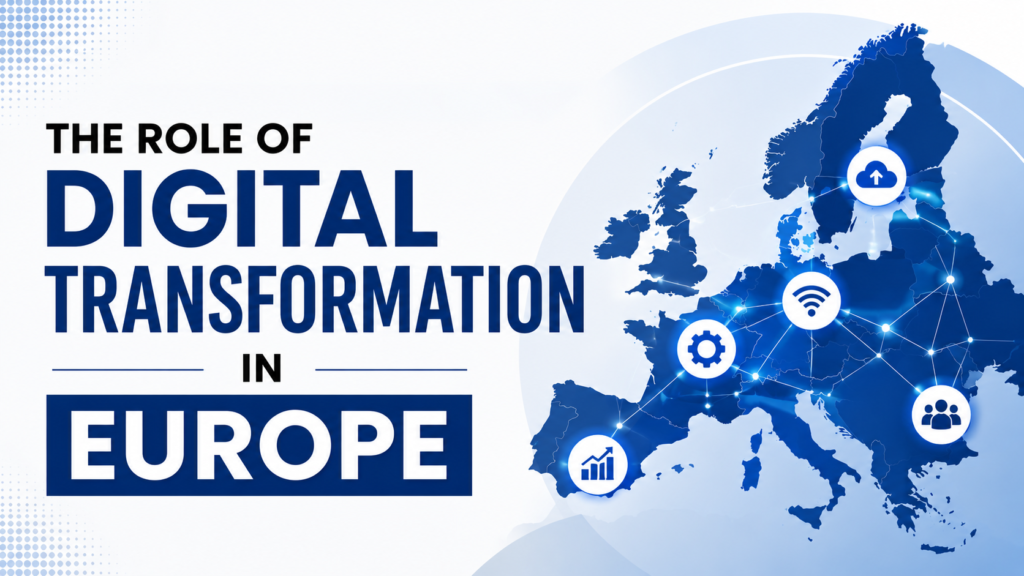
Businesses Seeking Smarter Solutions
Digital transformation is no longer a future ambition in Europe. It is happening right now across virtually every industry. From manufacturing and logistics to finance and energy, organizations are investing heavily in systems that improve efficiency and visibility.
European businesses especially value solutions capable of simplifying complexity. Large enterprises often operate through fragmented legacy systems built over decades. These systems create operational bottlenecks, slow communication, and limit strategic agility.
Spartan DACH’s growing relevance seems connected to this modernization challenge. Businesses are searching for integrated solutions capable of centralizing information, improving forecasting accuracy, and supporting collaborative workflows.
The shift toward smarter systems is also driven by economic pressure. Rising operational costs force businesses to identify inefficiencies quickly. AI-driven analytics and operational intelligence platforms can significantly improve resource allocation and strategic planning.
Companies that help businesses become smarter rather than simply more digital are gaining stronger market traction.
Automation and Operational Efficiency
Automation has become one of Europe’s biggest business priorities. Labor shortages, rising operational expenses, and increasing market competition are forcing companies to streamline workflows wherever possible.
Operational efficiency is especially important in the DACH region because businesses there are known for precision and process excellence. Companies expect technology systems to enhance productivity without sacrificing reliability.
Spartan DACH benefits from operating within this environment because its focus appears closely aligned with automation and operational optimization trends. Businesses increasingly prefer intelligent systems that reduce repetitive tasks, accelerate analysis, and improve visibility across departments.
Automation also improves scalability. A business relying heavily on manual processes often struggles during rapid growth phases. Intelligent operational systems make expansion easier by standardizing workflows and reducing dependency on fragmented human coordination.
Europe’s push toward digital modernization is creating enormous opportunities for companies positioned within operational intelligence and AI-enhanced automation sectors.
Investment Trends Supporting Spartan DACH
Increasing Venture Capital Interest
European venture capital activity has shifted significantly toward enterprise technology and AI-focused companies. Investors are prioritizing businesses capable of solving real operational problems rather than simply generating short-term hype.
Recent startup reports indicate that the DACH region continues attracting major investment due to its engineering strength and innovation-driven business environment. AI platforms, operational intelligence systems, and enterprise automation technologies are among the most attractive investment categories.
Sparta’s recent funding success highlights this trend clearly. The company reportedly secured €40 million in funding to expand its AI-powered operational capabilities. Investors are increasingly betting on platforms that combine live intelligence, analytics, and collaboration features into scalable ecosystems.
This matters because funding fuels growth. Companies receiving strong investment support can expand faster, improve technology infrastructure, attract top talent, and enter new markets more aggressively.
European Expansion Opportunities
The European market offers enormous expansion potential for companies capable of scaling successfully. Businesses that establish strong foundations in the DACH region often use it as a launchpad into broader European operations.
Germany’s industrial dominance, Switzerland’s financial ecosystem, and Austria’s strategic geographic position create powerful regional advantages. Companies succeeding in this environment gain credibility that supports wider expansion across Europe.
Spartan DACH appears positioned to benefit from these dynamics. As businesses across Europe continue prioritizing AI adoption and operational modernization, demand for intelligent enterprise platforms is likely to increase substantially.
The expansion opportunity is particularly attractive because many European industries are still early in their digital transformation journeys. That means the market remains far from saturated.
Competitive Advantages of Spartan DACH
Regional Expertise
Regional understanding is incredibly important in Europe. Markets differ significantly in language, compliance requirements, operational culture, and business expectations. Companies that understand these regional nuances gain a major advantage.
Spartan DACH’s focus on the DACH ecosystem may strengthen its credibility because businesses often prefer partners with localized expertise. Understanding regional workflows, regulatory environments, and operational expectations improves customer trust.
Localization also matters in enterprise software adoption. Businesses want platforms capable of fitting naturally into existing operational cultures rather than forcing disruptive workflow changes.
Scalable Business Models
Scalability has become one of the defining characteristics of successful modern companies. Businesses want solutions capable of supporting future growth without requiring expensive restructuring every few years.
Spartan DACH’s growing attention may partly result from its scalability potential. Companies operating across multiple regions need systems capable of handling increasing operational complexity without reducing efficiency.
Scalable technology platforms are especially attractive in Europe because cross-border expansion often introduces new compliance challenges, language requirements, and operational variations.
Customer-Centric Strategy
Modern enterprises expect more than just software functionality. They want strategic partnerships that help improve business outcomes over time.
Customer-centric companies often outperform competitors because they prioritize adaptability, responsiveness, and operational value. Spartan DACH appears aligned with this expectation by focusing on practical intelligence and collaborative operational systems.
Businesses increasingly evaluate technology providers based on long-term support, integration flexibility, and measurable business impact rather than purely technical specifications.
Challenges Facing the European Market
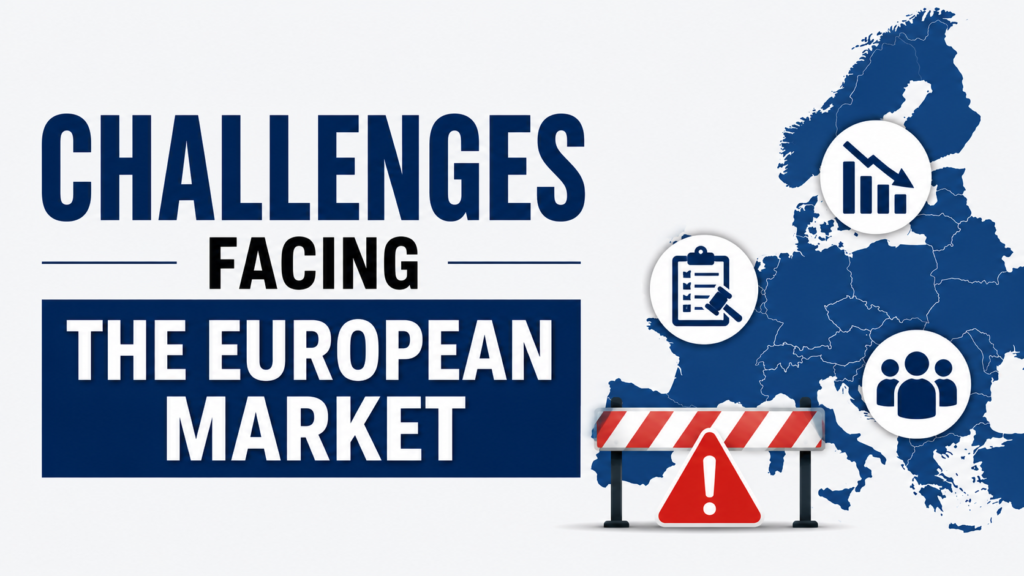
Regulatory Complexity
Europe’s regulatory environment can be extremely complex. Data privacy laws, compliance requirements, and industry regulations create challenges for companies operating across multiple countries.
Businesses entering the DACH market must navigate strict standards related to security, transparency, and operational accountability. Technology providers unable to adapt quickly often struggle to scale effectively.
Spartan DACH’s long-term success may depend partly on how effectively it manages evolving European compliance expectations.
Competition From Established Brands
The European enterprise technology market is highly competitive. Established multinational companies already dominate many sectors, making it difficult for emerging firms to capture attention.
Businesses evaluating new technology providers often prioritize trust, reliability, and proven scalability. Spartan DACH will likely need continued innovation and strong customer success stories to compete effectively against larger established players.
Still, emerging companies often have one major advantage: agility. Smaller firms can adapt faster, innovate more quickly, and respond to customer feedback more efficiently than large corporations burdened by bureaucracy.
Future Growth Potential
AI Adoption Across Europe
Artificial intelligence adoption across Europe is accelerating rapidly. Businesses increasingly recognize that AI-driven intelligence can improve forecasting, automate analysis, and reduce operational inefficiencies.
This trend creates strong long-term opportunities for companies operating within operational intelligence and AI infrastructure markets. Spartan DACH appears well-positioned to benefit from this momentum if it continues expanding its technological capabilities.
AI is gradually becoming embedded into everyday enterprise operations rather than existing as a standalone experimental tool. That shift could significantly increase demand for intelligent business ecosystems.
Read More:-
How Gorgias Helps Marketing Agencies Manage Ecommerce Customers
How Webnode Makes Website Building Easy for Beginners
checkdomain DE Review 2026: Features, Pricing & Domain Services Explained
INSTAREM GLOBAL Explained: Features, Fees, and Benefits
Corel, Roxio & Pinnacle | Multimedia Software Explained: Features, Pricing & Benefits
Expansion Beyond DACH
Although the DACH region provides a strong foundation, future growth opportunities likely extend across broader European markets. Countries throughout Europe are investing heavily in digital transformation, AI adoption, and operational modernization.
Businesses that successfully establish credibility in the DACH ecosystem often gain stronger positioning for expansion into France, the Nordics, Benelux countries, and Southern Europe.
Spartan DACH’s future visibility may depend on how effectively it balances regional specialization with broader European scalability.



Conclusion
Spartan DACH is gaining attention in the European market because it aligns closely with several powerful business trends shaping the future of Europe. The DACH region values innovation, precision, scalability, and operational excellence, and companies capable of supporting those priorities naturally attract growing interest.
The rise of AI-powered operational intelligence, automation, and digital transformation is creating enormous opportunities for businesses positioned within enterprise technology ecosystems. Spartan DACH appears increasingly connected to these trends through its focus on data-driven intelligence, collaboration tools, and scalable operational systems.
Europe’s business environment is becoming more competitive, more digital, and more intelligence-driven every year. Companies that help enterprises operate smarter rather than simply faster are likely to remain highly valuable in the years ahead.
FAQs
Q. What does DACH stand for?
A. DACH refers to the German-speaking region of Europe, including Germany (D), Austria (A), and Switzerland (CH).
Q. Why is the DACH market important for businesses?
A. The DACH region is one of Europe’s strongest economic zones, known for advanced manufacturing, innovation, engineering excellence, and strong purchasing power.
Q. Why is Spartan DACH gaining popularity?
A. Spartan DACH is attracting attention because of its focus on AI-powered operational intelligence, scalability, and enterprise digital transformation solutions.
Q. How does AI help companies in Europe?
A. AI helps businesses improve forecasting, automate workflows, analyze large datasets, reduce inefficiencies, and support faster decision-making.
Q. What industries benefit most from operational intelligence platforms?
A. Industries such as manufacturing, logistics, finance, commodity trading, energy, and enterprise operations benefit significantly from operational intelligence and AI-driven analytics.