
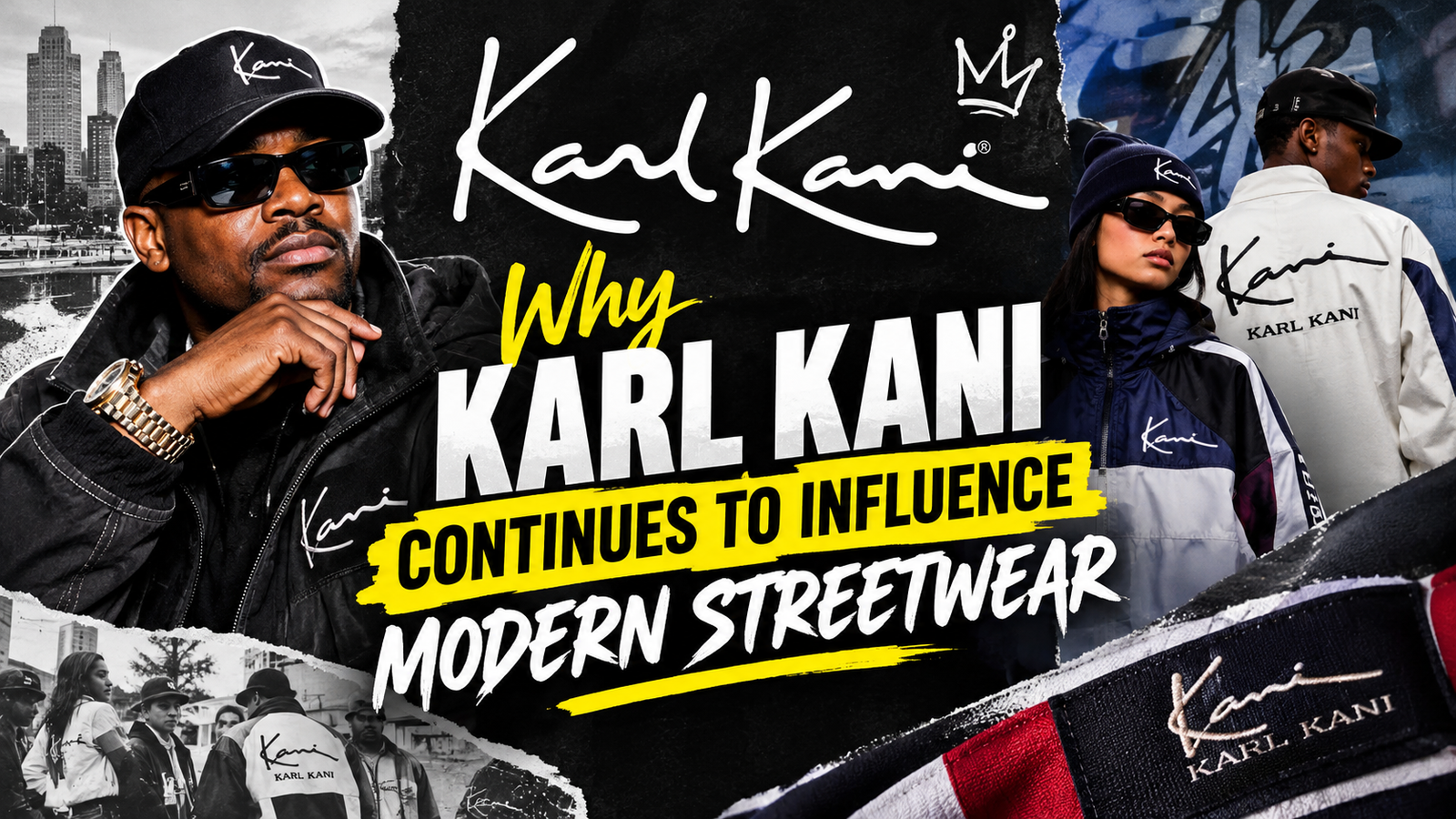
Discover why Karl Kani continues to influence modern streetwear through its iconic oversized clothing, baggy jeans, bold logos, and deep connection to hip-hop culture. Explore how Karl Kani transformed urban fashion, inspired generations of designers, and continues to shape contemporary streetwear trends with its unique blend of authenticity, creativity, and self-expression. Learn about the brand’s history, signature styles, and lasting impact on the global fashion industry.
Table of Contents
- Introduction to Karl Kani and Its Streetwear Legacy
- The Origins of Karl Kani
- What Makes Karl Kani’s Design Philosophy Unique?
- Karl Kani’s Connection to Hip-Hop Music
- How Karl Kani Influenced Modern Streetwear Trends
- Cultural Representation and Authenticity
- Karl Kani in Today’s Fashion Landscape
- How to Style Karl Kani Pieces in Modern Outfits
- Why Karl Kani Still Matters to Younger Generations
- Conclusion
- Frequently Asked Questions (FAQs)
Introduction to Karl Kani and Its Streetwear Legacy
Streetwear is more than a collection of oversized hoodies, baggy jeans, graphic T-shirts, and stylish sneakers. It is a form of self-expression that connects fashion with music, identity, creativity, and everyday life. Among the brands that helped shape this movement, Karl Kani holds a special place because it brought the energy of hip-hop culture into mainstream fashion long before streetwear became a global trend. Founded in 1989, the brand became known for its relaxed silhouettes, bold branding, and close relationship with the artists and communities that influenced its designs. According to the brand’s official history, Karl Kani helped popularize oversized denim, loose shirts, and heavyweight sweatshirts during a period when traditional fashion offered limited space for these styles.
Today, fashion constantly moves between old and new influences. One season celebrates minimalist outfits, while another embraces oversized jackets, vintage denim, and statement logos. Yet the appeal of Karl Kani goes beyond temporary trends. Its designs represent a period when young people used clothing to express individuality, confidence, and cultural pride. Modern streetwear continues to draw inspiration from that approach, combining vintage aesthetics with contemporary styling. Whether someone discovers the brand through hip-hop history, retro fashion, or current streetwear collections, its legacy offers a clear example of how authentic cultural expression can influence the wider fashion industry. So, what makes Karl Kani relevant decades after its rise? The answer lies in its history, distinctive design philosophy, cultural connections, and ability to remain meaningful as fashion evolves.
The Origins of Karl Kani
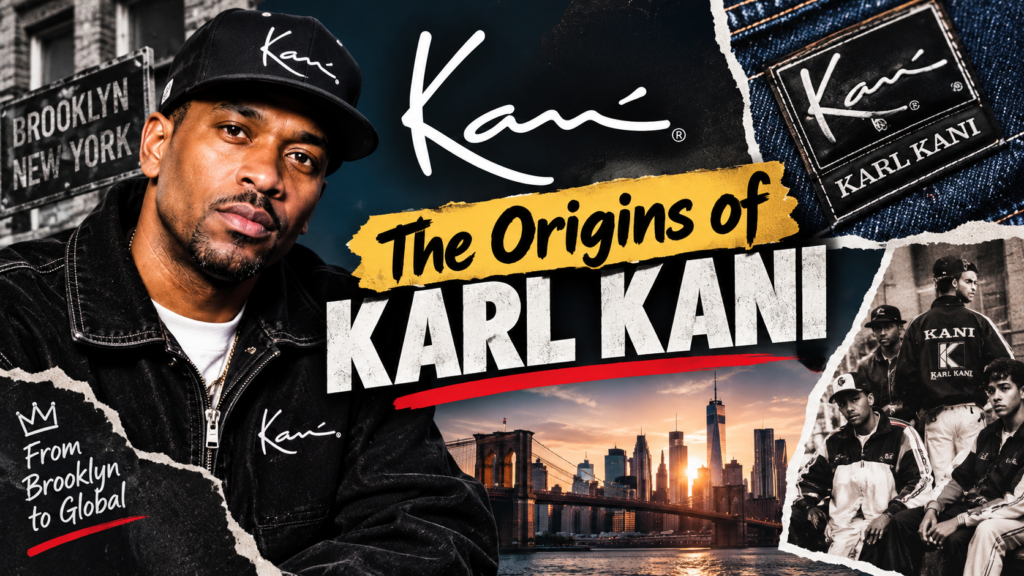
Karl Kani’s story began with designer Carl Williams, who grew up in Brooklyn, New York, and developed an interest in clothing and hip-hop culture at a young age. In 1989, he established his namesake label with a vision of creating clothes that reflected the style of the streets rather than simply following established fashion rules. At the time, many mainstream clothing companies focused on conventional silhouettes, but young people were developing their own looks through music, sports, neighborhood culture, and personal creativity. Williams recognized an opportunity to create clothing that spoke directly to this audience. His early work helped establish a distinctive identity built around oversized denim, relaxed fits, and expressive branding. The label’s subsequent appearance at the MAGIC fashion trade show in Las Vegas in 1991 helped introduce its streetwear designs to a wider retail audience.
This start has more significance than just the introduction of a new apparel brand. Karl Kani emerged at a time when Black designers faced considerable barriers in an industry that often overlooked their perspectives and creative contributions. Rather than waiting for traditional fashion institutions to validate his ideas, Williams built a business around the culture he understood. His experience demonstrated that fashion innovation could emerge from local communities and independent designers, not just established luxury houses. This entrepreneurial spirit remains relevant today, as independent streetwear labels continue to build loyal audiences by offering a clear identity and a meaningful connection with their customers. Karl Kani’s early journey shows how a strong creative vision, combined with persistence and business awareness, can transform a local idea into a lasting fashion legacy.
How New York Hip-Hop Culture Shaped the Brand
New York’s hip-hop scene played a central role in shaping Karl Kani’s identity. During the late 1980s and early 1990s, hip-hop was developing into a powerful cultural movement encompassing music, dance, visual art, language, and personal style. Fans and artists were able to express their identities through clothing without having to justify themselves. Loose denim, oversized tops, sportswear, sneakers, and prominent logos became part of a visual language associated with confidence and individuality. Karl Kani responded to this environment by creating garments that reflected how people wanted to dress in their everyday lives. Its designs did not feel disconnected from the culture because the brand grew from the same environment that inspired the style. According to historical accounts of the time, Kani’s baggy jeans played a significant role in the evolution of hip-hop fashion in the 1990s.
This relationship between fashion and music helped the brand develop a recognizable personality. Hip-hop artists were not simply consumers of clothing; their outfits contributed to their public image and influenced what fans wanted to wear. When an artist appeared in a particular jacket, pair of jeans, or branded sweatshirt, the garment could become part of the cultural conversation. Karl Kani understood this relationship early, helping establish a model in which clothing and music supported each other. The approach continues throughout modern streetwear, where musicians, DJs, dancers, and other creative figures influence how people discover and style brands. What began as a connection between local culture and everyday clothing eventually became an important part of fashion marketing worldwide.
From Independent Label to Streetwear Pioneer
Building a fashion brand requires more than designing attractive clothes. A designer must find customers, establish reliable production, develop a recognizable identity, and convince retailers that the products deserve space in the market. Karl Kani faced these challenges while introducing a style that was still unfamiliar to many mainstream retailers. The brand was able to reach a wider commercial audience thanks to the designer’s early entrepreneurial endeavors and his attendance at the MAGIC trade exhibition. The label subsequently gained recognition through its association with hip-hop artists and its distinctive approach to casual clothing. Its rise demonstrated that streetwear could become a serious fashion business without abandoning its cultural roots.
Karl Kani’s success also helped establish a pathway for other designers who wanted to build brands around music, community, and youth culture. Streetwear was no longer simply a category of comfortable everyday clothing; it could become a business with a recognizable identity and a dedicated audience. Later labels would develop their own versions of this model, using distinctive graphics, artist relationships, and cultural storytelling to build recognition. Although Karl Kani was not the only influence on streetwear’s development, its early visibility made it an important reference point in the history of hip-hop fashion. Its story reminds modern entrepreneurs that originality is often about understanding an audience deeply and giving that audience something it cannot easily find elsewhere.
What Makes Karl Kani’s Design Philosophy Unique?
One reason Karl Kani continues to influence modern streetwear is its clear design identity. The brand became associated with oversized clothing, expressive logos, denim with character, and a relaxed attitude toward traditional fashion proportions. These elements created a look that was easy to recognize and closely connected to the culture that inspired it. Instead of relying on delicate details or formal tailoring, Karl Kani often made the overall silhouette and branding central to the outfit. This approach suited a generation that wanted clothing to communicate confidence and personality. The label’s official brand story emphasizes its early focus on baggy denim, oversized shirts, and substantial sweatshirts, all of which helped establish its signature aesthetic.
The philosophy behind these designs is particularly relevant in an era when fashion consumers often mix different influences rather than following one strict style. A branded jacket can be paired with simple trousers, while a loose sweatshirt can become the focal point of an otherwise understated outfit. Karl Kani’s aesthetic supports this flexibility because its recognizable elements work as individual statement pieces or as part of a coordinated look. The brand’s legacy also highlights the importance of consistency: when customers can recognize a label through its shapes, proportions, and visual identity, they are more likely to associate it with a particular cultural attitude. Modern streetwear brands continue to use this principle, adapting signature design elements to new generations without losing the identity that made them recognizable in the first place.
Oversized Silhouettes and Relaxed Fits
Oversized clothing is one of the most visible connections between Karl Kani’s legacy and contemporary streetwear. Instead of emphasizing a narrow, body-hugging shape, loose-fitting garments create movement, volume, and a relaxed appearance. Baggy jeans, roomy hoodies, wide-leg trousers, and generously cut T-shirts can make an outfit feel casual without making it look unconsidered. Karl Kani helped popularize these proportions in hip-hop fashion, giving young people clothing that reflected their preferred style rather than conventional expectations about how garments should fit. This influence remains visible whenever contemporary collections revisit loose denim and oversized tops.
The appeal of a relaxed silhouette is also practical. Comfortable clothing allows people to move freely, layer pieces, and adapt outfits to different settings. A pair of wide-leg jeans can work with a fitted T-shirt for contrast or an oversized hoodie for a more traditional streetwear look. Similarly, a roomy jacket can create a strong shape when worn over a simple outfit. The important point is that oversized fashion is not simply about buying clothing several sizes too large. Good styling involves considering proportions, fabric weight, length, and balance. Karl Kani’s influence can be seen in how contemporary fashion treats volume as an intentional design choice rather than an accident. By making relaxed proportions a recognizable part of streetwear, the brand helped expand the range of silhouettes people could confidently wear.
Bold Logos, Denim, and Recognizable Branding
In streetwear, branding has always been crucial, and Karl Kani created a visual identity that could stand out even in a packed ensemble. Prominent lettering, recognizable logo treatments, and distinctive denim designs helped turn basic clothing categories into recognizable fashion statements. A hoodie could provide warmth, but it could also communicate a person’s taste in music, fashion, and culture. Jeans could be practical everyday clothing while also becoming a central part of someone’s personal style. Karl Kani brought these ideas together through garments that made branding and silhouette work as a unified visual language. Its historical association with hip-hop artists strengthened that recognition and gave the label a cultural meaning beyond its products.
Modern streetwear continues to use bold branding, although the amount of visible branding varies from one label to another. Some consumers prefer large logos and statement graphics, while others choose subtle embroidery or small design details. Karl Kani’s legacy remains useful because it demonstrates how a consistent visual identity can make a brand memorable. The key is not simply to place a logo on every garment but to ensure that the branding fits the label’s personality. Denim also remains a versatile part of this identity because it can be dressed up or down, styled with sneakers, or layered with outerwear. When shoppers choose a Karl Kani piece today, they can draw on its vintage associations while incorporating it into a contemporary outfit that feels personal rather than copied from the past.
Karl Kani’s Connection to Hip-Hop Music
Hip-hop helped Karl Kani become more than a clothing label. The relationship between the brand and the music scene created a powerful connection between what artists wore and how audiences understood their identities. During the 1990s, rappers increasingly became fashion influences, bringing street-inspired clothing into music videos, performances, photographs, and public appearances. Karl Kani’s designs fitted naturally into this environment because they reflected the relaxed silhouettes and bold visual statements associated with the era. Artists including Tupac Shakur and The Notorious B.I.G. became closely associated with the brand, helping connect its clothing with an important period in hip-hop history.
This connection also illustrates why cultural credibility matters in fashion. People are often drawn to clothing because of the stories, memories, and communities associated with it. When fans saw their favorite artists wearing oversized denim and branded sweatshirts, those outfits became part of the visual identity of hip-hop. The clothes communicated an attitude that could be recognized even outside a concert or music video. Today, musicians still shape fashion through social media, performances, collaborations, and personal styling, but the underlying relationship remains familiar. Karl Kani helped establish an early example of how an authentic connection with a music community could give clothing a lasting cultural significance. That history continues to distinguish the brand from labels that simply reproduce popular silhouettes without a comparable cultural background.
How Karl Kani Influenced Modern Streetwear Trends
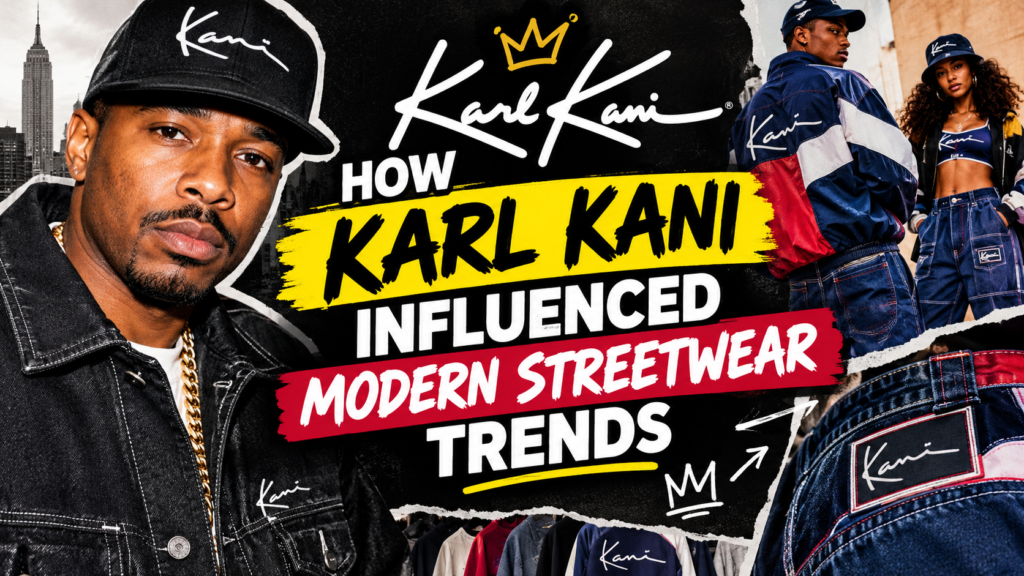
Karl Kani’s influence is visible in the way modern streetwear combines comfort, oversized proportions, distinctive branding, and cultural references. Many contemporary outfits feature wide-leg denim, relaxed sweatshirts, graphic tops, and statement outerwear that echo the visual language popularized by 1990s hip-hop fashion. This does not mean every modern designer directly copies Karl Kani. Streetwear has developed through the contributions of numerous communities, designers, musicians, skaters, sportswear labels, and independent brands. However, Karl Kani remains an important reference point when examining how oversized urban clothing became widely accepted. Its early success helped demonstrate that a style rooted in youth culture could influence mainstream retail and shape broader ideas about casual fashion.
Another lasting influence is the idea that streetwear should feel connected to real people and everyday experiences. Streetwear frequently develops through the interaction of communities, music, sports, and individual creativity rather than solely relying on traditional runway traditions. Karl Kani’s early approach reflected this cultural energy, creating clothing that customers could incorporate into their own identities. Modern brands continue to use similar principles, whether they release limited collections, collaborate with artists, or draw inspiration from vintage sportswear. As streetwear moves between independent fashion, luxury collaborations, and everyday retail, its cultural origins remain important. Karl Kani’s history provides a useful reminder that a trend becomes meaningful when it represents something beyond the garment itself.
The Rise of Baggy Jeans and Loose-Fitting Clothing
As fashion shoppers explore styles from the 1990s and early 2000s, baggy jeans have seen a resurgence of interest. The appeal comes partly from nostalgia, but it also reflects a preference for clothing that offers freedom of movement and more varied proportions. Contemporary shoppers can choose wide-leg denim, relaxed straight-leg jeans, cargo trousers, and loose-fitting utility pants without committing to a single uniform look. Karl Kani’s early emphasis on oversized denim makes the brand particularly relevant to this trend. Its history is closely connected with the development of baggy jeans as a defining element of hip-hop fashion. Wide-leg and loose silhouettes continue to be popular, as evidenced by recent coverage of denim trends, which shows how older proportions are still discussed in modern fashion.
Compared to the original 1990s style, the contemporary version of baggy jeans can be more adaptable. Someone might pair them with a fitted tank top, a cropped jacket, and sneakers for a balanced silhouette. Another person might choose an oversized sweatshirt, a baseball cap, and chunky footwear for a more nostalgic outfit. Dark denim can create a cleaner appearance, while faded washes and distressed finishes can emphasize a vintage aesthetic. These combinations show why loose-fitting clothing continues to appeal to different age groups and personal styles. Karl Kani’s contribution was not simply introducing a particular cut of jeans; it helped establish the idea that generous proportions could be deliberate, fashionable, and expressive. This change is still important whenever designers question accepted notions of fit.
The Relationship Between Streetwear and Self-Expression
Streetwear gives people an opportunity to communicate their personalities through clothing without following rigid fashion rules. Someone might prefer neutral colors and understated sneakers, while another person enjoys oversized graphics, bright colors, and prominent branding. Both approaches can belong to streetwear because the style is shaped by individual choices as much as by specific products. Karl Kani’s design philosophy fits this idea through its expressive proportions and strong visual identity. Its clothing helped make relaxed silhouettes and street-inspired aesthetics more visible, allowing wearers to create outfits that reflected their preferences and cultural influences. The brand’s stated mission also emphasizes self-expression and the confidence associated with wearing its designs.
Self-expression is especially important in modern fashion because social media exposes people to an enormous variety of looks. Trends can spread quickly, but consumers also have more opportunities to experiment with personal combinations. A vintage Karl Kani sweatshirt might be worn with contemporary sneakers, while a classic logo T-shirt could be styled with tailored trousers or a modern denim skirt. These combinations create a conversation between different fashion eras. Instead of treating vintage clothing as a complete costume, people can use individual pieces to express their own tastes. This freedom is one reason streetwear remains adaptable. Karl Kani’s legacy demonstrates that clothing can be a creative language, allowing people to communicate confidence, individuality, and cultural appreciation through everyday choices.
Cultural Representation and Authenticity
Karl Kani’s legacy is also important because of its connection to Black entrepreneurship and the cultural influence of hip-hop. The brand was built by a Black designer who recognized the creative potential of a community that mainstream fashion had often overlooked. Its success challenged assumptions about which designers could influence popular clothing and which cultural styles deserved commercial recognition. A 1994 Los Angeles Times profile described Kani’s achievements within a fashion industry where Black designers faced significant barriers.
His journey therefore represents more than the popularity of oversized jeans. It also demonstrates how independent creativity and a clear understanding of an underserved audience can challenge established industry expectations.
Authenticity, however, should not be treated as a marketing slogan alone. It depends on a meaningful relationship between a brand, its history, and the people who helped shape its identity. Karl Kani’s connection with hip-hop developed during the period when the brand was growing, rather than being added later simply to capitalize on a trend. This history gives its designs a cultural context that cannot be recreated by changing a logo or making a pair of baggy jeans. For modern consumers, understanding that context can make fashion choices more meaningful. It also encourages a broader appreciation of the Black designers, musicians, and communities whose creativity has helped shape global fashion. Recognizing Karl Kani’s influence means recognizing the cultural contributions behind the clothes, not just the clothes themselves.
Karl Kani in Today’s Fashion Landscape
Today’s streetwear market includes independent labels, sportswear companies, luxury designers, vintage retailers, and brands built around online communities. Consumers can move between these categories with ease, combining affordable basics with vintage finds and statement pieces. Within this environment, Karl Kani offers a recognizable link to the history of hip-hop fashion. Its established visual identity gives it a place in conversations about retro streetwear, while its oversized silhouettes and logo-focused designs remain compatible with contemporary styling. The brand’s continued recognition also reflects a wider interest in fashion from earlier decades, especially when those designs have a meaningful cultural background.
The modern fashion landscape also places greater emphasis on personal styling. Instead of wearing an outfit exactly as a brand presents it, consumers often mix pieces from different labels and periods. A vintage-inspired Karl Kani jacket might be paired with contemporary athletic shoes, while a logo sweatshirt can work with minimalist accessories and simple trousers. This flexibility allows the brand to appeal to people who appreciate 1990s nostalgia as well as those who are simply looking for distinctive casual clothing. At the same time, its history offers something that purely trend-driven labels may lack: a well-established connection with a particular cultural movement. The challenge for any heritage brand is to preserve that identity while responding to changing preferences. Karl Kani’s influence shows why a recognizable design language and a meaningful story can help a label remain relevant across generations.
Read More:-
How Does Strikingly Simplify the Website Building Process?
Building Your Dream Website with Site123
Boost Your E-commerce Strategy with YITH Plugins
Maximize Your Customer Engagement with LiveAgent’s Features
Why STRIPO is Essential for Digital Product Marketersa
How to Style Karl Kani Pieces in Modern Outfits
Adding Karl Kani’s iconic items to regular outfits is one of the simplest ways to recognize the brand’s impact.You do not need to recreate a complete 1990s look to enjoy the brand’s aesthetic. Instead, focus on one statement item and build the rest of your outfit around it. A logo T-shirt, oversized sweatshirt, relaxed denim, or bold jacket can become the central feature of an outfit while simpler pieces keep the overall look balanced. This approach makes streetwear accessible to people with different preferences, budgets, and lifestyles. The goal is to create an outfit that feels natural rather than wearing every popular trend at once.
1. The classic hip-hop look
Pair a loose Karl Kani T-shirt with baggy jeans and classic sneakers. Add a baseball cap or a simple chain if you want a stronger throwback aesthetic. This combination captures the relaxed proportions associated with 1990s hip-hop while remaining easy to wear today.
2. The everyday casual outfit
Choose an oversized hoodie, wide-leg denim, and clean sneakers. Keep the colors coordinated for an outfit that works for shopping, meeting friends, or a relaxed day out. The loose silhouette gives the look a streetwear feel without requiring complicated accessories.
3. The retro-inspired streetwear look
Wear a statement jacket over a plain T-shirt with relaxed trousers and sneakers. While a straightforward basis prevents the ensemble from appearing unduly cluttered, vintage-inspired colors and prominent logos can offer flair. This is a practical way to combine nostalgic fashion with contemporary styling.
4. The relaxed contemporary look
Try a roomy graphic sweatshirt with wide-leg jeans or relaxed trousers. Balance the volume with a neater fit elsewhere, or add a structured bag for contrast. This approach works across different personal styles and shows how streetwear can be expressive without sacrificing comfort.
A useful styling principle is to balance proportions rather than simply making everything oversized. If you choose very loose jeans, a more fitted top can create contrast. If your sweatshirt is the main statement piece, simple trousers and understated footwear can keep the focus on it. You can also experiment with layering, denim washes, and accessories to create a look that feels individual. Karl Kani’s influence is most interesting when it inspires creativity rather than encouraging people to follow a single formula.
Why Karl Kani Still Matters to Younger Generations
Younger fashion consumers often discover older brands through vintage stores, music videos, social media, celebrity outfits, and renewed interest in previous decades. For them, Karl Kani can offer a fresh alternative to contemporary minimalist clothing. Its bold branding, relaxed denim, and recognizable hip-hop associations provide a different aesthetic from the clean, understated styles that dominate some parts of the fashion market. At the same time, the brand’s history introduces new audiences to an important chapter in the development of streetwear. The Hip Hop Museum’s 2026 feature on Karl Kani discussed the return of baggy clothing and the generational cycles that bring older styles back into fashion.
Nostalgia is only part of the explanation. Younger consumers can appreciate vintage-inspired fashion without having experienced the original era themselves. They may be drawn to the silhouette, the graphics, the cultural references, or the freedom to experiment with different combinations. Karl Kani’s designs provide opportunities to explore those interests while learning about the artists and communities that influenced the brand. This creates a connection between fashion history and present-day creativity. Rather than viewing the label solely as a reminder of the past, new generations can reinterpret its aesthetic through their own preferences, identities, and cultural experiences.
Another reason the brand remains relevant is that streetwear continues to challenge conventional distinctions between luxury, casual clothing, and personal expression. A well-styled outfit does not necessarily depend on an expensive designer label or a perfectly coordinated collection. Sometimes, a distinctive vintage sweatshirt and a pair of well-fitting jeans communicate more personality than an outfit built entirely around current trends. Karl Kani’s history supports this broader understanding of fashion: clothing becomes influential when people connect with what it represents. As younger generations continue to revisit and reinterpret streetwear history, the brand’s legacy remains part of the conversation.




Conclusion
Karl Kani continues to influence modern streetwear because its legacy combines distinctive design, cultural authenticity, entrepreneurial ambition, and a lasting relationship with hip-hop. From its beginnings in 1989 to its recognition during the 1990s, the brand helped popularize oversized denim, relaxed silhouettes, expressive logos, and clothing that reflected the identities of the communities wearing it. Its connection with artists such as Tupac Shakur and The Notorious B.I.G. strengthened its place in fashion history, while its early success demonstrated that street-inspired clothing could reach a mainstream audience.
Its influence is still visible in today’s interest in baggy jeans, oversized hoodies, vintage graphics, and fashion that prioritizes individuality. Yet Karl Kani’s significance goes beyond the return of particular clothing styles. The brand represents a shift in how the fashion industry recognizes creativity originating in hip-hop culture and independent Black entrepreneurship. Its story also illustrates why authenticity and a consistent design identity can matter more than short-lived trends. As contemporary designers and consumers continue to reinterpret the past, Karl Kani remains an important reference point for understanding the roots of modern streetwear. Its lasting influence comes from the connection between clothing, culture, and self-expression—a combination that continues to shape how people dress today.
Frequently Asked Questions (FAQs)
Q. What is Karl Kani famous for?
A. Karl Kani is famous for its connection to hip-hop fashion and its distinctive oversized clothing. The brand became particularly well known for baggy jeans, relaxed shirts, heavyweight sweatshirts, and recognizable logos during the 1990s. Its association with influential hip-hop artists helped establish its place in streetwear history.
Q. When was Karl Kani founded?
A. Karl Kani was founded in 1989 by designer Carl Williams, who became known professionally as Karl Kani. The brand developed from his interest in fashion and hip-hop culture and gained broader industry recognition in the early 1990s.
Q. How did Karl Kani influence modern streetwear?
A. Karl Kani helped popularize oversized silhouettes, baggy denim, bold branding, and the integration of hip-hop culture into mainstream fashion. These design elements continue to appear in contemporary streetwear, particularly in relaxed denim, graphic clothing, and vintage-inspired outfits.
Q. Which hip-hop artists were associated with Karl Kani?
A. Artists associated with Karl Kani include Tupac Shakur, The Notorious B.I.G., Snoop Dogg, and Dr. Dre. Their connection with the brand helped link its clothing to the music and cultural identity of 1990s hip-hop.
Q. Is Karl Kani still relevant in today’s fashion trends?
A. Yes. Karl Kani remains relevant to discussions of contemporary streetwear because of its historical influence, recognizable branding, and association with oversized silhouettes. Its aesthetic also fits renewed interest in 1990s fashion, baggy jeans, vintage-inspired clothing, and expressive casual outfits.