
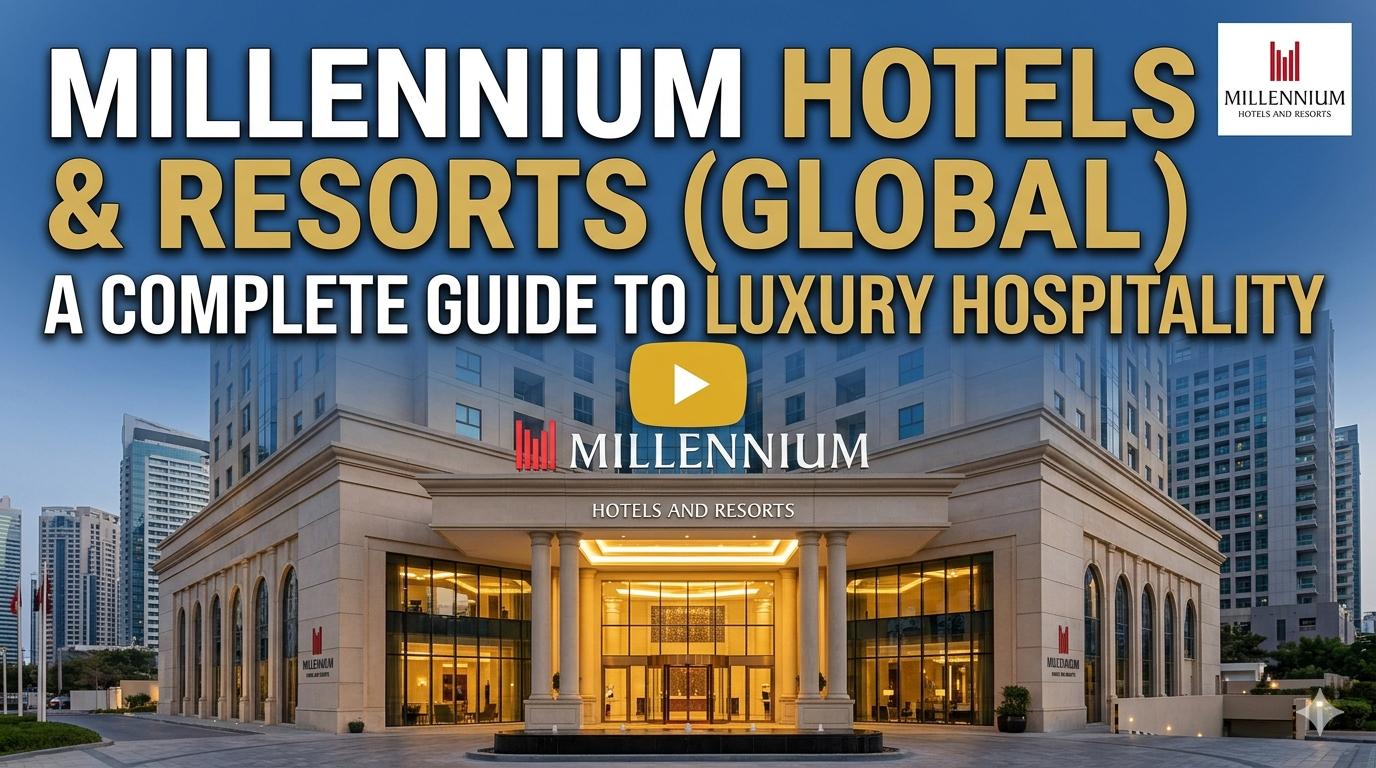
Discover everything about Millennium Hotels and Resorts, one of the world’s leading luxury hospitality brands. This complete guide explores its global hotel portfolio, premium amenities, top destinations, loyalty programs, sustainability initiatives, and modern guest experiences. Learn why travelers across Asia, Europe, the Middle East, and North America choose Millennium Hotels for business trips, family vacations, and luxury stays. From smart technology and wellness facilities to personalized hospitality and iconic properties, this article covers everything you need to know about Millennium Hotels and Resorts in 2026.
Table of Contents
- Understanding the Global Rise of Millennium Hotels and Resorts
- The Core Philosophy Behind Millennium Hospitality
- Major Hotel Brands Under Millennium Hotels and Resorts
- Top Global Destinations Served by Millennium Hotels
- Luxury Amenities and Guest Experiences
- Sustainability and Responsible Tourism
- Loyalty Programs and Exclusive Member Benefits
- Why Business Travelers Prefer Millennium Hotels
- Comparing Millennium Hotels with Other Luxury Hospitality Brands
- Future Growth and Trends for Millennium Hotels and Resorts
- Conclusion
- FAQs
Understanding the Global Rise of Millennium Hotels and Resorts

The hospitality industry is incredibly competitive. Every luxury hotel chain promises premium comfort, exceptional service, and unforgettable experiences. Yet only a handful manage to establish a truly global identity without losing their personality. Millennium Hotels and Resorts has achieved exactly that by blending regional authenticity with international luxury standards. The brand has steadily evolved from a traditional hotel operator into a global hospitality powerhouse with properties spanning Asia, Europe, the Middle East, New Zealand, and North America.
The company’s journey reflects how modern travelers have changed over time. Earlier, luxury hospitality focused heavily on opulence and exclusivity. Today, guests expect flexibility, wellness experiences, digital convenience, and meaningful local immersion. Millennium Hotels adapted to these expectations by developing multiple hotel collections aimed at different traveler lifestyles. This strategy helped the brand maintain relevance in an industry where customer preferences change rapidly.
Another important reason behind the company’s rise is location strategy. Major gateway cities like London, Singapore, Dubai, New York, and Beijing are frequently home to Millennium properties.These destinations naturally attract business executives, international tourists, conference attendees, and luxury travelers year-round. By targeting globally connected urban centers, the brand strengthened both visibility and revenue opportunities.
The group also benefited from strong backing through City Developments Limited, one of Singapore’s major real estate companies. This support enabled long-term investments in infrastructure, renovations, digital transformation, and sustainability initiatives. While many hotel chains struggled during global travel disruptions, Millennium Hotels focused on modernization and loyalty-driven growth strategies to maintain competitiveness.
The Origins and Evolution of the Brand
Millennium Hotels and Resorts traces its roots back several decades, evolving through acquisitions, rebranding, and international expansion. Over time, the company transformed from a regional operator into a hospitality network recognized worldwide. Its portfolio now includes brands such as Grand Millennium, Copthorne, M Social, Studio M, Kingsgate, and The Biltmore.
One fascinating aspect of the company’s growth is its ability to diversify. Instead of relying on one hotel identity, Millennium created multiple sub-brands that target unique customer segments.While younger, lifestyle-focused customers frequently choose M Social properties, business travelers might choose Grand Millennium’s refined atmosphere. This diversified approach allows the company to compete across multiple hospitality categories simultaneously.
Expansion Across Four Continents
Global expansion has been central to the brand’s strategy. The company currently operates properties across four continents and approximately 80 destinations worldwide. This geographic diversity creates resilience because tourism demand varies between regions. When one market experiences slower travel activity, another region may remain strong.
Asia remains one of the company’s most influential regions due to rising middle-class wealth and booming tourism demand. Europe contributes prestige through iconic city hotels, while the Middle East provides strong luxury travel opportunities. North America strengthens international recognition through landmark properties and business-oriented hotels.
The Core Philosophy Behind Millennium Hospitality
Providing a room is only one aspect of hospitality. The world’s most respected hotel brands understand that guests remember emotions more than architecture. Millennium Hotels and Resorts places strong emphasis on emotional connection, comfort, and personalization. Its philosophy revolves around treating travelers like individuals rather than reservation numbers.
The company describes its approach as combining Asian hospitality with Western comfort. That may sound like marketing language at first glance, but it genuinely reflects how the brand operates. Asian hospitality traditions often focus deeply on warmth, attentiveness, and respect, while Western luxury standards prioritize convenience, efficiency, and spacious comfort. Millennium attempts to merge these strengths into one seamless experience.
Personalization has become even more important in modern hospitality because guests increasingly expect hotels to understand their preferences automatically. Travelers want flexible check-ins, customized dining recommendations, wellness-focused services, and digital convenience. Millennium has invested significantly in AI-enabled guest technologies across several properties to improve customer interactions and operational efficiency. According to recent reports, the company powered more than 5.26 million guest interactions through AI-enabled devices across Southeast Asian hotels since 2024.
The philosophy also extends to design. Many Millennium properties reflect local culture instead of using identical architectural styles worldwide. This gives guests a stronger sense of place. A hotel in Singapore feels different from one in Paris or Dubai, even though they belong to the same hospitality family. That balance between consistency and individuality is difficult to achieve, yet it remains one of the company’s strongest competitive advantages.
Combining Asian Hospitality with Western Comfort
This cultural blend is visible in guest service models, food offerings, room design, and customer engagement strategies. Staff training often emphasizes attentiveness and proactive service, while properties maintain international luxury standards that global travelers expect. The result feels less robotic compared to some large hotel chains where experiences become overly standardized.
Personalized Luxury Experiences
Modern luxury travelers want customization more than extravagance alone. Millennium addresses this by offering tailored packages, flexible loyalty rewards, wellness-focused stays, and curated dining experiences. Hotels increasingly use guest data responsibly to improve recommendations and anticipate traveler preferences.
Major Hotel Brands Under Millennium Hotels and Resorts
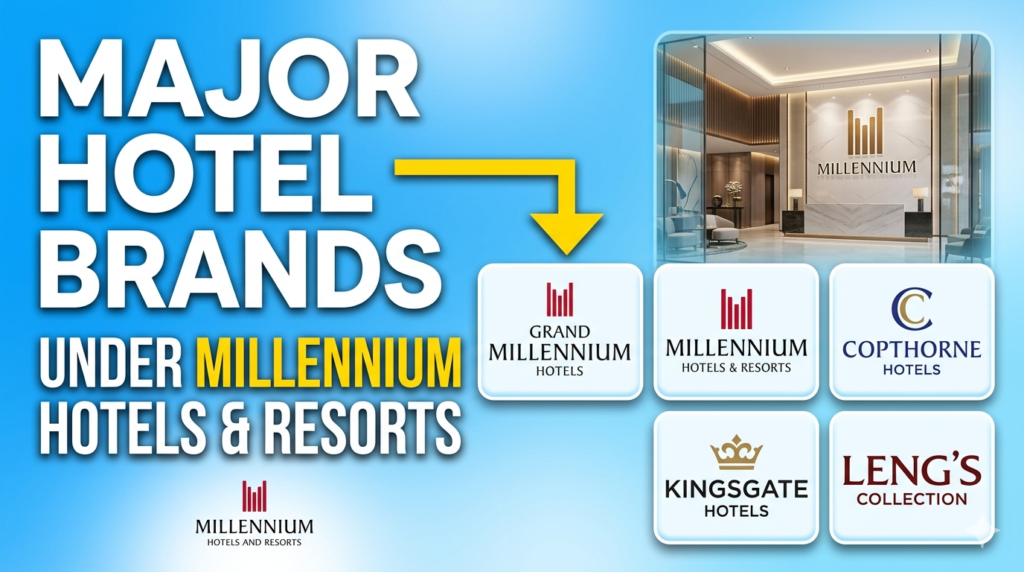
One of the most interesting aspects of Millennium Hotels and Resorts is its multi-brand structure. Instead of forcing every property into a single identity, the company operates several collections designed for different traveler personalities and budgets.
| Brand | Primary Focus | Typical Guest Type |
| Grand Millennium | Premium luxury business hotels | Corporate and luxury travelers |
| Millennium Hotels | Upscale city hospitality | International tourists |
| Copthorne Hotels | Comfortable premium stays | Families and business travelers |
| M Social | Lifestyle and modern experiences | Younger travelers and creatives |
| The Biltmore | Historic luxury | Elite luxury guests |
| Kingsgate | Midscale comfort | Budget-conscious travelers |
Grand Millennium Hotels
Grand Millennium properties represent the company’s flagship luxury business hotels. These hotels are often located in central urban districts and cater heavily to executives, diplomats, and conference travelers. The atmosphere typically combines sophistication with functional efficiency.
Copthorne Hotels and Resorts
Copthorne hotels target travelers who want comfort and quality without ultra-luxury pricing. These properties are especially popular among families and long-stay visitors because they often provide larger accommodations and accessible amenities.
M Social and Lifestyle Properties
Lifestyle hospitality has become one of the fastest-growing sectors in travel. Younger travelers increasingly prioritize social energy, aesthetics, and immersive experiences over formal luxury traditions. M Social hotels embrace this trend through vibrant design, co-working spaces, trendy bars, and tech-friendly environments.
The Biltmore Luxury Collection
The Biltmore properties stand at the top of the luxury spectrum within the Millennium portfolio. These hotels are known for historic elegance, grand architecture, and timeless sophistication. They appeal to guests seeking classic luxury experiences with cultural prestige.
Top Global Destinations Served by Millennium Hotels
Location is everything in hospitality. A beautiful hotel means little if travelers cannot access important destinations conveniently. Millennium Hotels strategically operates in cities that combine tourism demand, business activity, and international connectivity.
Asia-Pacific remains particularly important for the brand. Singapore, Beijing, Shanghai, Tokyo, Seoul, and Auckland are all key locations within the network. These cities attract millions of international visitors annually and serve as major commercial hubs.
The Middle East has also emerged as a crucial market due to rising luxury tourism and global business travel. Dubai and Abu Dhabi continue attracting affluent travelers looking for world-class hospitality experiences. Europe contributes additional prestige through properties in London and Paris, destinations synonymous with luxury tourism.
North America strengthens the portfolio through hotels in New York and Los Angeles. These locations help Millennium maintain relevance among both international tourists and domestic corporate travelers.
Asia-Pacific Luxury Destinations
Asia’s growing tourism sector creates enormous opportunities for hospitality companies. Travelers increasingly seek premium experiences in cities blending modern infrastructure with cultural richness. Millennium properties in Asia often reflect regional traditions while maintaining global service standards.
Europe and Middle East Expansion
European hotels within the portfolio focus heavily on heritage and luxury sophistication. Middle Eastern properties, meanwhile, emphasize grandeur, wellness, and premium leisure experiences suited to high-end travelers.
North American Presence
North American properties help balance the brand’s international identity. Hotels in cities like New York and Los Angeles attract entertainment professionals, business executives, and international tourists year-round.
Luxury Amenities and Guest Experiences
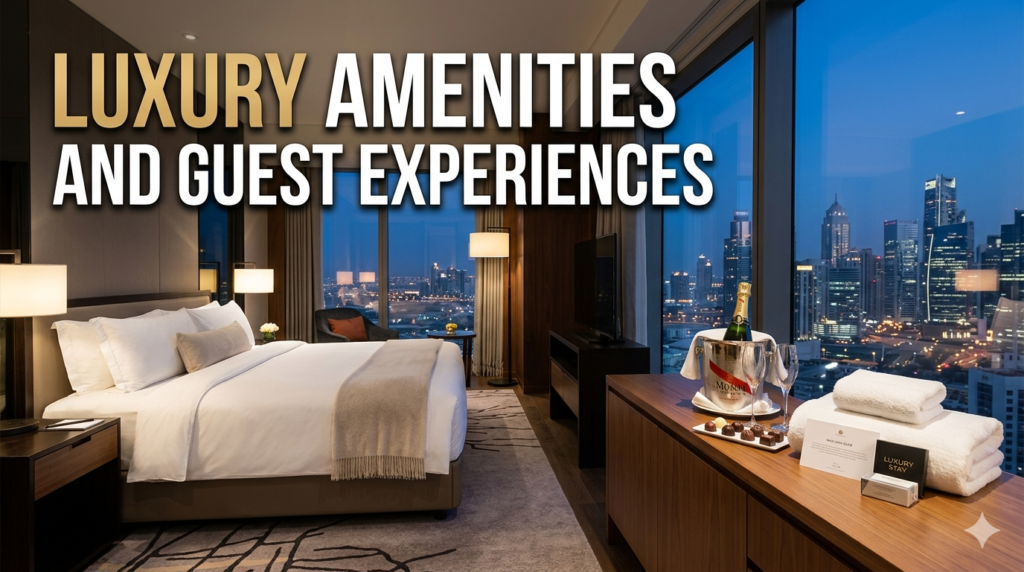
Luxury hospitality today extends far beyond expensive interiors. Guests now judge hotels based on convenience, emotional comfort, wellness integration, and memorable experiences. Millennium Hotels has invested heavily in modern guest expectations by combining technology with traditional hospitality values.
One major trend shaping hospitality is AI integration. Millennium reportedly introduced thousands of AI-enabled devices across multiple properties to improve operational efficiency and guest engagement. Smart room controls, automated guest services, and personalized recommendations are becoming increasingly common throughout the portfolio.
Dining also plays a major role in luxury hospitality. Travelers no longer view hotel restaurants merely as convenient meal options. Instead, they expect culinary experiences reflecting local culture and international quality standards. Millennium properties often emphasize regional cuisine alongside global dining concepts to satisfy diverse guest preferences.
Wellness tourism continues expanding globally, especially among affluent travelers. Modern luxury hotels increasingly include spas, meditation areas, fitness facilities, healthy dining options, and relaxation experiences designed to reduce stress. Millennium Hotels incorporates many of these wellness trends into its premium properties.
The guest experience also depends heavily on atmosphere. Hotels must feel emotionally welcoming rather than mechanically luxurious. This is where design, music, lighting, scent, and staff behavior become incredibly important. Millennium properties generally focus on creating environments that feel both sophisticated and approachable.
Smart Rooms and AI Integration
Technology is transforming hospitality rapidly. Guests increasingly expect contactless services, digital room access, and personalized recommendations powered by AI. Millennium’s investment in AI-driven guest experiences demonstrates how the company is adapting to modern travel expectations.
Wellness, Dining, and Spa Experiences
Luxury travelers increasingly prioritize health and balance during trips. Premium spas, wellness retreats, healthy cuisine, and fitness experiences now influence hotel booking decisions significantly.
Sustainability and Responsible Tourism
Sustainability is no longer optional in hospitality. Travelers increasingly evaluate hotels based on environmental responsibility, waste management, and ethical operations. Millennium Hotels has responded by strengthening its sustainability initiatives across multiple properties.
According to recent reports, all Singapore-based Millennium hotels achieved Global Sustainable Tourism Council certification starting in 2024. This reflects broader industry pressure toward environmentally responsible operations.
Hotels consume enormous amounts of water, electricity, and resources daily. Sustainable hospitality requires reducing waste without compromising guest comfort. Millennium properties have increasingly adopted energy-efficient systems, water conservation strategies, and reduced plastic usage.
Responsible tourism also involves community engagement. Luxury travelers increasingly value authentic local experiences that support regional businesses and cultural preservation. Hotels that collaborate with local artisans, chefs, and suppliers often create more meaningful guest experiences while contributing positively to local economies.
Eco-Friendly Operations
Green hospitality practices now influence booking decisions significantly. Hotels focusing on renewable energy, efficient waste management, and sustainable sourcing gain stronger appeal among environmentally conscious travelers.
Sustainable Certifications and Green Goals
Sustainability certifications provide measurable credibility. They reassure travelers that hotels meet recognized environmental standards instead of making vague marketing claims.
Loyalty Programs and Exclusive Member Benefits
Loyalty programs have become essential in modern hospitality because travelers increasingly compare rewards before booking accommodations. Millennium Hotels operates the MyMillennium rewards program, which offers members discounts, upgrades, dining perks, and loyalty points across participating properties.
One reason loyalty programs matter so much today is price transparency. Travelers can instantly compare hotel rates online. Brands therefore need stronger incentives beyond room quality alone. Loyalty programs help create emotional attachment and repeat business.
Millennium has also expanded strategic partnerships to improve member value. Its collaboration with hospitality groups such as IHCL enables reciprocal discounts and cross-brand travel benefits. This kind of partnership strategy helps hotel companies compete more effectively against giant global loyalty ecosystems.
MyMillennium Rewards Program
The MyMillennium program offers discounted room rates, bonus points, dining rewards, late check-outs, and member-exclusive promotions. Loyalty systems like this encourage direct bookings while reducing dependence on third-party travel platforms.
Partnerships and Global Collaborations
Collaborations allow hospitality companies to extend traveler benefits globally without owning every property themselves. Strategic alliances also strengthen international visibility and customer retention.
Why Business Travelers Prefer Millennium Hotels

Business travel remains one of the most profitable segments in hospitality. Corporate travelers often book premium rooms, conference facilities, and long stays. Millennium Hotels performs strongly in this area because many properties are located in business-centric urban districts.
Corporate travelers value reliability above all else. They need fast check-ins, high-speed internet, meeting facilities, airport connectivity, and consistent service standards. Millennium properties generally focus heavily on these operational priorities.
Another advantage is location proximity to commercial centers and transport hubs. Business travelers rarely want isolated resort environments during work trips. Instead, they prioritize accessibility and convenience.
Additionally, the organization benefits from a variety of hotel arrangements that are appropriate for conference groups, corporate teams, and lone CEOs. Flexible meeting spaces and event facilities further strengthen its position within the business travel market.
Read More:-
How to Use Blinkist for Faster Learning and Productivity
ManyChat Review: Is It Worth Using for Automation?
What is Foreo UK? Complete Beginner’s Guide for 2026
Oberoi Hotels (Global) Customer Experience: What Makes It Unique?
BrainPOP for Students: Benefits and Learning Tools Explained
Best Shopify Themes and Apps to Build a Professional Online Store
Comparing Millennium Hotels with Other Luxury Hospitality Brands
Luxury hospitality is fiercely competitive. Brands such as Marriott International, Hilton Hotels & Resorts, and Hyatt Hotels Corporation dominate international markets with massive loyalty ecosystems and extensive portfolios.
Millennium differentiates itself primarily through flexibility and brand diversity. Unlike some chains that standardize experiences heavily, Millennium properties often maintain stronger local personality and design individuality. This appeals to travelers who dislike overly corporate hospitality environments.
The company also competes effectively in the lifestyle hospitality segment through M Social and related brands. Younger travelers increasingly prioritize experiences, aesthetics, and social atmosphere over traditional luxury formality.
Still, Millennium faces challenges. Larger competitors often possess broader loyalty networks, stronger marketing budgets, and greater global penetration. To remain competitive, Millennium continues investing in technology, partnerships, and personalized experiences.
Future Growth and Trends for Millennium Hotels and Resorts
The future of hospitality will likely revolve around personalization, sustainability, wellness, and digital convenience. Millennium Hotels appears positioned to benefit from these trends because it has already invested significantly in AI integration, sustainability certifications, and diversified lifestyle branding.
Luxury travel demand also continues rising globally. Reports indicate increasing wealth concentration and strong demand for premium hospitality experiences worldwide. Travelers increasingly prioritize meaningful experiences over material purchases, which directly benefits luxury hospitality brands.
Another important trend is experiential travel. Guests want hotels that feel culturally immersive rather than generic. Millennium’s focus on localized identity could become even more valuable in the coming years.
Digital transformation will continue shaping guest expectations as well. Hotels must integrate AI, smart room systems, and seamless mobile experiences without losing human warmth. Achieving that balance may determine which hospitality brands thrive over the next decade.




Conclusion
Millennium Hotels and Resorts has evolved into one of the hospitality industry’s most versatile global brands. With properties across major international destinations, a diverse collection of hotel identities, and strong investments in technology and sustainability, the company continues adapting to modern travel expectations.
What makes the brand particularly interesting is its ability to combine global consistency with local personality. Travelers today want more than luxury rooms. They want emotional connection, convenience, wellness, and memorable experiences that reflect the destination itself. Millennium Hotels has recognized that shift and built its hospitality strategy around it.
As luxury travel continues growing worldwide, especially in Asia and the Middle East, the company appears well-positioned for future expansion. Whether you are a business traveler, digital nomad, luxury vacationer, or lifestyle-focused explorer, Millennium Hotels and Resorts offers a hospitality experience designed for the evolving expectations of modern global travelers.
FAQs
Q. What is Millennium Hotels and Resorts known for?
A. Millennium Hotels and Resorts is known for its global luxury hospitality portfolio, diverse hotel brands, premium city locations, and personalized guest experiences across more than 145 properties worldwide.
Q. Which countries have Millennium Hotels properties?
A. The company operates in major destinations across Asia, Europe, the Middle East, North America, and New Zealand, including Singapore, London, Dubai, New York, Beijing, and Paris.
Q. What is the MyMillennium loyalty program?
A. MyMillennium is the company’s global rewards program that offers discounts, loyalty points, room upgrades, dining perks, and exclusive member benefits.
Q. Are Millennium Hotels suitable for business travelers?
A. Yes. Many Millennium properties are strategically located in commercial districts and offer conference facilities, business lounges, meeting rooms, and high-speed connectivity for corporate travelers.
Q. Does Millennium Hotels focus on sustainability?
A. Yes. The company has implemented sustainability initiatives including eco-friendly operations, AI-enabled efficiency systems, and globally recognized sustainability certifications in several regions.