
Looking for the best Shopify themes and apps to create a professional online store in 2026? This complete guide covers top free and premium Shopify themes, must-have apps for SEO, email marketing, customer reviews, automation, and conversion optimization. Discover how to choose the right tools to improve store design, boost sales, enhance user experience, and build a fast, mobile-friendly ecommerce website that stands out from the competition.
Table of Contents
- Why Shopify Remains the Leading Ecommerce Platform
- What Makes a Shopify Store Look Professional
- How to Choose the Right Shopify Theme
- Best Free Shopify Themes in 2026
- Best Premium Shopify Themes in 2026
- Essential Shopify Apps for Every Store
- Best Shopify Apps for Store Design
- Shopify Apps for Automation and Customer Support
- Common Mistakes to Avoid When Choosing Themes and Apps
- Conclusion
- FAQs
Why Shopify Remains the Leading Ecommerce Platform
Shopify’s Growth and Market Dominance
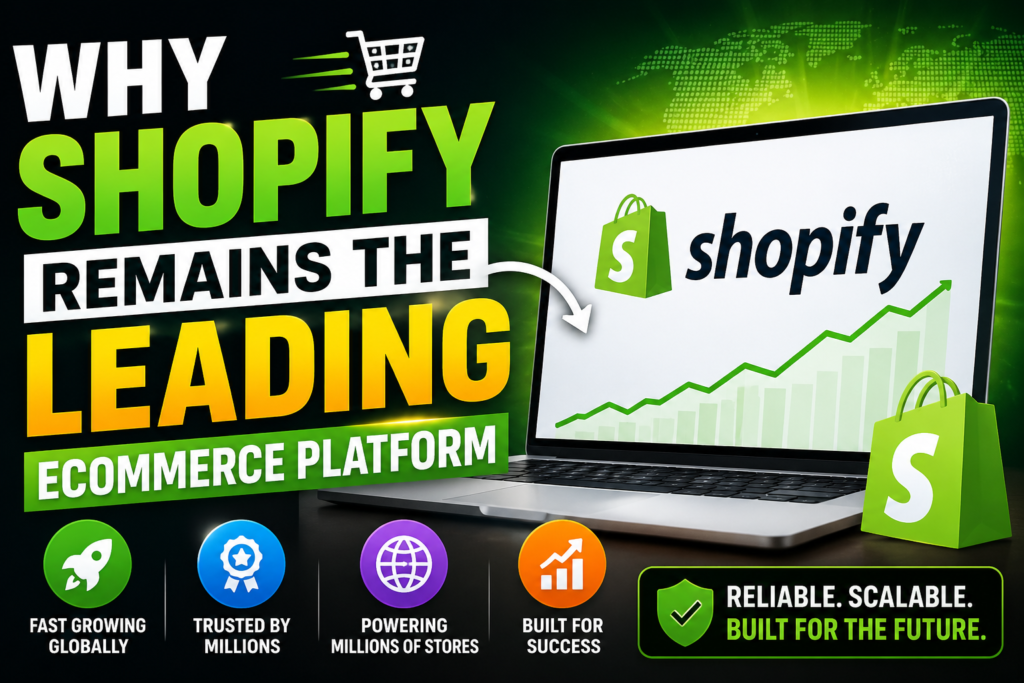
There is a reason why entrepreneurs, global brands, and even celebrities continue choosing Shopify for ecommerce. The platform combines simplicity with scalability, which means a beginner can launch a store quickly while large businesses can handle millions in sales without switching systems. Shopify has evolved from a simple online store builder into a complete commerce ecosystem that includes AI-powered tools, advanced analytics, multichannel selling, and app integrations.
One of Shopify’s biggest strengths is flexibility. A small clothing startup and a massive electronics retailer can both use the same platform but create entirely different shopping experiences. This adaptability comes from themes and apps. Themes shape the visual identity of the store, while apps extend functionality with features like SEO optimization, email marketing, inventory management, customer reviews, and automated sales funnels.
The rise of mobile shopping has also pushed Shopify ahead of competitors. Customers now expect websites to load instantly and work perfectly on smartphones. Shopify themes are designed with mobile responsiveness in mind, making it easier for businesses to deliver a seamless shopping experience. Research from recent ecommerce reports consistently shows that slow-loading stores lose conversions rapidly. Even a one-second delay can reduce customer satisfaction and sales dramatically.
Why Beginners and Experts Prefer Shopify
Shopify appeals to both beginners and advanced ecommerce professionals because it removes technical complexity. You do not need coding knowledge to create a professional online store. The drag-and-drop editor, customizable themes, and app marketplace simplify the process significantly.
For beginners, Shopify offers a low barrier to entry. You can select a theme, upload products, install apps, and start selling within hours. For experienced users, Shopify provides advanced customization options, integrations, and automation tools that support large-scale growth.
Another important factor is reliability. Shopify stores are hosted securely with fast servers and built-in payment systems. Unlike self-hosted ecommerce platforms where store owners manage updates and security manually, Shopify handles most technical maintenance automatically. This lets business owners focus on marketing, customer service, and product development instead of server issues and software bugs.
What Makes a Shopify Store Look Professional
Design and User Experience
A professional online store is not just about aesthetics. It is about trust. Customers subconsciously judge your business based on design quality. If your website looks cluttered, outdated, or difficult to navigate, visitors may assume your products or services are unreliable too.
Professional Shopify stores share several characteristics. They use clean layouts, high-quality product images, readable typography, consistent branding, and intuitive navigation. The best stores make shopping effortless. Customers should be able to find products quickly, understand pricing clearly, and complete checkout without confusion.
Themes play a major role here. A good Shopify theme creates visual hierarchy, highlights important products, and guides users naturally toward purchase decisions. Think of your theme like the architecture of a physical store. A luxury boutique and a discount warehouse are designed differently because they target different audiences.
Many successful ecommerce brands also prioritize storytelling. Themes like Prestige and Motion are especially popular because they allow businesses to create immersive shopping experiences with videos, animations, and editorial-style layouts. These features help brands connect emotionally with customers instead of simply displaying products.
Mobile Optimization and Store Speed
In e-commerce, mobile optimization is becoming a must.Most online shoppers now browse and buy directly from smartphones. A theme that looks beautiful on desktop but performs poorly on mobile will damage your conversion rates significantly.
Speed is equally critical. Studies repeatedly show that users abandon websites that take too long to load. Shopify themes like Dawn have gained popularity because they balance visual appeal with fast loading times.
Professional stores minimize unnecessary animations, oversized images, and excessive app installations. Every app added to your store can affect performance. That is why successful Shopify merchants focus on lightweight, efficient tools instead of filling their stores with dozens of plugins.
How to Choose the Right Shopify Theme
Free vs Premium Themes
One of the first decisions store owners face is whether to use a free or premium Shopify theme. Free themes are ideal for beginners because they provide essential functionality without upfront investment. Shopify’s official free themes are optimized for performance and updated regularly.
Premium themes, however, offer advanced design flexibility, built-in sales features, and niche-specific layouts. They typically range from $150 to $500, but the investment often pays off through higher conversions and better user experiences.
Here is a comparison of free and premium Shopify themes:
| Feature | Free Themes | Premium Themes |
| Cost | Free | Paid |
| Customization | Basic | Advanced |
| Built-In Features | Limited | Extensive |
| Design Flexibility | Moderate | High |
| Best For | Beginners | Growing Brands |
| Support | Standard | Premium |
Choosing between free and premium depends largely on your business goals. If you are testing a new idea, a free theme may be enough. If you are building a serious brand with long-term ambitions, investing in a premium theme can provide a competitive advantage.
Industry-Specific Theme Selection
Not all themes work equally well for every industry. Fashion brands often require visually rich layouts, while electronics stores may prioritize product filtering and technical specifications.
For example:
- Impulse works exceptionally well for promotion-heavy stores.
- Prestige is ideal for luxury and fashion brands.
- Motion focuses on storytelling and animations.
- Warehouse is suited for large inventories.
- Sense performs well for beauty and skincare brands.
Selecting a theme tailored to your niche improves user experience and reduces the need for additional customization later.
Best Free Shopify Themes in 2026
Dawn
Dawn remains one of the best free Shopify themes available today. It is fast, minimalist, and designed specifically for modern ecommerce needs. Shopify developed Dawn with performance-first principles, which means it avoids unnecessary bloat while supporting flexible customization.
One of Dawn’s greatest strengths is speed optimization. Many ecommerce stores fail because they overload pages with heavy features and complicated designs. Dawn keeps things clean and efficient. This improves SEO rankings and user experience simultaneously.
The theme also supports large product imagery, media-focused layouts, and responsive mobile design. For startups and small businesses, Dawn provides an excellent balance between professionalism and simplicity.
Refresh
Refresh is especially popular among health, beauty, and wellness brands. It uses clean layouts with bold typography and product-focused design elements that help brands communicate trust and quality effectively.
The theme includes sections for product highlights, testimonials, and educational content. This makes it ideal for stores that need to explain ingredients, benefits, or technical product details. Since modern customers research products extensively before buying, themes like Refresh help businesses educate while selling.
Sense
Sense is another excellent free Shopify theme designed for beauty and wellness businesses. It offers soft design aesthetics, large visuals, and conversion-friendly layouts that feel approachable and modern.
The theme includes enhanced search capabilities, promotional banners, and flexible product grids. Store owners who want a polished appearance without paying for premium themes often choose Sense because it delivers premium-style visuals at zero cost.
Best Premium Shopify Themes in 2026

Impulse
Impulse consistently ranks among the top Shopify premium themes because it focuses heavily on conversions. It is especially effective for stores running frequent promotions, flash sales, and seasonal campaigns.
Features like promotional banners, advanced filtering, countdown timers, and collection organization help merchants increase average order value and encourage faster purchases. Stores with large product catalogs benefit greatly from Impulse because navigation remains smooth even with hundreds of products.
Impulse also performs well on mobile devices, which is crucial for modern ecommerce success. Customers browsing on smartphones can navigate products easily without feeling overwhelmed.
Prestige
Prestige is often described as the luxury fashion theme for Shopify. It is designed for brands that want elegant storytelling, editorial layouts, and sophisticated visual presentation.
Luxury shoppers expect premium experiences, and Prestige delivers exactly that. The theme supports high-resolution images, smooth animations, lookbooks, and immersive product pages. It feels more like browsing a digital magazine than a traditional ecommerce store.
Many successful jewelry, skincare, and designer fashion brands rely on Prestige because it creates emotional engagement. Customers do not just buy products; they buy into the lifestyle and identity presented by the brand.
Motion
Motion is perfect for brands that rely heavily on storytelling and visual engagement. Video banners, animations, and dynamic layouts create interactive experiences that capture attention immediately.
This theme works especially well for lifestyle brands, fitness companies, and creative businesses. Motion helps brands communicate energy and personality in ways that static designs cannot achieve.
The key advantage of Motion lies in emotional connection. Shoppers are more likely to remember brands that create immersive experiences instead of generic product grids.
Essential Shopify Apps for Every Store
SEO Apps
Search engine optimization is essential for long-term ecommerce growth. Without SEO, your store relies entirely on paid advertising, which becomes expensive quickly.
Popular Shopify SEO apps help optimize meta titles, image alt text, structured data, and keyword targeting. Some also provide technical SEO audits that identify issues affecting search rankings.
SEO apps are particularly valuable because ecommerce stores often contain hundreds of pages. Manually optimizing every product page would take enormous time. Automation tools simplify this process significantly.
Email Marketing Apps
Email marketing remains one of the highest ROI channels in ecommerce. Apps like Klaviyo and Privy help store owners capture leads, automate abandoned cart reminders, and send personalized campaigns.
A strong email strategy transforms one-time buyers into repeat customers. Automated workflows can welcome new subscribers, recommend products based on browsing behavior, and encourage customer retention without constant manual effort.
The best email apps integrate directly with Shopify, allowing businesses to segment audiences and track customer behavior accurately.
Product Review Apps
Customer reviews build trust faster than almost any other feature. Shoppers often hesitate before buying from unfamiliar stores, especially when products are expensive.
Apps like Judge.me and Loox display verified reviews, ratings, and user-generated photos directly on product pages. This social proof increases credibility and boosts conversions significantly.
Modern consumers trust peer recommendations more than brand claims. Seeing real customer experiences reduces uncertainty and encourages purchases.
Upsell and Conversion Apps
Upsell apps increase revenue by encouraging customers to purchase additional products or upgrades. Features like “Frequently Bought Together” and post-purchase offers can raise average order value substantially.
Countdown timers, stock alerts, and urgency banners also influence purchasing decisions psychologically. Shopify’s app ecosystem includes many tools designed specifically for improving conversions through behavioral triggers.
Best Shopify Apps for Store Design
Countdown Timers and Urgency Tools
Urgency is a powerful sales driver in ecommerce. Countdown timer apps create limited-time offers that encourage faster purchasing decisions. According to the Shopify App Store, countdown timer apps remain among the most popular store design tools.
The psychology behind urgency is simple. Customers fear missing opportunities. Flash sales, low-stock notifications, and time-sensitive discounts create emotional pressure that motivates action.
When used carefully, urgency tools can increase conversions dramatically. The key is authenticity. Fake scarcity damages customer trust quickly.
Landing Page Builders
Landing page builder apps allow store owners to create custom pages without coding. These tools are especially useful for promotions, seasonal campaigns, and product launches.
Instead of relying solely on default theme layouts, merchants can design highly targeted pages optimized for specific audiences. Drag-and-drop editors simplify the process significantly.
Strong landing pages combine compelling visuals, persuasive copy, and clear calls to action. They guide visitors toward a single objective instead of distracting them with unnecessary navigation.
Shopify Apps for Automation and Customer Support
AI Chatbots
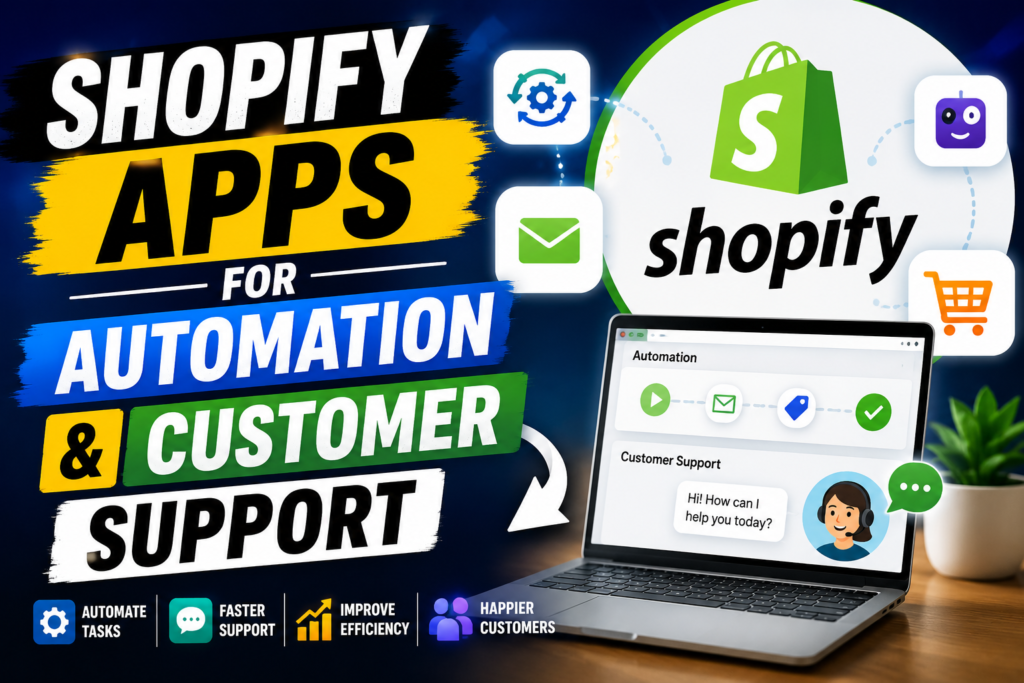
AI-powered chatbots are becoming increasingly common in ecommerce. These tools answer customer questions instantly, recommend products, and assist with order tracking.
Modern shoppers expect immediate responses. Delayed support can lead to abandoned purchases. AI chatbots improve customer experience while reducing workload for support teams.
Some advanced chatbot apps integrate with customer behavior data, enabling personalized recommendations and automated upselling opportunities.
Read More:-
Why Should You Consider Elementor for Your Next Web Project?
How Can Simvoly Elevate Your Digital Product Store Experience?
LiveChat: Transforming Customer Support for Digital Entrepreneurs
Why ContentStudio & Leadpages Are Essential for E-commerce Success
How Does Strikingly Simplify the Website Building Process?
Building Your Dream Website with Site123
Inventory and Order Automation
Managing inventory manually becomes difficult as stores grow. Automation apps help synchronize stock levels, process orders, and track shipments efficiently.
These tools reduce human errors and improve operational efficiency. Businesses handling large product catalogs benefit especially from automation because manual inventory management quickly becomes overwhelming.
Automation also improves scalability. A store processing 50 orders per month requires different systems than one handling 5,000 orders monthly.
Common Mistakes to Avoid When Choosing Themes and Apps
Many Shopify store owners damage their websites unintentionally by making poor theme and app decisions. One common mistake is prioritizing aesthetics over performance. A visually impressive store means little if pages load slowly or confuse customers.
Another major issue is app overload. Installing too many apps creates compatibility conflicts, slows website speed, and complicates management. Store owners should focus on essential tools that provide measurable value instead of chasing every new feature.
Ignoring mobile optimization is another costly mistake. Since most ecommerce traffic comes from smartphones, stores must deliver flawless mobile experiences. Testing your store regularly on different devices is critical.
Many beginners also choose themes without considering long-term scalability. A theme that works for ten products may struggle with hundreds of SKUs later. Thinking ahead saves time and money in the future.



Conclusion
Building a professional Shopify store is about much more than selecting attractive colors and uploading products. Your theme determines how customers perceive your brand, while your apps shape the shopping experience behind the scenes.
The best Shopify themes in 2026 combine speed, flexibility, and mobile optimization. Themes like Dawn, Prestige, Motion, and Impulse continue leading the market because they balance aesthetics with performance. At the same time, essential apps for SEO, reviews, email marketing, automation, and upselling help stores grow sustainably.
The most successful ecommerce stores focus on simplicity, trust, and user experience. They avoid unnecessary clutter and prioritize tools that genuinely improve customer journeys. A professional online store should feel smooth, intuitive, and trustworthy from the first click to the final checkout.
If you choose the right combination of Shopify themes and apps, your online store can become far more than just a website. It can become a scalable digital brand that attracts loyal customers and drives long-term growth.
FAQs
Q. Which Shopify theme is best for beginners?
A. Dawn is widely considered the best free Shopify theme for beginners because it is lightweight, fast, and easy to customize without coding knowledge.
Q. Are premium Shopify themes worth the money?
A. Yes, premium themes often include advanced features, better design flexibility, and improved conversion tools that can increase sales and enhance user experience.
Q. What are the most important Shopify apps for a new store?
A. SEO apps, email marketing tools, product review apps, and upsell apps are among the most essential for improving visibility, trust, and conversions.
Q. How many Shopify apps should I install?
A. Install only the apps you genuinely need. Too many apps can slow your store and create technical conflicts that hurt performance.
Q. Can Shopify stores rank well on Google?
A. Absolutely. Shopify stores can perform very well in search engines when optimized properly with fast themes, SEO apps, quality content, and strong user experiences.