
Discover how Headway: Fun & Easy Growth helps improve productivity, mindset, and daily habits through bite-sized learning and motivational book summaries. This blog post explores the app’s features, benefits, user experience, and whether it’s worth using for personal growth in 2026.
Table of Contents
- What Is Headway and Why Is It So Popular?
- How Headway Works
- The Science Behind Productivity and Microlearning
- Can Headway Improve Productivity?
- Can Headway Improve Mindset?
- Real User Experiences and Reviews
- Headway vs Other Self-Growth Apps
- Is Headway Worth the Subscription Price?
- Best Ways to Use Headway for Maximum Results
- Conclusion
- FAQs
What Is Headway and Why Is It So Popular?
Headway Official Website has exploded in popularity because it addresses one of modern society’s biggest struggles: the lack of time. Most people want to grow personally and professionally, but long books, online courses, and traditional learning methods often feel overwhelming. Headway simplifies the entire process by turning bestselling nonfiction books into short, digestible summaries that can be consumed in about 15 minutes. According to app store data and company reports, the platform has surpassed 50 million downloads worldwide, making it one of the most downloaded microlearning apps in its niche.
The Rise of Microlearning Apps
Microlearning has become the Netflix version of education. Instead of sitting through lengthy lessons, users consume quick pieces of information that fit easily into daily life. Think about it like snacking instead of eating a massive buffet. People are busy juggling careers, relationships, stress, and endless notifications. Because of that, smaller learning sessions feel less intimidating and more achievable.
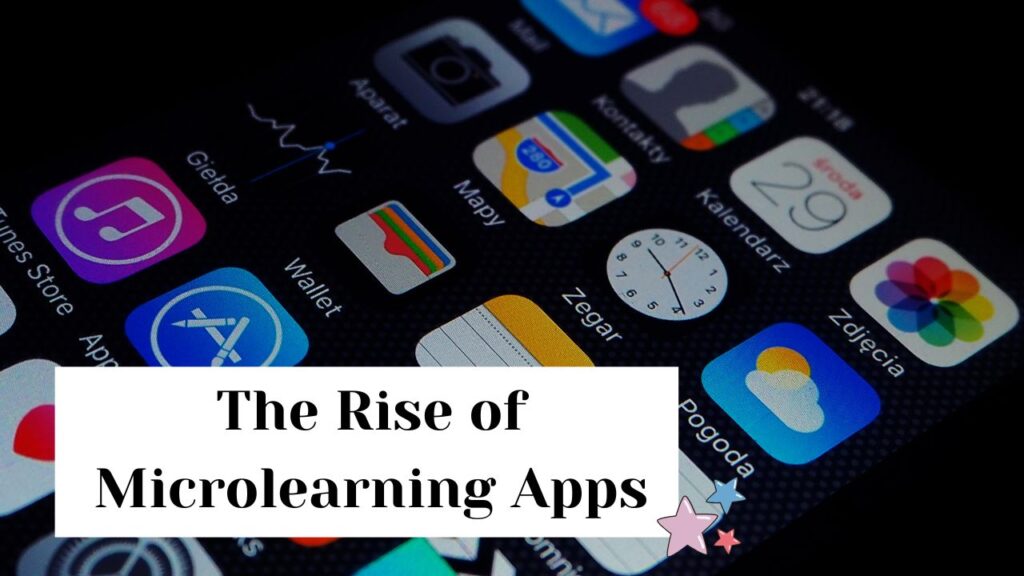
Apps like Headway tap into this behavioral shift perfectly. Instead of demanding hours of commitment, they ask for only a few minutes a day. That small psychological barrier makes it easier for users to stay consistent. Consistency, after all, is the secret sauce behind productivity and mindset improvement. Even 15 minutes of focused learning every day adds up dramatically over months.
Key Features That Make Headway Stand Out
Headway isn’t just a library of summaries. The app includes audio versions, personalized learning plans, daily challenges, progress tracking, streak systems, spaced repetition flashcards, and gamified growth experiences. These features create an environment where learning feels rewarding rather than exhausting.
The colorful interface and highly visual design also play a major role. Many educational apps feel cold or academic, but Headway feels energetic and modern. It almost resembles a fitness app for the brain. This matters because user experience strongly influences habit formation. When something feels fun and accessible, people are far more likely to return to it daily.
How Headway Works
Understanding how Headway operates helps explain why many users claim it improves both productivity and mindset. The app is built around simplicity and convenience. Instead of overwhelming users with endless information, it focuses on delivering actionable insights quickly.
Bite-Sized Book Summaries
Headway condenses popular nonfiction books into summaries that highlight the key lessons and practical takeaways. Topics range from productivity and leadership to emotional intelligence, confidence, business, communication, and mental health. Rather than reading hundreds of pages, users absorb the core ideas in under 15 minutes.
This structure is particularly useful for busy professionals and students. Imagine learning the main principles of books like Atomic Habits or Deep Work during a lunch break or commute. It removes the friction associated with traditional reading while still exposing users to valuable concepts.
The summaries are intentionally designed to focus on actionable advice rather than unnecessary filler. That means users can immediately apply lessons in real life. Productivity often improves when learning leads directly to action instead of remaining theoretical knowledge sitting unused in the brain.
Audio Learning and On-the-Go Education
One of Headway’s strongest features is audio learning. Users can listen to summaries while driving, exercising, cleaning, or commuting. This transforms “dead time” into productive learning opportunities.
Modern life is packed with tiny moments that usually disappear into social media scrolling. Headway helps reclaim those moments. Instead of spending 30 minutes consuming random videos online, users can absorb ideas about leadership, focus, habits, or emotional resilience. Over time, this changes the overall quality of mental input.
Audio learning also reduces the psychological resistance associated with reading. Some people struggle to sit down and concentrate on text after a long day. Listening feels lighter and easier. That accessibility makes learning more sustainable in the long run.
Gamification and Daily Challenges
Headway uses gamification techniques similar to fitness and language-learning apps. Users build streaks, complete challenges, and track progress visually. While this may sound simple, it taps deeply into human psychology.
People naturally enjoy achievement systems. Completing challenges creates small dopamine rewards, which reinforce positive behavior. The app essentially turns self-improvement into a game. Instead of forcing discipline through willpower alone, it creates motivation through engagement and momentum.
This is important because productivity is rarely about giant breakthroughs. More often, it’s about maintaining small consistent habits over time. Gamification encourages exactly that kind of consistency.
The Science Behind Productivity and Microlearning
There’s actual science supporting why apps like Headway can influence productivity and mindset. The concept isn’t just marketing hype. Human attention spans, motivation systems, and memory retention all benefit from shorter, focused learning experiences.
Why Short Learning Sessions Work
The brain struggles with overload. Long study sessions often reduce focus and retention because mental fatigue sets in quickly. Short learning sessions, on the other hand, are easier to process and remember. Researchers studying microlearning have found that smaller educational units improve engagement and reduce cognitive burnout.
Think of the brain like a sponge. Pour too much water too quickly, and it spills everywhere. Add information gradually, and absorption improves dramatically. Headway’s 15-minute summaries align perfectly with this idea.
Short learning also fits naturally into modern schedules. When tasks feel manageable, people are less likely to procrastinate. Reading an entire book may feel overwhelming, but listening to one short summary feels achievable. That small shift in perception increases follow-through.
Dopamine, Habits, and Motivation
Apps like Headway are carefully designed around habit psychology. Each completed summary, streak milestone, or challenge activates reward systems in the brain. These small wins trigger dopamine release, reinforcing the desire to continue learning.
This matters because motivation often fades quickly when progress feels invisible. Headway solves that by constantly showing users measurable progress. Small achievements create momentum, and momentum fuels consistency.
Habit experts often say that identity changes through repeated action. Someone who learns daily begins to see themselves as a learner. That identity shift can dramatically influence productivity and mindset over time.
Can Headway Improve Productivity?
This is the main question that most people ask before downloading the app. The answer depends on how productivity is defined. Headway won’t magically make someone disciplined overnight, but it absolutely has the potential to improve productivity habits and mental clarity.
Time Efficiency for Busy People
One of the app’s biggest strengths is efficiency. Traditional reading requires uninterrupted time, which many people struggle to find. Headway removes that barrier by making learning flexible and mobile-friendly.

Instead of waiting for the “perfect time” to read, users can learn during everyday activities. This creates a feeling of productive momentum throughout the day. Tiny learning sessions accumulate like compound interest. 15 minutes a day adds up to over 90 hours of learning every year!
That time efficiency can reshape routines dramatically. People who previously consumed passive entertainment during spare moments may start replacing it with intentional growth.
Replacing Doomscrolling With Learning
Perhaps the most underrated benefit of Headway is its ability to reduce mindless scrolling. Social media often floods the brain with negativity, distraction, and comparison. Headway offers a healthier alternative.
The app itself even markets this concept heavily, encouraging users to replace “doomscrolling” with microlearning. That shift matters more than many people realize. The information consumed daily directly shapes mental patterns, focus levels, and emotional states.
Imagine feeding your brain productivity strategies and emotional intelligence lessons instead of endless random content. Over time, that changes thought patterns and decision-making behavior.
Building Better Daily Habits
Consistency is the foundation of productivity. Headway’s streak system and daily reminders encourage users to maintain routines. These tiny habits often spill into other areas of life.
Someone who commits to daily learning may also become more disciplined with exercise, work organization, journaling, or goal tracking. Habits tend to cluster together. Positive momentum in one area frequently spreads elsewhere.
The app acts like a gateway into broader self-improvement practices. It’s less about becoming a genius overnight and more about gradually shifting daily behavior toward growth.
Latest Post



Can Headway Improve Mindset?
Mindset is heavily influenced by repeated exposure to ideas, environments, and self-talk. Headway provides daily exposure to motivational and educational content, which can significantly shape mental perspectives over time.
Exposure to Positive Ideas
Most Headway summaries focus on personal development, resilience, productivity, psychology, leadership, and emotional intelligence. Repeated exposure to these topics can influence the way users interpret challenges and setbacks.
If someone constantly consumes empowering ideas, they begin thinking differently. The brain absorbs patterns from repeated input. Just as negativity can shape a pessimistic mindset, positive educational content can foster optimism and growth-oriented thinking.
This doesn’t mean the app is a miracle cure for stress or mental health struggles. But it can absolutely contribute to healthier mental habits and greater self-awareness.
Mental Reframing Through Daily Learning
Many self-help books focus on reframing limiting beliefs and destructive thought patterns. Headway introduces these concepts in digestible pieces, making them easier to absorb and revisit regularly.
For example, users might learn about growth mindset principles, emotional regulation techniques, or confidence-building strategies. These insights can influence reactions to daily situations. Users can learn to see failure as a step in the learning process, not as a sign of inadequacy.
Mindset shifts rarely happen instantly. They develop gradually through repetition and reflection. Headway supports this by creating consistent exposure to constructive ideas.
Confidence and Personal Growth
Learning itself boosts confidence. When people feel mentally engaged and continuously improving, self-esteem often rises naturally. Headway users frequently report feeling more motivated, inspired, and mentally sharp after developing a learning routine.
The app’s structure also makes growth feel achievable. Instead of intimidating users with huge educational commitments, it creates manageable wins. That sense of progress can strengthen confidence significantly.
Read More:-
Yas Water World (US) Ticket Prices, Offers & Packages
Best Korean Skincare Products to Buy on Stylevana
Vivint (US) Pricing Explained: Plans, Costs & Features
What is Go2Africa (US)? Complete Travel Guide for Beginners
Is Active Campaign the Right Solution for Your Email Automation Needs?
Real User Experiences and Reviews
No app is perfect, and Headway receives both praise and criticism from users. Looking at real feedback provides a balanced perspective.
Positive Feedback From Users
Many users love Headway because it simplifies learning. Reviews consistently praise the app’s design, ease of use, audio quality, and motivational structure. Users often describe the app as inspiring and addictive in a positive way.
Another common compliment involves flexibility. People appreciate being able to learn during commutes, workouts, or breaks. Busy professionals especially value the app’s efficiency.
The gamified features also receive strong praise. Daily streaks and progress tracking make users feel accountable and motivated.
Common Complaints and Criticism
The biggest criticism is depth. Some users argue that summaries cannot fully replace reading complete books. That criticism is valid. Summaries provide key insights, but they naturally omit nuance, storytelling, and detailed arguments.
Pricing is another complaint. Some users dislike subscription costs or automatic renewals. Others wish the app offered more free content before requiring payment.

Certain reviewers also mention that audio narration quality varies depending on the summary. Still, overall ratings remain highly positive across app stores.
Headway vs Other Self-Growth Apps
The self-improvement app market is crowded, so comparisons matter.
| App | Main Strength | Best For | Weakness |
| Headway | Gamified microlearning | Busy learners | Less depth |
| Blinkist | Large summary library | Quick book insights | More corporate feel |
| Shortform | Deep book analysis | Serious learners | Higher time commitment |
| Audible | Full audiobooks | Detailed learning | Requires more time |
Headway vs Blinkist
Blinkist and Headway both focus on nonfiction summaries, but Headway feels more playful and visually engaging. Blinkist often appeals more to corporate professionals, while Headway emphasizes habit-building and motivation.
Headway vs Shortform
Shortform provides deeper analysis and exercises, making it better for users who want comprehensive understanding. Headway wins in convenience and accessibility.
Headway vs Audible
Audible offers full-length audiobooks rather than summaries. It’s ideal for people who enjoy immersive learning experiences. Headway works better for quick insights and busy schedules.
Is Headway Worth the Subscription Price?
Whether Headway is worth paying for depends largely on personal goals and lifestyle.
Pricing Breakdown
Headway typically offers monthly and annual subscription plans, though pricing can vary based on promotions and regions. Some reports estimate yearly pricing around $70–$90, while promotional lifetime deals occasionally appear.
Compared to buying multiple self-help books annually, the subscription may actually save money for avid learners.
Who Should Buy It
Headway is best suited for:
- Busy professionals
- Students
- Entrepreneurs
- Habit-builders
- People who struggle to finish books
- Anyone wanting structured personal growth
It may not satisfy readers who love deep analysis and detailed storytelling. Those users may prefer full books or platforms like Shortform.
Best Ways to Use Headway for Maximum Results
The app works best when used intentionally rather than casually.
Creating a Learning Routine
Consistency beats intensity. Instead of binge-learning randomly, users should build a simple daily routine. Listening to one summary every morning or during commutes creates steady growth.
Pairing Headway with journaling or note-taking can also improve retention significantly.
Combining Headway With Goal Setting
Learning without action creates little change. The best strategy is connecting summaries directly to personal goals.
For example:
- Productivity summaries can improve work habits
- Communication summaries can improve relationships
- Confidence summaries can support career growth
Applying one lesson daily creates meaningful real-world transformation.
Conclusion
Headway succeeds because it aligns perfectly with modern lifestyles. People are busy, distracted, and overwhelmed, yet they still crave personal growth. Headway bridges that gap by making learning simple, engaging, and accessible.
Can it improve productivity and mindset? Yes — especially when used consistently. The app encourages better habits, reduces mindless scrolling, promotes daily learning, and exposes users to empowering ideas. It won’t replace full books or instantly transform someone into a productivity machine, but it can absolutely create positive mental momentum.
The true power of Headway lies in consistency. Tiny improvements repeated daily often create massive long-term change. Like planting seeds in a garden, small lessons eventually grow into stronger habits, clearer thinking, and a healthier mindset.
FAQs
Q. Is Headway better than reading full books?
A. Not necessarily. Headway is best for quick learning and discovering ideas fast. Full books provide deeper understanding and detail.
Q. Can Headway really improve productivity?
A. Yes, especially by helping users build learning habits, reduce social media distractions, and apply productivity strategies from bestselling books.
Q. Does Headway help with mindset improvement?
A. It can positively influence mindset through repeated exposure to motivational and educational concepts related to growth, confidence, and emotional intelligence.
Q. Is Headway suitable for students?
A. Absolutely. Students can use the app to learn faster, improve focus, and gain insights from books without spending hours reading.
Q. Is Headway worth paying for in 2026?
A. For busy learners who value convenience and habit-building, many users consider it worth the subscription cost.