

Discover how the Gentle Herd initiative is transforming livestock farming by blending traditional wisdom with modern innovation. This blog explores sustainable practices, ethical animal care, and the role of technology in creating a balanced and future-ready agricultural system. Perfect for readers interested in eco-friendly farming and rural development, the Gentle Herd approach highlights how progress and tradition can work hand in hand for long-term success.
Table of Contents
- Understanding the Concept of the Gentle Herd Initiative
- The Role of Traditional Knowledge in Livestock Management
- Modern Challenges in Livestock and Agriculture
- Bridging Tradition with Technology
- Sustainable Livestock Practices
- Community Empowerment Through the Initiative
- Government Policies and Support Systems
- Case Studies and Real-World Examples
- Challenges in Implementing the Gentle Herd Initiative
- The Future of Gentle Herding
- Conclusion
- FAQs
Understanding the Concept of the Gentle Herd Initiative
What Does “Gentle Herd” Really Mean?
The phrase “Gentle Herd Initiative” might sound poetic at first, but it carries a powerful meaning rooted in sustainability, compassion, and innovation. Imagine a system where livestock farming isn’t just about productivity but about harmony—between humans, animals, and the environment. That’s exactly what this initiative strives to achieve. It emphasizes ethical animal care, minimal environmental impact, and the integration of traditional wisdom with modern practices.
At its core, the initiative challenges the aggressive, industrial approach to farming. Instead of maximizing output at any cost, it promotes a more balanced system. Think of it like switching from fast food to home-cooked meals—it may take more thought and care, but the results are healthier and more sustainable. This approach aligns closely with global movements toward sustainable agriculture and climate resilience, which are becoming increasingly critical in today’s world.
Origins and Inspiration Behind the Initiative
The inspiration behind the Gentle Herd Initiative comes from centuries-old practices followed by pastoral communities. These communities have long understood how to maintain a balance with nature, using methods that ensure both productivity and sustainability. Their practices are not just techniques—they are deeply rooted cultural traditions passed down through generations.
However, as modernization swept across agriculture, many of these practices were sidelined in favor of mechanization and mass production. The initiative emerges as a response to this shift, aiming to reconnect modern farming with its traditional roots. It’s not about rejecting progress but about redefining it—blending the old with the new to create a more resilient future.
The Role of Traditional Knowledge in Livestock Management
Indigenous Practices and Wisdom
Traditional knowledge in livestock management is like a hidden treasure—often overlooked but incredibly valuable. Indigenous herders have developed techniques that are finely tuned to their local environments. These include rotational grazing, natural breeding methods, and herbal treatments for animal health. Such practices not only ensure animal well-being but also maintain ecological balance.
What makes this knowledge so powerful is its adaptability. Unlike rigid industrial systems, traditional methods evolve with the environment. For example, pastoralists often adjust grazing patterns based on seasonal changes, ensuring that land is not overused. This kind of dynamic decision-making is something modern systems are still trying to replicate.
Cultural Significance of Herding Communities
Herding is not just an occupation—it’s a way of life. For many communities, livestock represents identity, heritage, and survival. The relationship between herders and their animals is built on trust and respect, not just utility. This cultural connection fosters a level of care that is often missing in industrial farming systems.
In many parts of the world, including India, livestock farming plays a crucial role in rural livelihoods. Women, in particular, contribute significantly to animal care, feeding, and management. In fact, a large percentage of rural women are actively involved in agriculture and livestock activities, making them key stakeholders in sustainable development.
Modern Challenges in Livestock and Agriculture
Climate Change and Environmental Stress
Let’s face it—climate change is no longer a distant threat; it’s a present reality. Rising temperatures, unpredictable rainfall, and shrinking grazing lands are putting immense pressure on livestock systems. Traditional practices, while resilient, are also being tested like never before.
The Gentle Herd Initiative recognizes these challenges and seeks to address them through a combination of traditional resilience and modern innovation. By integrating climate-smart practices, such as drought-resistant fodder and efficient water management, the initiative aims to make livestock farming more adaptable.
Industrialization vs Sustainability
Industrial farming has undoubtedly increased productivity, but it has also brought significant downsides. Overcrowding, excessive use of antibiotics, and environmental degradation are just a few of the issues associated with large-scale operations. It’s like running a machine at full speed without considering wear and tear—it works for a while, but eventually, something breaks.
The Gentle Herd Initiative offers an alternative—a system that prioritizes long-term sustainability over short-term gains. It encourages farmers to adopt practices that are not only productive but also environmentally and ethically sound.
Bridging Tradition with Technology
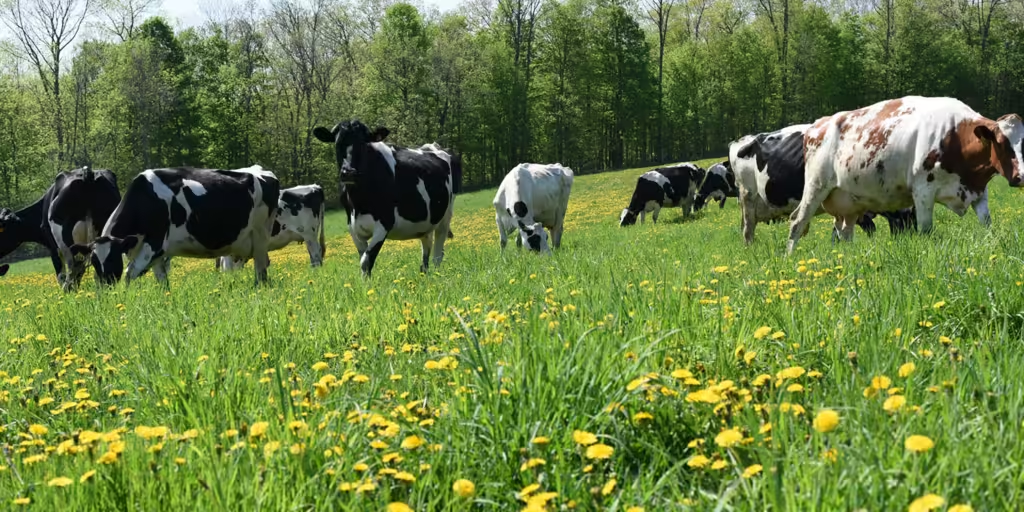
Smart Farming and Data Integration
Now, here’s where things get really interesting. What happens when ancient wisdom meets cutting-edge technology? You get a powerful combination that can transform livestock management. Smart farming tools, such as sensors and data analytics, allow farmers to monitor animal health, track grazing patterns, and optimize resource use.
This doesn’t replace traditional knowledge—it enhances it. Think of it as giving a seasoned farmer a high-tech toolkit. Their experience guides the decisions, while technology provides the data to back them up.
Use of AI and IoT in Herd Management
The use of Artificial Intelligence (AI) and the Internet of Things (IoT) is revolutionizing herd management. Sensors can track an animal’s movement, temperature, and feeding habits, providing real-time insights. AI algorithms can then analyze this data to detect potential health issues before they become serious.
This proactive approach not only improves animal welfare but also increases efficiency. It’s like having a 24/7 assistant who never misses a detail. When combined with traditional practices, these technologies create a system that is both intelligent and intuitive.
Sustainable Livestock Practices
Ethical Treatment of Animals
One of the key pillars of the Gentle Herd Initiative is the ethical treatment of animals. This means providing adequate space, proper nutrition, and humane handling. It’s about recognizing animals as living beings, not just production units.
Ethical practices also have practical benefits. Healthier animals produce better-quality products, whether it’s milk, meat, or wool. It’s a win-win situation—better for the animals and better for the farmers.
Reducing Environmental Impact
Livestock farming has often been criticized for its environmental footprint, particularly in terms of greenhouse gas emissions. The initiative addresses this by promoting practices such as rotational grazing, organic feed, and waste management systems.
These methods not only reduce emissions but also improve soil health and biodiversity. It’s like turning a problem into an opportunity—using livestock farming as a tool for environmental restoration rather than degradation.
Community Empowerment Through the Initiative
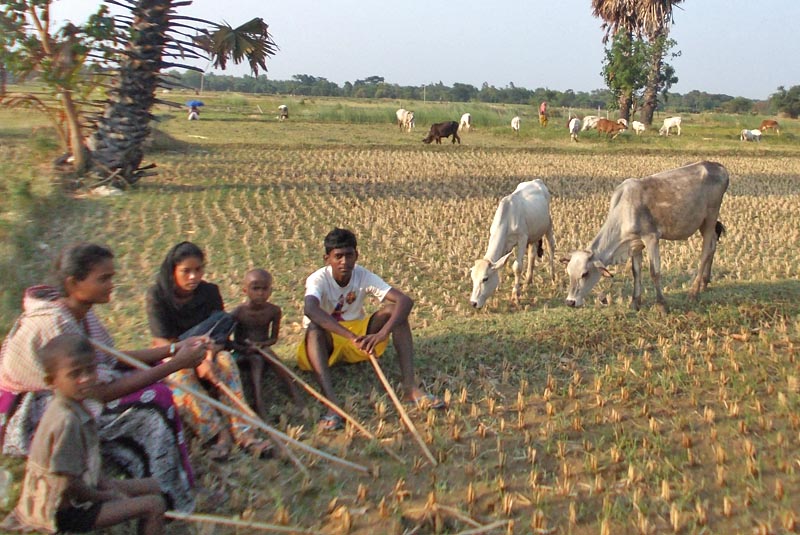
Role of Women in Livestock Sector
Women are the backbone of rural livestock systems, yet their contributions often go unrecognized. The Gentle Herd Initiative places a strong emphasis on empowering women by providing access to resources, training, and decision-making opportunities.
When women are empowered, entire communities benefit. They bring unique perspectives and skills that enhance productivity and sustainability. It’s not just about equality—it’s about unlocking potential.
Economic Benefits for Rural Communities
Livestock farming is a major source of income for rural households. By adopting sustainable practices, farmers can improve productivity while reducing costs. This leads to higher profits and greater financial stability.
The initiative also opens up new opportunities, such as organic products and eco-friendly branding. Consumers are increasingly willing to pay a premium for ethically produced goods, creating a market advantage for farmers.
Government Policies and Support Systems
Global and Local Initiatives
Governments and organizations around the world are recognizing the importance of sustainable livestock systems. Policies that support training, funding, and research are crucial for the success of initiatives like this.
From subsidies for eco-friendly practices to programs that promote traditional knowledge, these efforts create an environment where innovation and tradition can thrive together.
Read More:-
Plan Your Perfect Road Trip with Roadtrippers.com
LambdaTest (US): Your Trusted Testing Companion
CJdropshipping (US): Your Gateway to Dropshipping Success
CrediMaxx DE: Where Your Financial Dreams Begin
Experience Innovation with Eyekepper Global Inc
Case Studies and Real-World Examples
Success Stories from Rural Regions
Across the globe, there are inspiring examples of communities that have successfully implemented principles similar to the Gentle Herd Initiative. These success stories demonstrate that it’s not just a theory—it’s a practical, scalable solution.
Farmers who have adopted these practices report improved animal health, increased productivity, and better environmental outcomes. It’s proof that when tradition and progress come together, the results can be transformative.
Challenges in Implementing the Gentle Herd Initiative
Resistance to Change
Change is never easy, especially when it involves shifting long-standing practices. Some farmers may be hesitant to adopt new methods, fearing risks or uncertainties.
Overcoming this resistance requires education, support, and clear evidence of benefits. Demonstration projects and success stories can play a crucial role in building trust.
Financial and Technological Barriers
Access to technology and funding can be a significant challenge, particularly for small-scale farmers. Without proper support, it can be difficult to implement advanced systems.
This is where government programs and community initiatives become essential. By providing resources and training, they can help bridge the gap and make the initiative accessible to all.
Latest Post




The Future of Gentle Herding
Innovation Meets Tradition
The future of livestock farming lies in finding the perfect balance between tradition and innovation. The Gentle Herd Initiative represents this balance, offering a model that is both sustainable and scalable.
As technology continues to evolve, its integration with traditional practices will become even more seamless. This opens up new possibilities for improving efficiency, sustainability, and resilience.
Long-Term Impact on Sustainability
The long-term impact of the Gentle Herd Initiative goes beyond agriculture. It contributes to food security, environmental conservation, and social development. By promoting sustainable practices, it helps create a future where progress does not come at the cost of tradition.
Conclusion
The Gentle Herd Initiative is more than just a concept—it’s a movement toward a more balanced and sustainable future. By combining the wisdom of the past with the innovations of the present, it offers a pathway that benefits farmers, animals, and the environment alike. In a world facing growing challenges, this approach provides a hopeful vision—one where tradition and progress walk hand in hand.
FAQs
Q. What is the main goal of the Gentle Herd Initiative?
A. The main goal is to integrate traditional livestock practices with modern technology to create a sustainable and ethical farming system.
Q. How does traditional knowledge help in livestock farming?
A. Traditional knowledge provides adaptive, eco-friendly methods that enhance sustainability and animal welfare.
Q. Can small farmers adopt this initiative?
A. Yes, with proper support and resources, small farmers can successfully implement these practices.
Q. What role does technology play in the initiative?
A. Technology helps monitor animal health, optimize resources, and improve efficiency without replacing traditional methods.
Q. Why is sustainability important in livestock farming?
A. Sustainability ensures long-term productivity, environmental protection, and economic stability for farmers.