

Scandic SE is one of the leading hotel groups in Northern Europe, known for its extensive network of hotels, commitment to sustainability, and customer-focused hospitality services. With properties across Sweden, Norway, Finland, Denmark, Germany, and Poland, Scandic has become a trusted choice for both business and leisure travelers. This guide explores the history, business model, hotel offerings, loyalty program, sustainability initiatives, and future growth prospects of Scandic SE. Whether you’re planning a trip, researching hospitality brands, or looking to understand the company behind the popular Scandic Hotels name, this comprehensive overview provides everything you need to know about Scandic SE and its impact on the European hotel industry.
Table of Contents
- Introduction to Scandic SE
- The History of Scandic
- Understanding Scandic Hotels Group
- Scandic SE’s Hotel Portfolio
- Sustainability at Scandic
- Scandic Friends Loyalty Program
- Technology and Digital Innovation
- Financial Performance and Market Position
- Who Should Choose Scandic Hotels?
- Future Outlook for Scandic SE
- Conclusion
- Frequently Asked Questions
Introduction to Scandic SE

If you have recently come across the term Scandic SE, you may be wondering what it actually means and why it appears in travel, hospitality, and business discussions. In most cases, Scandic SE refers to Scandic Hotels Group, a leading Nordic hotel company headquartered in Sweden. The organization has become one of the most recognizable names in Northern Europe’s hospitality industry, serving millions of travelers every year through a wide network of hotels and hospitality services. The company’s presence extends across several countries, making it a major player in both business and leisure travel markets.
The hospitality industry is highly competitive, yet Scandic has managed to build a strong reputation through customer-focused services, sustainability initiatives, and extensive geographic coverage. Whether someone is traveling for work, attending a conference, or planning a family vacation, Scandic aims to provide reliable accommodations and consistent experiences. This combination of convenience and quality has helped the company become a preferred choice among travelers throughout the Nordic region.
Why People Search for Scandic SE
Many online users search for “Scandic SE” because they encounter the company while booking hotels, researching Scandinavian travel options, or analyzing publicly traded hospitality companies. Since the organization is listed on the Stockholm stock exchange and operates under Swedish corporate structures, the “SE” abbreviation is often associated with Sweden.
People also search for Scandic because of its strong emphasis on sustainability and environmentally responsible tourism. In an era where travelers are increasingly conscious of their environmental footprint, companies that prioritize green practices attract significant attention. Scandic has positioned itself as one of the leading sustainable hotel brands in Europe, making it a topic of interest for travelers, investors, and industry analysts alike.
The History of Scandic
Foundation and Early Growth
The first Scandic location debuted as an Esso Motor Hotel in Sweden in 1963, marking the beginning of the company’s history. During that period, road travel was growing rapidly across Europe, creating demand for convenient roadside accommodations. The hotel concept quickly gained popularity because it catered to the changing needs of travelers who wanted accessible and comfortable lodging options.
As the hospitality industry evolved, the company expanded its operations and gradually transformed into what would eventually become Scandic Hotels. During the 1980s, the organization adopted the Scandic brand name and began strengthening its presence across Scandinavia. This strategic move allowed the company to build a recognizable identity while differentiating itself from competitors.
The company’s early growth was driven by a simple philosophy: offer practical, comfortable, and customer-friendly accommodations. This approach resonated with travelers and laid the foundation for decades of expansion. What started as a relatively small operation eventually became one of the largest hotel groups in Northern Europe.
Expansion Across Europe
Expansion has played a critical role in Scandic’s success story. Over the years, the company acquired multiple hotel chains and integrated them into its portfolio. These acquisitions helped Scandic establish a stronger presence in countries such as Norway, Finland, Denmark, Germany, and Poland.
One of the most significant milestones occurred when the company acquired Rica Hotels, adding dozens of new properties and strengthening its position in the Nordic market. Another major development involved the acquisition of Restel hotels in Finland, further expanding the company’s footprint.
Today, Scandic operates across numerous destinations and serves millions of guests annually. Its extensive network allows travelers to enjoy a familiar hotel experience whether they are visiting Stockholm, Helsinki, Oslo, Copenhagen, Berlin, or other key cities. This consistency has become one of the brand’s strongest competitive advantages.
Understanding Scandic Hotels Group
Business Model Explained
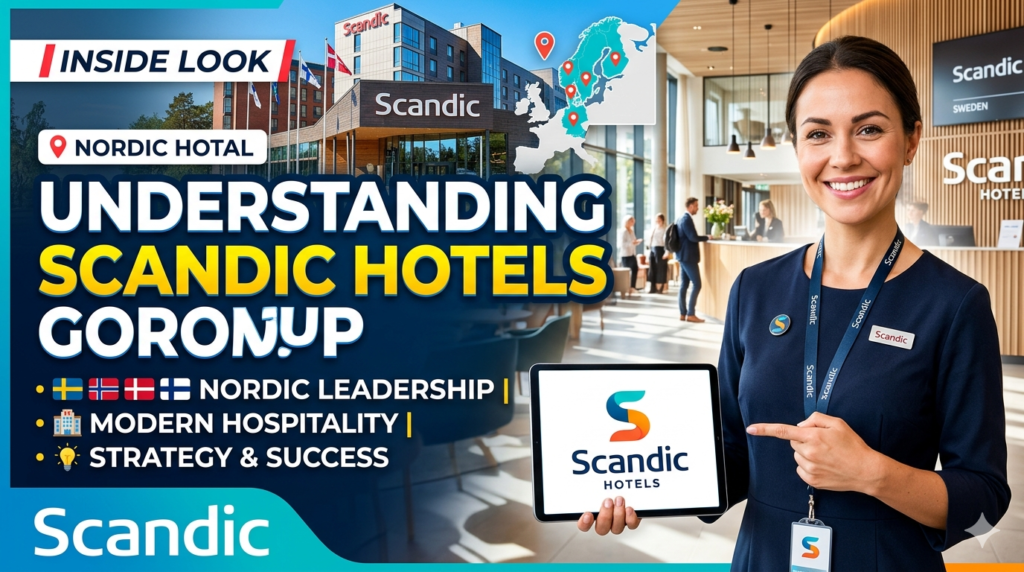
At its core, Scandic is a hospitality company focused on delivering hotel accommodations, dining experiences, meeting facilities, and conference services. Unlike some hotel operators that primarily target luxury travelers, Scandic operates mainly in the mid-market segment. This means the company seeks to provide quality accommodations at prices accessible to a broad range of customers.
The company’s revenue streams come from several sources, including room bookings, restaurants, conferences, events, and corporate partnerships. Business travelers represent a substantial portion of its customer base, while leisure travelers contribute significantly during holidays and tourism seasons.
Scandic’s strategy revolves around combining convenience, comfort, and sustainability. Instead of competing solely on luxury features, the company focuses on delivering dependable experiences and practical value. This business model has proven effective in attracting both individual travelers and corporate clients across multiple countries.
Key Markets and Operations
The company’s primary markets include Sweden, Norway, Finland, and Denmark. These Nordic countries form the backbone of Scandic’s operations and account for a significant share of its revenue. Additional operations in Germany and Poland provide opportunities for international growth.
Scandic’s extensive geographic coverage enables the company to serve travelers across more than 150 destinations. This reach is particularly valuable for corporate clients that require accommodations in multiple locations. Instead of working with several hotel providers, businesses can rely on a single trusted brand.
The company’s large-scale operations also create efficiencies in marketing, technology, procurement, and customer loyalty programs. These advantages help Scandic maintain strong market leadership within the Nordic hospitality sector.
Scandic SE’s Hotel Portfolio
Types of Hotels Offered
Scandic offers a diverse portfolio designed to meet different travel needs. Some properties focus on business travelers and conference attendees, while others cater to families, tourists, and weekend visitors. This variety allows the company to appeal to a broad audience without diluting its brand identity.
The organization has also introduced specialized concepts such as Scandic Go, which focuses on affordable accommodations while maintaining quality standards. Another premium concept, Signature by Scandic, offers enhanced experiences, distinctive designs, and expanded event facilities. These sub-brands enable the company to address different customer segments effectively.
Popular Destinations
Many Scandic hotels are strategically located in city centers, transportation hubs, and popular tourist destinations. This location strategy provides convenience for guests and increases occupancy rates.
Some of the most popular destinations include Stockholm, Oslo, Helsinki, Copenhagen, Berlin, and various regional cities across Scandinavia. Travelers often choose Scandic because they can find reliable accommodations in both major metropolitan areas and smaller destinations.
| Feature | Scandic Hotels |
| Main Region | Nordic Countries |
| Founded | 1963 |
| Destinations | 150+ |
| Hotel Network | 320+ hotels in operation and development |
| Room Capacity | 68,000+ rooms |
| Employee Base | 19,000+ team members |
The scale of these operations demonstrates why Scandic remains one of the most influential hotel companies in Northern Europe.
Sustainability at Scandic
Environmental Initiatives
Sustainability is one of the defining characteristics of Scandic’s brand identity. Long before environmental responsibility became a mainstream business priority, the company was implementing initiatives designed to reduce waste, conserve resources, and minimize environmental impact.
These efforts include energy-efficient operations, responsible sourcing practices, waste reduction programs, and sustainable food initiatives. The company has also invested heavily in educating employees about environmental best practices, ensuring sustainability remains integrated into daily operations.
Travelers increasingly prioritize environmentally responsible accommodations, and Scandic has responded by making sustainability a core component of its guest experience. This commitment helps the company appeal to modern consumers who value responsible tourism.
Eco-Certifications and Achievements
Scandic has achieved impressive results in sustainability. By the end of 2025, approximately 96% of its hotel portfolio carried the Nordic Swan Ecolabel, one of the region’s most respected environmental certifications. The company operates hundreds of certified properties and continues working toward broader certification coverage.
This accomplishment demonstrates that sustainability is not merely a marketing strategy but a deeply integrated part of the organization’s operating philosophy. Such achievements have strengthened Scandic’s reputation among environmentally conscious travelers and corporate clients seeking sustainable business partners.
Scandic Friends Loyalty Program
Benefits for Members
Loyalty programs play a crucial role in customer retention, and Scandic Friends is one of the largest hotel loyalty programs in the Nordic region. Members receive benefits such as discounted rates, exclusive offers, rewards points, and special promotions.
Frequent travelers particularly appreciate the ability to accumulate points across multiple stays and redeem them for future accommodations or other benefits. These incentives encourage repeat bookings and strengthen long-term customer relationships.
How to Join
Joining Scandic Friends is straightforward. Travelers can register through the company’s website or mobile application. Membership is generally free, making it accessible to both occasional and frequent guests.
Once enrolled, members gain access to a variety of perks that improve the overall travel experience. This simplicity and accessibility have contributed significantly to the program’s popularity throughout the Nordic market.
Technology and Digital Innovation

Mobile App and Online Booking
Technology has transformed hospitality, and Scandic has embraced digital innovation to enhance customer experiences. The company’s online booking platform allows travelers to reserve rooms quickly, compare options, and manage reservations with ease.
The mobile application further streamlines the process by providing convenient access to booking information, loyalty program benefits, and hotel services. Digital solutions reduce friction throughout the customer journey and improve operational efficiency.
By investing in technology, Scandic ensures it remains competitive in an industry increasingly shaped by digital expectations. Modern travelers expect convenience, flexibility, and real-time access to information, and the company continues adapting to meet those demands.
Financial Performance and Market Position
Current Scale of Operations
Scandic’s current scale highlights its leadership position within the Nordic hospitality industry. The company operates and develops more than 320 hotels with approximately 68,000 rooms across over 150 destinations. It employs more than 19,000 team members, making it one of the region’s largest hospitality employers.
These figures demonstrate the organization’s ability to serve diverse customer segments while maintaining a broad geographic presence. Scale also provides advantages in purchasing power, marketing reach, and operational efficiency.
Competitive Advantages
Several factors distinguish Scandic from competitors:
| Competitive Factor | Benefit |
| Large Hotel Network | Wide geographic coverage |
| Strong Brand Recognition | Customer trust and loyalty |
| Sustainability Leadership | Appeals to eco-conscious travelers |
| Loyalty Program | Encourages repeat business |
| Diverse Hotel Portfolio | Serves multiple customer segments |
| Digital Innovation | Enhances guest experience |
Together, these strengths create a powerful competitive position that supports continued growth and resilience.
Read More:-
How Does Strikingly Simplify the Website Building Process?
Building Your Dream Website with Site123
Boost Your E-commerce Strategy with YITH Plugins
Maximize Your Customer Engagement with LiveAgent’s Features
Why STRIPO is Essential for Digital Product Marketersa
Who Should Choose Scandic Hotels?
Scandic is an excellent choice for a wide range of travelers. Business professionals benefit from convenient locations, conference facilities, and reliable service standards. Families appreciate comfortable accommodations, child-friendly amenities, and practical pricing structures.
Tourists exploring Scandinavia often choose Scandic because of its extensive network and trusted reputation. The ability to stay with the same hotel brand across multiple cities creates a sense of familiarity and consistency that many travelers value.
Eco-conscious travelers may find Scandic particularly appealing due to its commitment to sustainability. The company’s environmental initiatives allow guests to enjoy their travels while supporting responsible tourism practices. Whether someone is traveling for work, leisure, or a combination of both, Scandic offers solutions designed to meet diverse needs.
Future Outlook for Scandic SE
The future appears promising for Scandic. Travel demand continues recovering and evolving, creating opportunities for hospitality companies that can adapt effectively. Scandic’s strong brand, sustainability leadership, extensive network, and technological investments position it well for future growth.
The company is likely to continue expanding its portfolio, enhancing digital services, and strengthening environmental initiatives. As travelers become increasingly focused on convenience and sustainability, Scandic’s strategic priorities align closely with emerging market trends.
Industry experts often emphasize that hospitality success depends on balancing operational efficiency with exceptional guest experiences. Scandic’s ability to achieve both objectives has been a key factor in its long-term success and will likely remain critical moving forward.




Conclusion
Scandic SE, commonly associated with Scandic Hotels Group, is far more than just another hotel chain. It is the largest Nordic hotel operator, with a history dating back to 1963 and a reputation built on reliability, sustainability, and customer-focused hospitality. Through strategic expansion, digital innovation, and environmental leadership, the company has established itself as a dominant force in the European hospitality industry.
Whether you are a traveler seeking comfortable accommodations, a business professional planning conferences, or an investor researching hospitality companies, understanding Scandic provides valuable insight into one of Northern Europe’s most influential hotel brands. Its commitment to quality, sustainability, and continuous improvement ensures that Scandic will remain an important player in global hospitality for years to come.
Frequently Asked Questions
Q. What does Scandic SE mean?
A. Scandic SE generally refers to Scandic Hotels Group, a Swedish-based hotel company operating throughout the Nordic region and parts of Europe.
Q. Is Scandic a luxury hotel brand?
A. Scandic primarily operates in the mid-market segment, although it also offers premium concepts such as Signature by Scandic.
Q. How many hotels does Scandic operate?
A. Scandic has more than 320 hotels in operation and development across over 150 destinations.
Q. What countries does Scandic operate in?
A. The company operates mainly in Sweden, Norway, Finland, Denmark, Germany, and Poland.
Q. Is Scandic environmentally friendly?
A. Yes. Approximately 96% of its hotel portfolio was ecolabeled with the Nordic Swan Ecolabel by the end of 2025.