
Discover how Remote marketing solutions are transforming the future of business growth by connecting companies with global talent, advanced digital tools, AI-powered strategies, and flexible marketing teams. From SEO and social media to content creation, email campaigns, paid advertising, analytics, and automation, Remote marketing enables businesses to reduce operational limitations, access specialized expertise, accelerate campaigns, and reach customers across markets. As technology continues to evolve, adopting Remote marketing strategies can help businesses build agile teams, improve efficiency, strengthen customer engagement, and create sustainable growth in an increasingly digital marketplace.
Table of Contents
- Why Remote Marketing Is Becoming a Growth Engine
- The Core Benefits of Remote Marketing Solutions
- AI Is Reshaping Remote Marketing
- The Role of Data in Distributed Marketing Teams
- Remote Marketing Channels That Drive Growth
- Challenges Businesses Must Solve
- How Businesses Can Build a Future-Ready Remote Marketing Strategy
- Conclusion
- FAQs
Why Remote Marketing Is Becoming a Growth Engine
Business growth is no longer tied to a single office, a fixed nine-to-five schedule, or a marketing department sitting around the same conference table. Customers are online, conversations happen across time zones, campaigns can be launched from virtually anywhere, and specialized marketing talent is increasingly comfortable working remotely. That combination has created a powerful opportunity for businesses that are willing to rethink how marketing gets done. Remote marketing solutions bring together people, platforms, automation, analytics, creative services, and communication tools so a company can reach customers without depending on a traditional physical marketing department. This is more than simply allowing employees to work from home. It is a different operating model in which talent and technology are organized around outcomes rather than office attendance. Research from NBER examining more than 150,000 U.S. firms found that employees worked from home about one day per week on average, with substantially higher remote-work levels in information-oriented industries. That matters because marketing is particularly compatible with distributed work: research, writing, design, SEO, paid advertising, social media, analytics, email, and strategy can all be performed digitally. As businesses compete for attention in increasingly crowded markets, remote marketing gives them another advantage—the ability to assemble the right team for a specific objective rather than limiting recruitment to people who happen to live nearby.
The Shift From Traditional Teams to Distributed Talent
The traditional marketing department often follows a familiar pattern: hire a handful of generalists, place them in an office, assign campaigns, and rely on meetings to keep everyone aligned. That structure can work, but it can also become expensive and restrictive. A growing company may need a technical SEO specialist one month, a video editor the next, and a paid media expert for a product launch, yet hiring all those specialists permanently may not make financial sense. Remote marketing solutions create a more flexible alternative by allowing businesses to combine full-time employees, freelancers, agencies, consultants, and specialized contractors according to their needs. Instead of asking, “Who can we hire locally?” a company can ask, “What expertise does this campaign require, and where can we find the best person?” That shift can dramatically expand the talent pool while giving smaller companies access to skills that were previously associated with larger marketing departments. It also supports a project-based approach to growth, where businesses can scale their marketing capacity up or down without rebuilding the entire organization. The result is a marketing function that behaves less like a fixed machine and more like a modular toolkit: add the capability you need, connect it to the existing system, measure the result, and adjust when the market changes.
How Digital Connectivity Changes Marketing Operations
Remote marketing would not be possible without the digital infrastructure that connects people and information. Cloud-based project management, video conferencing, shared documents, customer relationship management platforms, analytics dashboards, advertising systems, content management platforms, and communication applications allow marketers to work together even when they are thousands of kilometers apart. The important development is not simply that these tools exist; it is that they can increasingly communicate with one another. A campaign brief can move from strategy to design, from design to publishing, from publishing to analytics, and from analytics back into strategy without requiring everyone to sit in the same building. This creates a continuous feedback loop. A remote marketer in one country might analyze customer behavior while a designer elsewhere develops creative assets and a strategist in another time zone adjusts the campaign based on the data. When these processes are properly documented, the geographical distance becomes far less important than the quality of the system connecting the people. The strongest remote teams therefore do not simply replace office meetings with video calls. They redesign workflows around asynchronous communication, clearly defined responsibilities, shared dashboards, documented processes, and measurable outcomes.
The Core Benefits of Remote Marketing Solutions
The appeal of remote marketing is ultimately connected to one question: Can a business achieve better marketing results with greater flexibility and potentially lower overhead? For many organizations, the answer can be yes, particularly when remote work is paired with specialized expertise and appropriate technology. A remote model can reduce dependence on expensive office infrastructure while opening access to a much wider talent market. More importantly, it can make marketing capacity more adaptable. A company launching into a new country can work with local specialists who understand that market instead of expecting an existing team to learn everything from scratch. A startup can bring in an experienced SEO consultant without immediately creating a full-time position. A growing e-commerce brand can supplement its internal team with remote creators during a seasonal campaign. The value is therefore not simply cost reduction. It is strategic flexibility, allowing businesses to put resources where they can produce the greatest commercial impact. HubSpot’s marketing research also highlights the growing importance of efficient technology, AI, personalization, and integrated data as marketing teams attempt to increase output without allowing complexity to overwhelm them.
Lower Costs and Greater Access to Talent
Cost efficiency is one of the clearest advantages of a remote marketing structure, but businesses should think beyond office rent. Remote operations can reduce expenses related to commuting support, physical equipment, relocation, office space, and other overheads, while the larger benefit may come from access to specialized talent. Imagine a small software company that needs an experienced B2B content strategist. Its local market may have only a few suitable candidates, and those candidates could demand compensation that stretches the company’s budget. A remote model allows the business to search across cities, countries, and specialist networks for someone whose expertise matches the exact requirement. That broader search can be particularly valuable in marketing because successful campaigns often depend on niche knowledge. A technical SEO professional, conversion-rate optimization specialist, multilingual copywriter, paid search manager, or video producer may each contribute a specific piece of the growth puzzle. Businesses can therefore create hybrid teams where permanent employees protect institutional knowledge while remote specialists add expertise when it is most valuable. The smartest approach is not automatically choosing the cheapest remote worker; it is choosing the right capability at the right cost and measuring whether that capability contributes to revenue, qualified leads, customer retention, or another meaningful business outcome.
Faster Campaign Execution and Greater Flexibility
Speed has become a competitive advantage in modern marketing. Trends can appear and disappear quickly, customer expectations can change within weeks, and competitors can launch campaigns while a slower organization is still waiting for internal approvals. Remote teams can support faster execution because work can continue across different schedules and locations. A campaign handed off at the end of one person’s working day may be ready for another team member to review when they begin theirs. This does not mean every remote team should operate around the clock, because excessive handoffs can create confusion and burnout. Instead, the goal is to create thoughtful asynchronous workflows in which tasks, deadlines, decisions, and feedback are visible without requiring constant meetings. A well-designed remote operation can also scale quickly. If a product launch requires additional creative production, a business can bring in qualified remote designers or creators. If a new market requires localized content, the company can work with specialists who understand that audience. This flexibility makes remote marketing especially attractive for growing companies that need to respond to opportunities without building a large permanent structure before demand is proven.
AI Is Reshaping Remote Marketing
Artificial intelligence is becoming one of the most important forces behind the future of remote marketing. It can accelerate research, content development, data analysis, campaign planning, customer segmentation, reporting, and repetitive administrative work. HubSpot’s 2025 research found that 66% of marketers globally reported using AI in their roles, while 91% of marketing leaders said employees or teams at their organizations use AI to assist with their jobs. These numbers show that AI is moving beyond novelty and becoming part of ordinary marketing workflows. For distributed teams, that development is especially significant because AI can help compensate for limited resources and reduce repetitive tasks that otherwise consume valuable coordination time. A small remote marketing team can use AI to organize research, identify patterns in customer data, generate initial creative concepts, summarize meetings, repurpose existing content, and support campaign analysis. But there is an important distinction between using AI to increase marketing capacity and allowing AI to determine the entire marketing strategy. Businesses still need people who understand customers, brand positioning, market context, ethics, storytelling, and commercial priorities. AI can make the engine more powerful, but humans still need to decide where the vehicle should go.
AI-Powered Content, Research, and Analytics
Content production is one of the most obvious areas where AI can strengthen distributed marketing teams. A remote content strategist might use AI to transform a long-form article into social posts, email concepts, video scripts, or content briefs. A performance marketer can use AI-assisted analytics to identify patterns across large datasets more quickly. A researcher can use AI to organize information and generate questions that deserve deeper investigation. HubSpot reported that among surveyed marketers, common AI uses included content creation, research, brainstorming, learning, and data analysis. The opportunity becomes even larger when AI is connected to a company’s broader technology stack rather than being treated as a separate chatbot window. Imagine a system where campaign performance data informs reporting, reporting highlights opportunities, those opportunities feed into content planning, and approved content is distributed through established channels. That kind of connected workflow can reduce repetitive work while allowing marketers to spend more time on decisions that require judgment. Remote teams benefit because digital systems can preserve information and create continuity even when people are working asynchronously.
Keeping Human Creativity at the Center
The future of remote marketing will not be about humans versus machines. It will be about humans using machines intelligently. AI can produce a headline in seconds, but it does not automatically understand why a particular customer should trust a company. It can summarize research, but it may miss the cultural nuance behind a buying decision. It can generate an image, but a human still needs to decide whether that image genuinely represents the brand. Current marketing research increasingly emphasizes this balance. HubSpot’s 2026 marketing research describes AI as a major disruption while highlighting the continuing importance of authentic human perspective and brand differentiation. For remote organizations, maintaining that human layer is particularly important because distributed teams can accidentally become overly dependent on tools and dashboards. A strong remote marketing culture therefore needs regular strategic conversations, creative reviews, customer feedback, and clear brand guidelines. Technology should remove friction, not remove personality. After all, customers do not build relationships with workflows; they build relationships with brands that communicate something meaningful.
The Role of Data in Distributed Marketing Teams
Data becomes the connective tissue of a remote marketing organization. When people cannot casually walk over to a colleague’s desk and ask what happened with a campaign, the answer needs to be visible somewhere reliable. Shared dashboards, CRM records, analytics platforms, campaign reports, and documented decisions allow remote teams to work from the same reality. Without that shared information, a distributed team can quickly become a collection of disconnected individuals, each using their own spreadsheets and assumptions. HubSpot’s 2025 research found that only about one in five marketers reported their marketing data as fully integrated with the tools they use, while 30% said interactions between their tools were somewhat or very disjointed. That is a warning for businesses adopting remote marketing. Adding more software does not automatically create better marketing. The goal should be to create a single source of truth wherever possible, establish clear ownership of important metrics, and ensure everyone understands how performance is measured.
Building a Connected Marketing Technology Stack
A future-ready remote marketing stack should be designed around the customer journey rather than around individual software products. At the foundation, a business may need a CRM to manage customer information, an analytics platform to measure behavior, a content management system to publish information, advertising platforms to generate demand, social platforms to build engagement, and project-management tools to coordinate execution. Automation can then connect these systems and reduce unnecessary manual work. The important question is not “How many tools do we have?” but “Can these tools help our team make better decisions?” A remote marketing operation with fifteen disconnected platforms may be less effective than one with five well-integrated systems. Businesses should also establish naming conventions, reporting standards, access permissions, and documentation before their technology stack becomes difficult to manage. When everyone knows where campaign information lives and which metrics matter, remote collaboration becomes much easier. Data stops being a pile of numbers and becomes a common language that allows strategists, creators, sales teams, executives, and analysts to coordinate around the same objectives.
Remote Marketing Channels That Drive Growth
Remote marketing is not a single tactic. It is an operating model that can support virtually every major digital channel. Content marketing, SEO, social media, email, paid advertising, influencer campaigns, webinars, affiliate programs, public relations, and conversion optimization can all be managed by distributed teams. The right combination depends on the business model, audience, budget, product, and stage of growth. A B2B software company may prioritize SEO, LinkedIn, webinars, email, and thought leadership, while an e-commerce company might focus heavily on short-form video, paid social, creators, email automation, and search. The advantage of remote marketing is that specialists can be assembled around those priorities without requiring every capability to exist under one physical roof. HubSpot’s research has identified social media as a particularly important channel, with its surveys showing strong product-discovery activity among younger consumer groups and significant interest in social selling. The future belongs to businesses that can coordinate these channels as parts of one customer journey rather than treating them as isolated marketing activities.
Social Media, Content, and Influencer Marketing
Social media is naturally suited to remote marketing because content creation, publishing, community management, analytics, and influencer relationships can all be handled digitally. A distributed social team can monitor conversations, identify emerging topics, produce content, schedule campaigns, and respond to customers without needing physical proximity to one another. The bigger opportunity is combining social activity with broader content strategy. Instead of creating a post simply because the calendar says it is Tuesday, teams can build content around customer questions, product benefits, search behavior, industry conversations, and campaign objectives. Influencer marketing can also benefit from a remote structure because businesses can work with creators across regions and audience segments. The challenge is authenticity. A creator who understands a particular community may be far more valuable than someone with a larger but less relevant following. This is where remote marketing can become a competitive advantage: businesses can search beyond geographic boundaries and build relationships with creators based on audience relevance rather than location.
SEO, Email, and Performance Marketing
SEO, email marketing, and performance advertising provide another strong foundation for distributed growth teams because their results can be measured digitally. SEO specialists can research search demand, improve technical performance, develop content strategies, and monitor organic visibility remotely. Email teams can build segmented campaigns, automate customer journeys, test messaging, and measure engagement from anywhere. Performance marketers can manage paid search and social campaigns using real-time dashboards and conversion data. These disciplines become even more powerful when they share information. Search data can reveal customer questions that inform content. Content engagement can reveal interests that shape email segmentation. Email behavior can provide insights that improve advertising audiences. Advertising results can identify high-converting messages that strengthen landing pages. In other words, the future of remote marketing is not simply about performing each channel from home. It is about connecting channels through data and strategy so that every activity makes the others smarter.
Challenges Businesses Must Solve
Remote marketing offers enormous potential, but it is not automatically successful. A business can have talented marketers scattered around the world and still produce mediocre results if its processes are weak. The biggest challenge is often not technology but coordination. When expectations are unclear, remote employees may spend time solving the wrong problem. When communication is fragmented across multiple applications, important decisions can disappear inside message threads. When managers measure activity instead of outcomes, teams may become busy without becoming productive. There is also the risk of losing organizational culture. Marketing depends heavily on creativity, collaboration, and shared understanding of a brand, so businesses need deliberate ways to keep people connected. Remote work requires a higher level of operational discipline than many organizations expect. Goals must be documented, responsibilities must be explicit, deadlines must be realistic, and feedback must be structured. The strongest remote teams are not necessarily the ones with the most communication. They are the ones with the clearest communication.
Communication, Collaboration, and Accountability
Good remote marketing starts with simple questions: Who owns this campaign? What does success look like? When is the deliverable due? Where should feedback be given? Which metric determines whether the campaign should continue? These questions sound basic, but answering them consistently can transform distributed collaboration. Businesses should avoid turning every decision into another meeting. Instead, important information should be documented in accessible locations, while meetings should focus on discussion, problem-solving, and decisions that genuinely benefit from real-time interaction. Managers should also evaluate people based on outcomes rather than online presence. A marketer who produces excellent campaigns and meets objectives should not be considered less productive simply because they are not constantly visible in a chat application. Accountability becomes stronger when responsibilities and metrics are visible to everyone. This approach also creates fairness because employees know how their work is evaluated. Remote marketing should feel less like surveillance and more like a professional sports team: everyone knows their position, understands the scoreboard, and trusts teammates to perform their roles.
Read More:-
How Does Strikingly Simplify the Website Building Process?
Building Your Dream Website with Site123
Boost Your E-commerce Strategy with YITH Plugins
Maximize Your Customer Engagement with LiveAgent’s Features
Why STRIPO is Essential for Digital Product Marketersa
Data Security and Brand Consistency
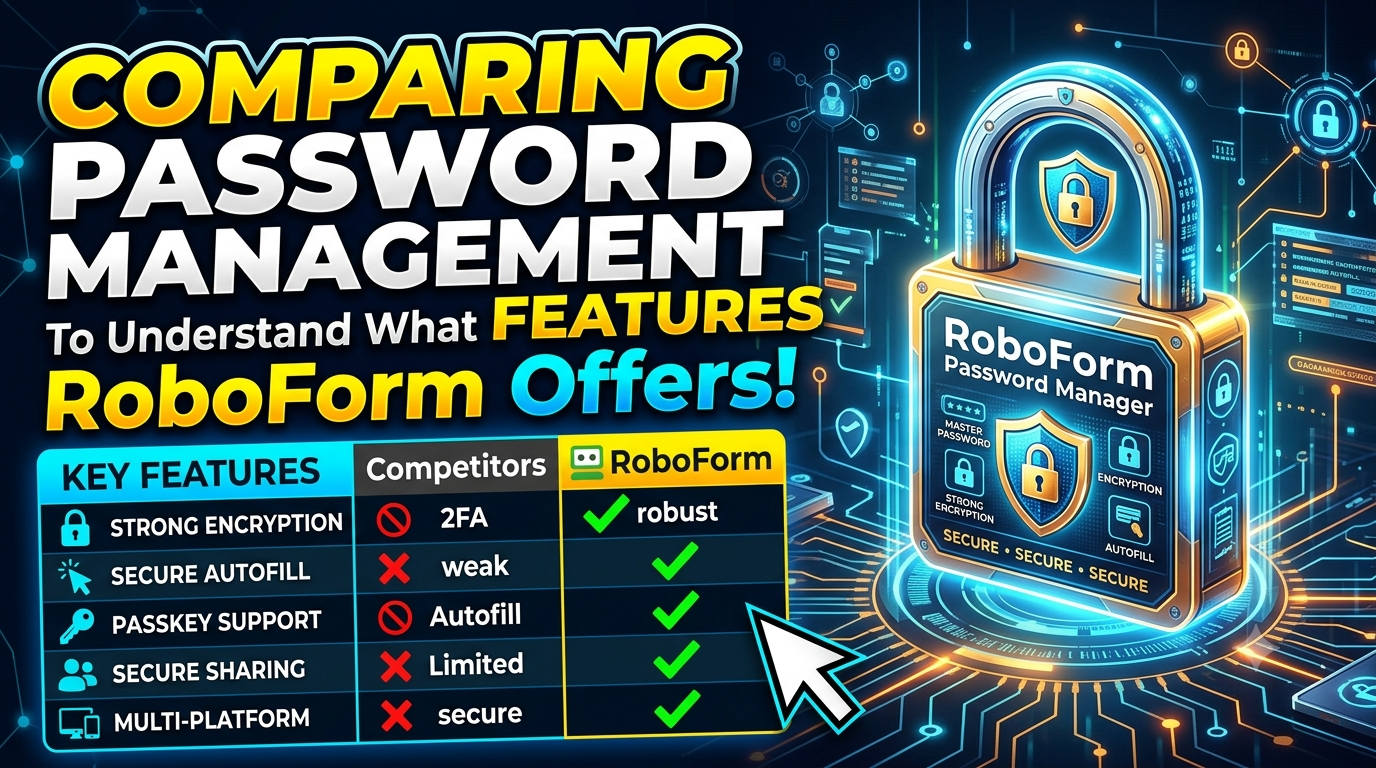
Security becomes increasingly important when marketing work is distributed across multiple locations, devices, contractors, and software platforms. Remote teams may handle customer information, campaign data, creative assets, advertising accounts, passwords, and proprietary business strategies. Businesses therefore need appropriate access controls, authentication practices, permission management, secure devices, and clear rules for third-party collaborators. Brand consistency also requires deliberate attention. When several remote writers, designers, agencies, and creators produce content, a company can quickly develop an inconsistent voice if there are no clear guidelines. A comprehensive brand system should define tone, visual identity, messaging principles, audience priorities, approved terminology, and examples of what good work looks like. This becomes especially important as AI-generated content becomes easier to produce. More content does not necessarily mean stronger branding. Businesses need editorial oversight and human judgment to ensure that every piece of communication supports the same strategic identity.
How Businesses Can Build a Future-Ready Remote Marketing Strategy
The best way to adopt remote marketing is not to move everything online overnight. Businesses should begin with their growth objectives and work backward. First, identify what the company needs to achieve—more qualified leads, stronger organic visibility, higher e-commerce revenue, improved customer retention, entry into a new market, or greater brand awareness. Next, identify the capabilities required to achieve those goals. Then determine which capabilities should remain internal and which can be supported by remote specialists, agencies, contractors, or technology. Once the team structure is clear, establish the technology, workflows, communication standards, and metrics needed to make the model work. AI should be introduced where it solves a genuine problem rather than simply because it is fashionable. HubSpot’s research shows that marketers are increasingly investing in AI and automation, but it also highlights an adoption gap and the need for education and training. That lesson applies broadly: technology only creates business value when people know how to use it effectively.
A practical remote marketing strategy can be built around five principles: hire for capability, document for clarity, automate for efficiency, measure for accountability, and create for humans. Hire specialists when specialized knowledge creates a meaningful advantage. Document processes so people do not need to ask the same questions repeatedly. Automate repetitive tasks so marketers can focus on strategic and creative work. Measure outcomes such as revenue contribution, qualified leads, conversion rates, customer acquisition costs, retention, and lifetime value rather than relying only on vanity metrics. Finally, create marketing that respects the human customer behind every click, search, purchase, and conversation. Remote marketing is ultimately not about where people work. It is about creating a system capable of bringing together talent, technology, creativity, and data to produce sustainable growth. Companies that master that system can remain flexible even as markets, platforms, customer expectations, and AI capabilities continue to change.



Conclusion
The future of business growth will increasingly depend on how intelligently companies combine people, technology, data, and flexibility. Remote marketing solutions provide a powerful framework for doing exactly that, giving businesses access to wider talent pools, specialized expertise, scalable resources, digital collaboration, and increasingly sophisticated automation. AI is accelerating the transformation by helping marketing teams research faster, produce more efficiently, analyze larger datasets, and automate repetitive workflows, while human creativity remains essential for trust, differentiation, and meaningful communication. Current research shows that marketers are already integrating AI and distributed digital workflows into their operations, making the shift less of a distant prediction and more of an ongoing business transformation. The companies most likely to benefit will not simply be those that hire remote workers. They will be the ones that redesign marketing around clear objectives, connected systems, strong data practices, thoughtful collaboration, and customer-focused creativity. The office may change, the tools will certainly change, and AI will continue to evolve, but the fundamental goal remains the same: understand people, create value, earn attention, and turn that attention into lasting business growth.
FAQs
Q. What are remote marketing solutions?
A. Remote marketing solutions are services, technologies, processes, and distributed teams that allow businesses to plan, execute, manage, and measure marketing activities without requiring employees to work from a central office. They can include remote marketing agencies, freelancers, content creators, SEO specialists, paid advertising professionals, social media managers, CRM platforms, analytics systems, automation tools, and AI-powered marketing software.
Q. Can small businesses benefit from remote marketing?
A. Yes. Small businesses can use remote marketing to access specialized expertise without necessarily building a large permanent department. For example, a small company could work with a remote SEO specialist, content writer, designer, paid advertising manager, or social media consultant based on its current priorities and budget. This allows the business to scale marketing capabilities as growth opportunities emerge.
Q. How does AI support remote marketing teams?
A. AI can support remote marketers with tasks such as content ideation, research, data analysis, workflow automation, personalization, campaign reporting, and content repurposing. HubSpot’s research indicates that AI is already widely used by marketing professionals, although businesses still need training and clear processes to use these tools effectively.
Q. What are the biggest challenges of remote marketing?
A. The main challenges include communication gaps, unclear responsibilities, disconnected data, cybersecurity risks, inconsistent branding, and excessive dependence on meetings or digital tools. Businesses can address these problems through clear documentation, shared performance metrics, centralized data, secure access practices, defined workflows, and regular strategic communication.
Q. What is the future of remote marketing?
A. The future will likely involve increasingly distributed teams supported by AI, automation, integrated data, specialized talent, and digital collaboration platforms. Rather than replacing human marketers, technology will increasingly handle repetitive work while people concentrate on strategy, creativity, customer understanding, brand development, and high-value decision-making. Businesses that combine technological efficiency with authentic human communication will be best positioned to compete.