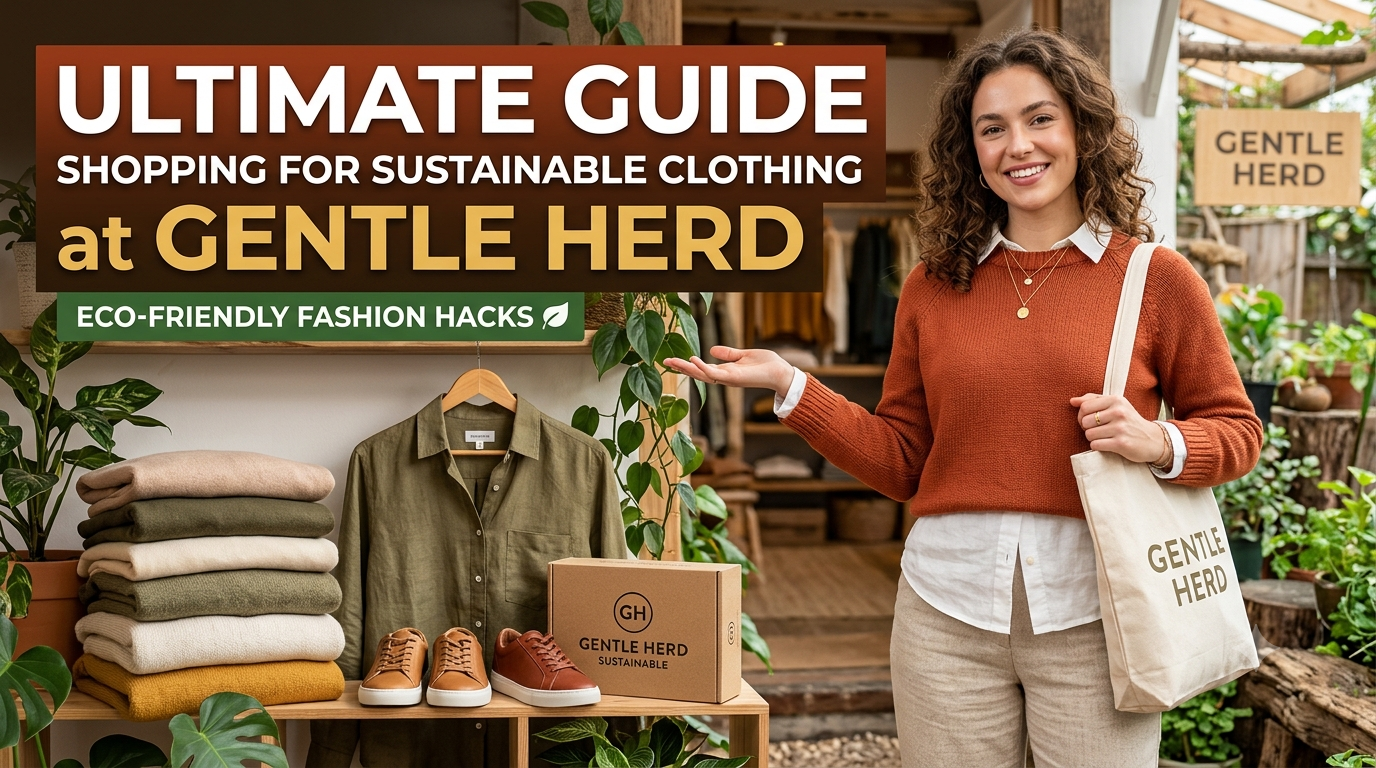
Discover Gentle Herd, a clothing brand known for its elegant designs, natural-fiber clothing, and timeless style. Explore a collection of cashmere sweaters, wool coats, silk accessories, cotton essentials, and versatile wardrobe staples that combine comfort with a refined look. Whether you’re building a minimalist wardrobe or searching for premium everyday fashion, Gentle Herd offers a range of styles to consider. Learn how to choose the right fabrics, evaluate product quality, compare prices, and shop more thoughtfully to find clothing that suits your lifestyle and personal style.
Table of Contents
- Understanding Gentle Herd and Its Clothing Philosophy
- What Makes Sustainable Clothing Worth Buying?
- Exploring Gentle Herd’s Clothing Collections
- How to Build a Sustainable Capsule Wardrobe
- Finding the Right Fit, Size, and Style
- Understanding Gentle Herd Prices and Value
- How to Shop Online With Confidence
- Checking Product Quality and Construction
- Evaluating Ethical Sourcing and Sustainability Claims
- Sustainable Clothing Care and Maintenance
- Styling Gentle Herd Pieces for Different Occasions
- Shopping Seasonally and Making Smarter Purchases
- Understanding Shipping, Returns, and Customer Reviews
- Common Mistakes to Avoid When Shopping Sustainably
- Gentle Herd Compared With Other Sustainable Fashion Options
- Practical Tips for Getting the Most From Your Wardrobe
- Conclusion: Is Gentle Herd Right for Your Sustainable Wardrobe?
- Frequently Asked Questions (FAQs)
Understanding Gentle Herd and Its Clothing Philosophy
When you start exploring sustainable fashion, you quickly discover that shopping is about more than choosing a beautiful outfit. You also need to think about fabric quality, durability, production practices, and whether a garment deserves a permanent place in your wardrobe. Gentle Herd is an online clothing brand whose current website focuses on natural fibers, understated designs, and everyday luxury. Its collection includes knitwear, sweaters, coats, dresses, trousers, and accessories, giving shoppers several options for creating a versatile wardrobe. The brand’s current philosophy emphasizes fewer pieces, better materials, and clothing designed to remain useful beyond a single season. You can explore its collections and product information directly through the official Gentle Herd website.
The appeal of Gentle Herd lies in its combination of minimalism and comfort. Instead of relying entirely on bold logos or short-lived fashion trends, its current presentation highlights soft textures, relaxed silhouettes, and neutral wardrobe staples. Think about a wool coat that works with office trousers, a cashmere sweater that pairs with jeans, or a cotton T-shirt that becomes a regular part of your everyday rotation. These are the kinds of pieces that can help reduce unnecessary shopping when they are well made and worn frequently. However, a brand’s design philosophy alone does not prove that every garment is environmentally responsible. Before purchasing, examine the specific product’s fiber composition, construction, care instructions, and available sourcing information to determine whether it meets your expectations.
What Makes Sustainable Clothing Worth Buying?
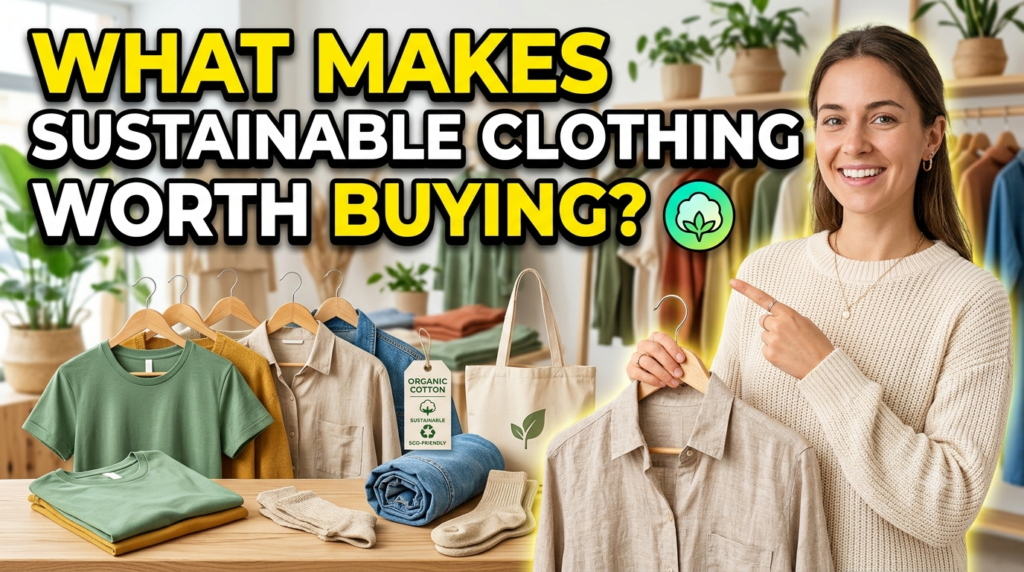
Sustainable clothing aims to reduce the environmental and social costs associated with making, selling, wearing, and eventually discarding garments. The idea extends beyond choosing natural materials or purchasing from a brand that uses environmentally friendly language. It also entails taking into account how long an item will last, how frequently you will wear it, how it is made, and what happens when it is no longer functional. A relatively expensive sweater that remains in your wardrobe for years may offer better value than several inexpensive alternatives that lose their shape quickly. Nevertheless, the higher price alone does not guarantee superior quality or responsible production. Smart sustainable shopping combines careful product research with realistic expectations about your lifestyle and budget.
When considering Gentle Herd, begin by asking three practical questions: Do I genuinely need this item? Can I wear it with my current wardrobe? Is there enough information available to judge its quality and production? These inquiries aid in distinguishing between impulsive and beneficial purchases. You should also look for evidence supporting environmental claims, such as named material standards, traceability information, or relevant independent certifications. If that evidence is unavailable, treat the claim as unverified rather than automatically accepting or rejecting it. Sustainable fashion is not about building a wardrobe full of products carrying an eco-friendly label; it is about making better decisions throughout the clothing lifecycle. Buying fewer items, wearing them regularly, and maintaining them carefully can be meaningful steps toward a more responsible wardrobe.
Natural Fibers and Their Environmental Impact
Natural fibers are a prominent part of Gentle Herd’s current clothing identity. The official website highlights cashmere, wool, silk, and cotton in its collection and material-focused messaging.
These fabrics offer different combinations of softness, warmth, breathability, and durability, but they should not all be treated as equally sustainable. Cotton cultivation can require substantial water and agricultural inputs, depending on the region and farming methods. Wool and cashmere come from animals, so their impacts include land management, animal welfare, and processing. Silk also involves animal-derived production, while its environmental footprint varies according to farming, processing, dyeing, and manufacturing practices.
The best approach is to evaluate each garment individually instead of assuming that natural automatically means sustainable. A well-constructed wool sweater that you wear for several winters could be a sensible purchase, especially if it replaces frequent purchases of less durable knitwear. On the other hand, a garment made from natural fibers may still have shortcomings if it is poorly constructed, difficult to repair, or sourced through an opaque supply chain. Ask whether the product page identifies the exact fiber percentages, whether the fabric blends include synthetics, and whether meaningful sourcing or animal-welfare information is available. Also consider your local climate: a thick cashmere sweater might be useful during cold weather, while a lighter cotton garment could receive far more wear throughout the year. The most sustainable fabric choice is one that suits your needs, is responsibly produced where possible, and remains in use for a long time.
Exploring Gentle Herd’s Clothing Collections
Shopping becomes easier when you understand how different clothing categories fit into your everyday routine. Gentle Herd’s current online collection includes knitwear, outerwear, dresses, trousers, tops, and finishing pieces. Its product listings feature examples such as wool coats, yak-wool knitwear, cotton T-shirts, and silk accessories. Availability, prices, sizes, and product descriptions can change, so use the official product collection to review the current selection before making a decision.
Rather than browsing every item, begin with the category that fills a real gap in your wardrobe. If you already own several sweaters, for instance, a versatile coat or well-fitting pair of trousers may provide more value than another similar knit.
Knitwear can be a useful starting point if you want to explore the brand’s material-focused approach. Sweaters and cardigans can be layered over shirts, worn with jeans, or combined with tailored trousers for a more polished look. Outerwear deserves a different kind of evaluation because fit, lining, construction, and practical weather protection are especially important. Dresses and trousers should be selected according to comfort, movement, and how easily they coordinate with your existing clothing. Accessories can add variety without requiring an entirely new outfit, although you should still consider whether each purchase is necessary. Before buying from any category, picture at least three outfits you could create with the item. This simple exercise encourages more thoughtful shopping and makes it easier to avoid products that look attractive online but rarely get worn.
Cashmere, Wool, Silk, and Cotton: Choosing the Right Fabric
Understanding fabric characteristics can help you choose clothing that matches your priorities. Cashmere is valued for its softness, warmth, and lightweight feel, making it attractive for sweaters and other cold-weather layers. Wool generally offers useful insulation and can be suitable for knitwear and coats, although texture, weight, and comfort vary by fiber type and construction. Silk has a smooth feel and elegant drape, making it appropriate for selected garments and accessories. Cotton is often practical for everyday tops because it is familiar, versatile, and relatively easy to incorporate into casual outfits. These are general material characteristics, not guarantees that every item sold under a particular fabric label will perform equally well.
| Fabric | Common advantages | What to check before buying |
| Cashmere | Soft, warm, lightweight | Pilling, fiber composition, care requirements, sourcing |
| Wool | Insulation and versatility | Texture, fabric density, construction, animal-welfare information |
| Silk | Smooth texture and elegant drape | Silk percentage, washing instructions, durability |
| Cotton | Everyday comfort and versatility | Cotton percentage, fabric weight, finishing, available sourcing details |
| Yak wool | Warmth and distinctive texture | Exact composition, feel, fit, cleaning instructions |
For a sustainable wardrobe, select the fabric according to how you intend to wear and maintain the garment. Cashmere may be a worthwhile investment if you love knitwear and can follow its care requirements, but it is not essential for everyone. A durable cotton top could be more useful if you live in a warm climate or spend most of your time indoors. Similarly, wool outerwear makes sense when you need reliable warmth, but it may not justify the cost if your local weather rarely calls for a heavy coat. Consider whether the item is comfortable against your skin, appropriate for your climate, and practical to clean. Most importantly, verify the exact composition on the product page rather than relying on a category name or marketing photograph.
How to Build a Sustainable Capsule Wardrobe
A capsule wardrobe is a carefully selected collection of clothes that work together across multiple outfits. Instead of buying individual items simply because they look appealing, you choose garments that complement your lifestyle, color preferences, and existing wardrobe. Gentle Herd’s understated styling may appeal to people who prefer neutral colors, clean silhouettes, and pieces that can be worn in several combinations. A simple starting point could include a versatile sweater, a cotton T-shirt, tailored trousers, comfortable jeans, a suitable outer layer, and one outfit for more formal occasions. You do not need to buy all these items from one brand; the objective is to build a useful wardrobe rather than complete a particular collection.
Start by reviewing what you already own. Identify the pieces you wear most frequently, the items that remain untouched, and the gaps that make getting dressed difficult. You may discover that you need only one versatile sweater rather than several similar designs. Next, create a short shopping list and assign a realistic budget to each priority. When evaluating a Gentle Herd product, consider whether it matches your existing colors, works with your footwear, and suits your daily activities. If you can imagine wearing it in multiple settings, it is more likely to become a lasting part of your wardrobe. A capsule wardrobe should not feel restrictive or require you to follow a particular aesthetic. It should make getting dressed easier, reduce unnecessary spending, and help you appreciate the clothing you already have.
Finding the Right Fit, Size, and Style
Fit is one of the most important factors in determining whether you will enjoy wearing a garment. Even an attractive, expensive sweater can become a poor purchase if the sleeves are uncomfortable, the shoulders sit incorrectly, or the length does not suit your preferences. When shopping online at Gentle Herd, read the measurements provided for the specific item rather than relying entirely on labels such as small, medium, or large. If possible, compare the listed garment measurements with a similar item you already own and find comfortable. Pay attention to the intended silhouette as well: an oversized sweater will fit differently from a tailored design, even when both carry the same nominal size.
Think about your personal style before choosing a color or cut. Neutral shades such as black, grey, cream, navy, and brown can be easy to coordinate, but the best palette is the one you genuinely enjoy wearing. If you prefer colorful outfits, there is no reason to build an entirely neutral wardrobe simply because minimalism is fashionable. Review product photographs from different angles and examine descriptions for information about length, neckline, sleeve shape, fabric weight, and intended fit. If measurements are unclear, contact customer support before ordering. This is especially helpful when purchasing an expensive garment or a product that may be difficult to return. Taking a few minutes to verify the fit can prevent disappointment and reduce the environmental and financial costs associated with unnecessary exchanges.
Understanding Gentle Herd Prices and Value
Price matters when you are trying to make sustainable shopping decisions. Gentle Herd’s online listings include products at different price points, with some examples on the current site ranging from relatively affordable cotton basics to more expensive wool coats and cashmere pieces. For instance, the website has displayed a cotton T-shirt for $49, a yak-wool boatneck sweater for $159, and a wool overshirt coat for $339. These are examples from the published listings, not a guarantee of today’s price or availability; always confirm the current details on the official store.
To assess value, calculate the approximate cost per wear. Imagine that a sweater costs $150 and you wear it 75 times over several years. Its cost per wear is $2. If a $50 alternative is worn only ten times before becoming uncomfortable or losing its shape, its cost per wear is $5. These figures are illustrative, not predictions of how either product will perform. The comparison demonstrates why durability and actual usage can matter as much as the original price. However, do not assume an expensive garment will automatically last longer. Check construction, fiber composition, care requirements, customer feedback, and the availability of repairs or replacements. You should also account for shipping, duties, and possible return costs when ordering internationally. A sustainable purchase should offer practical value without forcing you beyond your budget.
How to Shop Online With Confidence
Online shopping makes it easy to explore clothing collections from home, but it also requires careful attention to product details. When visiting Gentle Herd, start with the product page rather than making a decision based only on promotional photographs. Read the full description, check the fiber composition, review the available sizes, and examine every image that shows the garment’s shape or texture. Look for details about lining, closures, fabric weight, and washing instructions, especially when purchasing outerwear or premium knitwear. If the information you need is missing, ask the customer service team for clarification before placing your order. A trustworthy buying decision depends on understanding what you are purchasing, not simply trusting the appearance of a product on a screen.
You should also review the website’s payment options, delivery terms, return conditions, and contact information. Keep a copy of your order confirmation and the product description so that you can refer to them if an issue arises. When buying from an international store, confirm the currency, delivery destination, estimated shipping time, and whether customs duties or taxes may apply. Read the return policy carefully to determine whether discounted products are eligible for refunds and who pays return shipping. These precautions are particularly important when buying clothing that requires a substantial investment. A few minutes of preparation can help you avoid unnecessary expenses, make a more informed choice, and enjoy your shopping experience with greater confidence.
Checking Product Quality and Construction

Good construction is essential when you want clothing to remain wearable for a long time. Before purchasing a Gentle Herd garment, look for detailed product photographs that reveal the stitching, seams, neckline, cuffs, buttons, hems, and other finishing elements. On knitwear, consider whether the knit structure looks appropriate for the garment’s intended use and whether the product description explains its composition clearly. On coats, pay attention to the shape of the shoulders, the placement of pockets, the quality of closures, and any information about lining. Although photographs cannot reveal every aspect of manufacturing quality, they can help you identify details worth investigating before you spend your money.
Customer feedback can provide additional clues, but it should be interpreted carefully. Look for recurring comments about sizing, pilling, fabric feel, stitching, color differences, and whether items match their descriptions. A single complaint does not necessarily represent every customer’s experience, just as a handful of positive reviews cannot guarantee consistent quality. Pay particular attention to feedback about the same product rather than general statements about the brand. If a garment arrives, inspect it promptly for visible defects and compare it with the description you saved before ordering. Follow the seller’s instructions for reporting problems and preserve relevant photographs and correspondence. These habits help you assess the actual product rather than relying entirely on brand positioning or attractive marketing images.
Evaluating Ethical Sourcing and Sustainability Claims
This is one of the most important steps when shopping for sustainable clothing at Gentle Herd. The brand’s current website emphasizes natural fibers, considered design, and clothing intended for repeated wear.
These are useful starting points, but a responsible shopper should distinguish between a brand’s stated philosophy and independently verified environmental or social performance. Natural materials do not automatically establish ethical production, low emissions, responsible animal treatment, or fair working conditions. To make a well-informed decision, look for specific information about where fibers originate, how materials are processed, what standards suppliers follow, and whether independent organizations verify relevant claims.
For animal-derived fibers such as cashmere and wool, sourcing and animal welfare deserve particular attention. Ask whether the company can provide information about herd management, grazing practices, shearing methods, and the treatment of animals throughout the supply chain. For cotton, consider whether information about agricultural practices, water use, and relevant certifications is available. For all materials, look for evidence of traceability, responsible dyeing, labor standards, and measurable environmental targets. A certification should be named clearly, with enough information to verify what it covers. If a company makes a broad sustainability claim without providing supporting documentation, treat it as a claim requiring further investigation.
Independent assessments also highlight why caution is important. SustainabilityTracker’s available profile for Gentle Herd labels its sustainability information as unverified and notes that publicly available independent evidence is limited.
That does not establish that every product is unsustainable, but it does mean shoppers should avoid treating every environmental statement as independently proven. You can contact Gentle Herd through its official contact page to request information about a specific product’s materials, sourcing, and certifications.
The goal is not to demand perfection from a clothing brand. It is to reward transparency, recognize what remains unknown, and base purchasing decisions on evidence rather than marketing language.
Sustainable Clothing Care and Maintenance
Buying a durable garment is only the beginning. How you wash, dry, store, and repair your clothes can influence how long they remain comfortable and presentable. Cashmere and other fine knitwear often benefit from gentle handling, limited friction, and careful storage. Always follow the specific care label because fiber blends, dyes, and garment construction can change the appropriate cleaning method. Avoid assuming that every wool or cashmere item should be washed in exactly the same way. Some garments may require handwashing or professional cleaning, while others may be suitable for a carefully selected machine cycle. Using the correct method helps protect the garment’s shape, texture, and useful life.
Simple maintenance habits can also make a difference. Air out clothes between wears when appropriate instead of washing them unnecessarily, and remove small fabric pills gently with a suitable tool. Store clean knitwear folded rather than hanging it if hanging could stretch the shoulders. Keep clothing dry, maintain a clean storage area, and use suitable protection against fabric pests. Repair a loose button, small seam opening, or minor hole before it becomes a larger problem. If you no longer enjoy a garment but it remains in good condition, consider selling it, exchanging it, or passing it to someone who will use it. Extending the life of clothing is one of the most practical ways to get more value from the resources already invested in making it.
Styling Gentle Herd Pieces for Different Occasions
Versatile styling can help you wear the same garment in several settings without constantly buying new clothes. A simple sweater, for example, can be paired with jeans and sneakers for a relaxed day, worn with tailored trousers for work, or layered over a shirt for a more structured appearance. A wool coat can provide a finishing layer for both casual and formal outfits, provided its weight and design suit the weather. Cotton basics can serve as foundation pieces, while silk accessories may introduce texture or a subtle change in appearance. Gentle Herd’s understated visual approach may work particularly well for shoppers who enjoy building outfits around fabric, shape, and color rather than prominent branding.
Before buying a new piece, imagine how it would work with clothing you already own. If a sweater complements several pairs of trousers and can be layered under your existing coat, it may have a useful place in your wardrobe. If a dress requires special footwear, a separate jacket, and accessories you do not own, consider whether those additional purchases fit your budget. You can also experiment with layering, changing accessories, or combining different textures to create new looks from familiar items. Sustainable styling does not require wearing the same outfit every day or giving up personal expression. It simply encourages you to make more of the clothes you already have while purchasing new items selectively.
Shopping Seasonally and Making Smarter Purchases
Seasonal shopping can help you select clothing that meets real needs rather than responding to every new collection. Before winter, review whether your existing coats, sweaters, and layering pieces are still suitable. Before warmer months, assess your cotton tops, lightweight trousers, and other clothing that suits the local climate. This approach is particularly useful when considering more expensive pieces from Gentle Herd, since premium knitwear or outerwear should fit your actual lifestyle rather than an imagined one. If you live somewhere with short winters, for example, a heavy coat may receive relatively little use. A lighter, versatile garment could provide better value even if the heavier item looks more luxurious.
Sales can offer savings, but they should not determine what you buy. A discounted item is still an unnecessary expense if you never wear it. Before purchasing, set a budget, compare alternatives, and consider whether the product fills a specific wardrobe gap. Check the final price alongside shipping, taxes, and possible return charges. If you are uncertain about the fit or fabric, investigate those details before a sale ends rather than rushing into a decision. You may also find that waiting a few days helps distinguish a genuine need from a passing desire. Thoughtful shopping is not about finding the biggest discount; it is about buying appropriate clothing at a price you can comfortably afford and using it for as long as possible.
Understanding Shipping, Returns, and Customer Reviews

Shipping and returns are part of the overall shopping experience, especially when ordering clothing internationally. Before buying from Gentle Herd, review the current delivery policy, available destinations, estimated delivery times, tracking arrangements, and any applicable duties or taxes. The website’s current policies should take precedence over assumptions based on older articles or another customer’s experience. Also check the return window, condition requirements, refund method, and whether return postage is paid by the customer. If you are buying several items, verify whether they can be returned together or whether separate conditions apply. Keeping this information accessible can make it easier to resolve problems if the delivery is delayed or the garment does not meet your expectations.
Independent customer feedback is another useful source of information. At the time of the search conducted for this article, Trustpilot displayed a TrustScore of approximately 2.2 out of 5 for Gentle Herd, based on 2,373 reviews. The page includes complaints about quality, sizing, delivery, and customer service, alongside other experiences.
These figures reflect the reviews displayed on that platform at the time of checking; ratings and review counts can change. They should be taken seriously as a reason to investigate further, not as proof that every order will have the same outcome. Read recent reviews, look for patterns across multiple customers, and assess how the company responds to problems. This proof should be considered along with product quality and price if you place a high value on service dependability.
Common Mistakes to Avoid When Shopping Sustainably
One common mistake is assuming that every garment made from a natural fiber is automatically an environmentally responsible choice. The production of natural materials still involves resources, processing, transportation, and sometimes significant animal-welfare concerns. Another mistake is buying premium clothing simply because it appears luxurious. A high price does not guarantee a long lifespan, and a lower-priced item can sometimes be the more practical option if it suits your needs and holds up well. Avoid relying entirely on promotional images, influencer recommendations, or vague environmental statements. Instead, verify the product details and consider independent evidence before making your decision.
Another frequent problem is ignoring care requirements and return conditions. A delicate sweater may not be appropriate if you prefer clothing that can be washed quickly with minimal effort. Similarly, ordering multiple sizes without checking the return policy can create avoidable shipping expenses and complications. It is also easy to purchase similar garments repeatedly because they appear in different colors or seasonal collections. Before checking out, review your shopping list and remove anything that does not serve a clear purpose. Think about whether you would still want the item without a discount or an urgent promotional message. These small habits can help you avoid unnecessary spending and make your approach to sustainable fashion more consistent.
Read More:-
How Does Strikingly Simplify the Website Building Process?
Building Your Dream Website with Site123
Boost Your E-commerce Strategy with YITH Plugins
Maximize Your Customer Engagement with LiveAgent’s Features
Why STRIPO is Essential for Digital Product Marketersa
Gentle Herd Compared With Other Sustainable Fashion Options
Gentle Herd is one option among many for shoppers exploring natural-fiber clothing and minimalist styles. When comparing brands, consider the entire purchase rather than focusing on a single feature such as cashmere, a premium price, or attractive photography. Useful comparison criteria include fiber composition, independent certification, supply-chain transparency, product durability, customer service, and the availability of repairs or resale options. Some brands may provide more detailed environmental reporting, while others may offer products at prices that better suit your budget. You can also explore secondhand clothing, local manufacturers, repair services, and existing wardrobe pieces as alternatives to buying something new.
| Shopping option | Potential advantage | What to investigate |
| Gentle Herd | Natural-fiber clothing and understated styles | Product-level sourcing, quality, customer service, and verified claims |
| Certified clothing brands | Relevant standards may provide additional evidence | Certification scope, validity, and what the standard actually covers |
| Secondhand clothing | Extends the life of existing garments | Condition, fit, authenticity, and repair needs |
| Local clothing makers | Potentially easier communication and alterations | Fabric origin, manufacturing practices, workmanship, and cost |
| Existing wardrobe | Avoids the need to purchase another garment | Whether the item can be repaired, restyled, or used more often |
There is no single brand that will be the best choice for every shopper. If you particularly value understated designs and natural materials, Gentle Herd’s collection may interest you. If independent verification is your highest priority, investigate brands that publish accessible certification and supply-chain information. If your budget is limited, secondhand shopping or repairing a garment you already own may offer a more practical path. The key is to compare like with like and recognize that no product is automatically sustainable because of its appearance, material, or marketing. Choose the option that best balances your needs, budget, evidence requirements, and willingness to care for the garment.
Practical Tips for Getting the Most From Your Wardrobe
The real value of sustainable shopping becomes clear after a garment enters your everyday life. Keep a simple record of the items you wear regularly and notice which fabrics, colors, and silhouettes work best for you. This information can guide future purchases and prevent repeated mistakes with sizing or materials. If a Gentle Herd sweater becomes a favorite, pay attention to why you like it: perhaps the weight is comfortable, the color works with several outfits, or the shape is easy to layer. Use those observations to evaluate future products rather than assuming that every new collection will offer something equally useful. Over time, your wardrobe can become more consistent with your preferences and easier to maintain.
You can also extend the useful life of clothing through practical habits such as repairing loose seams, storing seasonal items carefully, and passing on pieces you no longer need. When a garment reaches the end of its useful life, investigate local textile recycling or appropriate reuse options rather than automatically sending it to landfill. Not every item can be recycled through every collection scheme, so check the facilities available in your area. Finally, remember that sustainable shopping is a process rather than a one-time achievement. You do not need to replace your entire wardrobe with premium garments or follow every trend in ethical fashion. Start with the next purchase, ask better questions, and make choices that you can maintain over time.



Conclusion: Is Gentle Herd Right for Your Sustainable Wardrobe?
Shopping for sustainable clothing at Gentle Herd can be an opportunity to explore natural-fiber garments, understated designs, and versatile wardrobe essentials. Its current collection includes cashmere, wool, silk, cotton, and other materials, with options ranging from everyday basics to premium outerwear. These products may appeal to shoppers who value comfort, texture, and timeless styling. However, the decision to purchase should depend on more than the brand’s aesthetic or its emphasis on natural materials. Product quality, sourcing transparency, animal welfare, price, and customer service all deserve careful consideration.
Before placing an order, examine the product description, verify the fabric composition, check the sizing information, and review the latest shipping and return policies. Independent customer reviews also deserve attention, particularly when they reveal recurring concerns about quality or service. If sustainability certification or traceability is important to you, request supporting documentation rather than assuming that broad environmental claims are independently verified. You may also discover that repairing an existing garment or purchasing secondhand clothing better meets your needs.
Ultimately, sustainable fashion starts with thoughtful decisions, not simply with choosing a particular brand. Buy clothing you genuinely need, choose pieces that suit your lifestyle, and take proper care of them so they remain useful for years. With this approach, you can build a wardrobe that reflects your personal style while making more informed decisions about environmental impact, quality, and value.
Frequently Asked Questions (FAQs)
Q. Is Gentle Herd a sustainable clothing brand?
A. Gentle Herd emphasizes natural fibers, considered design, and garments intended for repeated wear. However, independent verification of its overall sustainability performance appears limited in the available information. Check individual product details and request evidence of sourcing practices, relevant certifications, and animal-welfare standards before purchasing.
Q. What types of clothing can you buy at Gentle Herd?
A. The current online collection includes sweaters, cardigans, coats, dresses, trousers, tops, and accessories. Materials featured on the website include cashmere, wool, silk, cotton, and yak wool. Product availability and prices can change, so consult the official Gentle Herd store for current listings.
Q. Is Gentle Herd clothing worth the price?
A. That depends on the individual product, your budget, its construction, and how often you expect to wear it. Compare fiber composition, fit, care requirements, customer feedback, and return conditions before deciding. A higher price does not automatically guarantee better quality or more sustainable production.
Q. How can you check the quality of Gentle Herd clothing before ordering?
A. Read the product description, compare garment measurements, and inspect photographs for stitching, seams, closures, and finishing details. Look for recent customer reviews that discuss fabric feel, sizing accuracy, durability, and delivery. If important details are missing, contact customer support before making your purchase.
Q. How can you make Gentle Herd clothing last longer?
A. Follow the garment’s care label, avoid unnecessary washing, and use suitable cleaning methods for delicate fibers. Store knitwear carefully, remove pills gently, and repair minor damage promptly. Regular maintenance can extend a garment’s useful life and help you get more value from your purchase.