

Discover why Air Baltic DE is rapidly becoming a favorite airline among European travelers. From its modern Airbus A220 fleet and affordable pricing to innovative Starlink in-flight Wi-Fi and expanding European routes, Air Baltic is redefining the travel experience. Explore how the airline combines comfort, sustainability, reliability, and smart technology to compete with Europe’s biggest carriers while offering exceptional value for both business and leisure passengers.
Table of Contents
- The Rise of Air Baltic in European Aviation
- Modern Fleet Giving Travelers a Better Experience
- Route Expansion Across Europe
- Affordable Pricing Without Sacrificing Comfort
- Technology and Innovation Setting Air Baltic Apart
- Sustainability Becoming a Core Strength
- Safety and Reliability Building Trust
- Passenger Experience That Feels Premium
- Challenges and Competition in the European Airline Market
- Why Air Baltic Could Shape the Future of European Travel
- Conclusion
- FAQs
The Rise of Air Baltic in European Aviation
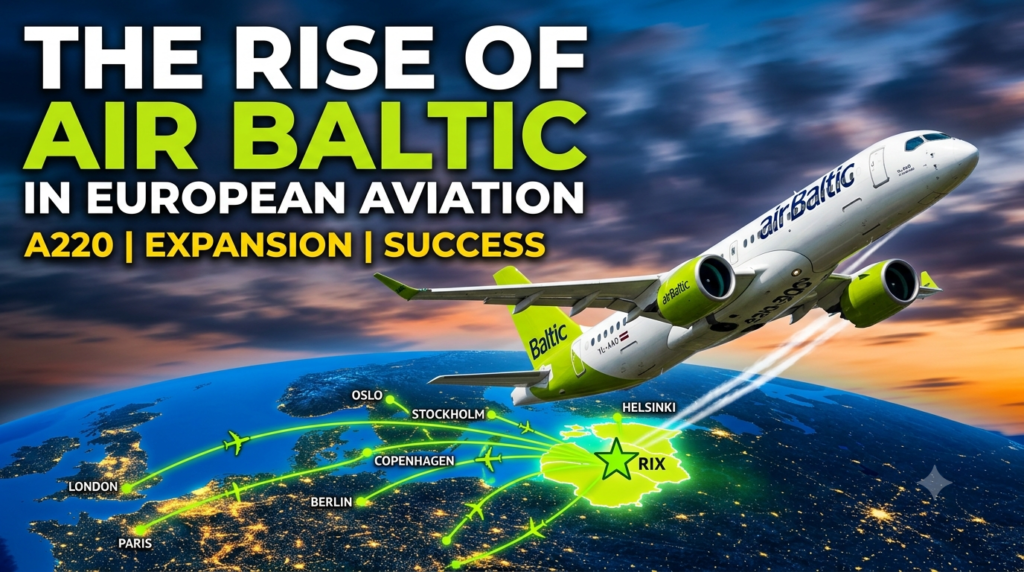
From Regional Carrier to European Contender
Air Baltic’s journey is a bit like watching a small football club slowly grow into a Champions League competitor. The airline started as a regional carrier serving Baltic states and nearby European destinations. Over time, however, its ambitions became much larger. Instead of trying to imitate legacy airlines or race-to-the-bottom budget carriers, Air Baltic built a hybrid strategy that blended affordability with quality service.
This strategy worked remarkably well because European travelers increasingly dislike extremes. Ultra-low-cost airlines may offer cheap fares, but they often frustrate passengers with hidden fees, airport inconveniences, and limited comfort. Traditional full-service airlines, meanwhile, can become expensive very quickly. Air Baltic stepped into the middle ground and created an offering that feels balanced.
The airline’s expansion has accelerated significantly in recent years. New routes across Europe, stronger partnerships, and increased fleet capacity helped Air Baltic gain visibility in major aviation markets. Reports from the aviation industry show the airline continues adding new European connections for winter 2026 and beyond.
Another important factor is timing. Europe’s aviation market has experienced enormous disruption over the last several years, including pandemic recovery, staffing shortages, operational delays, and rising fuel prices. Travelers became more open to trying newer or less traditional airlines if they could deliver smoother experiences. Air Baltic used this moment wisely.
Growing Demand for Smart European Travel
Modern European travelers think differently than previous generations. Nearly as important as cost is convenience. People want direct routes, reliable schedules, mobile-friendly booking systems, and comfortable cabins for short and medium-haul flights. Air Baltic aligned itself perfectly with these expectations.
The airline particularly appeals to younger professionals, digital nomads, remote workers, and frequent city-break travelers. Europe’s travel culture has changed dramatically because people now take shorter but more frequent trips. Instead of one long annual vacation, many travelers take multiple weekend or four-day trips throughout the year. Airlines capable of supporting this flexible lifestyle gain strong customer loyalty.
Air Baltic’s network structure also supports this trend. Its route map increasingly connects smaller European cities directly instead of forcing travelers through massive hubs. That saves time, reduces stress, and creates a smoother journey overall.
There is also a psychological element involved. Travelers often feel Air Baltic represents a modern European airline rather than an outdated aviation model. Its branding, digital systems, onboard experience, and environmental messaging create an image of innovation and progress. In today’s travel industry, perception matters enormously.
Modern Fleet Giving Travelers a Better Experience
The Airbus A220-300 Advantage
One of the biggest reasons behind Air Baltic’s popularity is its investment in the Airbus A220-300 fleet. The airline operates one of the world’s largest A220 fleets and continues expanding it aggressively.
For passengers, aircraft type might sound like an unimportant technical detail, but it changes the entire travel experience. The A220 is designed specifically for modern short and medium-haul routes. It offers larger windows, quieter cabins, wider seats, improved air quality, and better fuel efficiency compared to older aircraft models still used by many European carriers.
Flying on an older aircraft can sometimes feel like riding an old city bus with wings. The engines are louder, the cabin feels cramped, and turbulence feels harsher. The A220 creates a noticeably smoother and quieter experience. Travelers who fly frequently recognize this difference immediately.
The aircraft also allows Air Baltic to operate routes more efficiently. Because the A220 consumes significantly less fuel, the airline can maintain competitive pricing while still investing in customer experience improvements. According to aviation sustainability discussions, the A220 delivers major fuel savings compared to older-generation aircraft.
Why Younger Aircraft Matter to Passengers
Passengers may not always analyze fleet age statistics, but they absolutely feel the results. Newer aircraft generally mean fewer maintenance problems, better onboard systems, improved cabin design, and greater operational reliability.
Air Baltic’s fleet is considered one of the youngest in Europe. Younger fleets also help airlines maintain punctuality and reduce cancellations caused by technical issues. In a European market where delays and disruptions have become frustratingly common, reliability becomes a competitive advantage.
There is another important dimension here: environmental consciousness. European travelers increasingly care about sustainability. Many passengers actively compare airline environmental practices before booking flights. Younger aircraft usually produce fewer emissions and lower fuel consumption, helping environmentally conscious travelers feel better about flying.
This matters more than many airlines realize. Sustainability is no longer just a marketing slogan in Europe. It influences traveler behavior, corporate travel policies, and even government aviation regulations. Airlines ignoring this trend risk losing long-term competitiveness.
Route Expansion Across Europe
Connecting Major European Cities
Air Baltic has steadily expanded its European network, making it more attractive for both business and leisure travelers. The airline now connects major cities across Northern, Central, Eastern, and Western Europe through a growing list of direct routes.
This network strategy is smart because European travelers increasingly prioritize time efficiency. Nobody enjoys unnecessary layovers, airport transfers, or complicated itineraries. Direct connections save energy, reduce stress, and make travel more enjoyable overall.
The airline’s hubs in Riga, Tallinn, and Vilnius help it operate as a bridge between different parts of Europe. Travelers can efficiently connect Scandinavian countries with Central Europe, the Baltics with Mediterranean destinations, or business centers with leisure hotspots.
Air Baltic also benefits from focusing on routes that larger airlines sometimes overlook. Instead of fighting only for heavily crowded mega-routes, the airline builds strong positions in underserved markets. This gives travelers more choices and often provides better schedules than competitors.
The airline’s growth in cities outside traditional mega-hubs also reflects changing travel patterns. Remote work, regional business growth, and tourism diversification mean travelers increasingly explore destinations beyond London, Paris, and Frankfurt.
Seasonal and Leisure Destinations Boost Popularity
Leisure travel plays a huge role in Air Baltic’s popularity. European tourists increasingly seek flexible, affordable access to holiday destinations across the Mediterranean, Canary Islands, Alpine regions, and other vacation hotspots.
Air Baltic has expanded seasonal services to meet this demand. Industry reports show the airline continues launching new winter and leisure routes across Europe.
This flexibility matters because tourism demand changes rapidly. Travelers want airlines that respond quickly to emerging vacation trends. One year everyone wants Greek islands, another year Scandinavian winter tourism becomes fashionable. Agile airlines gain advantages in this environment.
The airline’s route strategy also supports “bleisure” travel — the combination of business and leisure trips. Many professionals now extend work trips into mini-vacations or work remotely from European cities for short periods. Air Baltic’s route structure supports this modern travel lifestyle extremely well.
Affordable Pricing Without Sacrificing Comfort

Hybrid Airline Model Explained
Air Baltic’s business model is one of the biggest reasons behind its growing reputation. The airline positions itself between traditional legacy carriers and ultra-low-cost airlines. This hybrid approach gives travelers the best parts of both worlds.
Budget airlines often strip away comfort in pursuit of lower costs. Legacy airlines provide better service but frequently charge premium prices. Air Baltic tries to avoid both extremes by offering reasonable fares alongside a more comfortable experience.
This model works especially well in Europe because the continent’s travelers are experienced and price-sensitive. Europeans fly frequently, compare airlines carefully, and quickly notice poor value. Travelers increasingly prefer airlines that feel fair rather than either luxurious or painfully basic.
Air Baltic’s pricing structure generally feels more transparent than many budget competitors. While optional extras still exist, passengers often feel they receive better overall value. The onboard experience, seat comfort, and operational reliability justify slightly higher fares compared to some ultra-cheap competitors.
That balance creates customer loyalty. Travelers who feel respected by an airline are more likely to return repeatedly, especially for business or frequent leisure trips.
Value for Budget and Business Travelers
Business travelers have become particularly important for Air Baltic’s growth. Many companies now want to reduce travel expenses without sacrificing employee comfort and productivity. Air Baltic fits perfectly into this corporate travel mindset.
The airline’s onboard environment supports work-focused passengers better than many low-cost competitors. Quiet cabins, comfortable seating, and improving digital connectivity create a more productive travel experience.
At the same time, leisure travelers appreciate that they can enjoy modern aircraft and quality service without paying luxury-airline prices. This dual appeal strengthens the airline’s market position considerably.
Air Baltic’s ability to attract both business and leisure segments is similar to a restaurant successfully serving both casual diners and professionals. Achieving that balance is difficult, but when done correctly, it creates broad and stable demand.
Technology and Innovation Setting Air Baltic Apart
Free Starlink Internet on Flights
One of Air Baltic’s most impressive innovations is the rollout of SpaceX Starlink internet connectivity across its fleet. The airline became the first European carrier to introduce this technology on its Airbus A220 aircraft.
This development is genuinely significant because inflight internet has traditionally been frustratingly slow, unreliable, or expensive. Starlink changes the equation completely by offering high-speed, low-latency internet capable of supporting streaming, remote work, and real-time communication.
For modern travelers, internet access feels almost as essential as electricity. People want to answer emails, join video calls, stream entertainment, or simply stay connected during flights. Airlines that solve this need gain a major competitive advantage.
Imagine sitting on a flight between Riga and Munich while continuing your remote work almost seamlessly. That level of connectivity transforms air travel from “lost time” into productive or enjoyable time. This especially appeals to younger professionals and digital workers.
This action is regarded by industry experts as a significant innovation milestone in European aviation.The airline’s willingness to adopt cutting-edge technology early reinforces its image as a forward-thinking carrier.
Digital Booking and Smooth Customer Experience
Technology improvements extend far beyond onboard internet. Air Baltic has invested heavily in digital booking systems, mobile functionality, self-service processes, and operational efficiency.
Travelers are increasingly using digital convenience to evaluate airlines. Nobody wants confusing apps, broken booking systems, or frustrating customer-service experiences. Air Baltic’s smoother digital ecosystem helps reduce travel stress.
This matters because air travel today is emotionally exhausting for many passengers. Long queues, delays, baggage concerns, and constant schedule changes create anxiety. Airlines capable of simplifying even part of the journey gain emotional loyalty from customers.
Digital convenience also supports operational efficiency. Faster check-ins, automated systems, and smoother customer communication help airlines recover more effectively during disruptions.
Sustainability Becoming a Core Strength
Fuel-Efficient Operations
Sustainability has become one of the defining challenges of European aviation. Governments, travelers, and corporations increasingly pressure airlines to reduce emissions and adopt greener operations.
Air Baltic positioned itself ahead of many competitors in this area. The airline’s investment in a single Airbus A220 fleet dramatically improves fuel efficiency and reduces environmental impact. Aviation industry discussions note that the aircraft consumes significantly less fuel compared to older models.
The airline also publicly supports long-term sustainability goals and operational efficiency improvements. This matters because European consumers increasingly reward companies perceived as environmentally responsible.
For younger travelers especially, sustainability influences brand preference. Airlines that appear careless about emissions risk damaging their image among environmentally conscious passengers.
Air Baltic’s sustainability efforts also align with broader European aviation trends. Industry organizations continue emphasizing sustainable aviation fuel development, emissions reduction, and greener fleet modernization across Europe.
Europe’s Push Toward Greener Aviation
European aviation is entering a transformative environmental era. Regulations surrounding emissions, sustainable fuels, and carbon reduction will become increasingly strict over the next decade.
Airlines prepared for this transition will likely outperform slower competitors. Air Baltic appears well-positioned because its fleet modernization already supports lower-emission operations.
The airline’s sustainability image also strengthens partnerships with corporate clients. Many European businesses now evaluate airline environmental performance when selecting travel partners. Companies want their travel policies aligned with broader environmental commitments.
This shift creates a powerful long-term advantage for airlines investing early in greener operations. Sustainability is becoming less of a marketing feature and more of a basic requirement for future competitiveness.
Safety and Reliability Building Trust

International Recognition and Awards
Trust is everything in aviation. Travelers may forgive small inconveniences, but they never compromise on safety or reliability. Air Baltic has gained increasing recognition for operational standards and safety performance.
The airline has received international awards and recognition related to safety and passenger satisfaction. Reports also note its inclusion among some of the world’s safer airlines in recent industry rankings.
Awards alone do not guarantee quality, but they influence traveler perception. Passengers feel more comfortable booking airlines that consistently receive industry recognition.
Air Baltic’s modern fleet further strengthens this confidence. Travelers often associate newer aircraft with better safety standards and operational reliability, even subconsciously.
The airline’s reputation for professionalism also supports business traveler growth. Corporate travelers especially value predictability, punctuality, and operational competence.
Operational Performance and Passenger Confidence
Reliability has become one of the most important factors in European aviation. Travelers are exhausted by cancellations, airport chaos, staffing shortages, and unpredictable schedules.
Air Baltic’s operational focus helps it stand out positively. While no airline completely avoids disruptions, passengers increasingly view Air Baltic as dependable relative to many competitors.
This perception matters enormously because trust compounds over time. A traveler who experiences smooth journeys repeatedly becomes emotionally attached to an airline brand.
Passenger confidence also spreads through word-of-mouth recommendations, travel blogs, social media reviews, and aviation communities. Modern travelers heavily influence one another online, and positive customer experiences create powerful organic marketing.
Passenger Experience That Feels Premium
Cabin Comfort and In-Flight Services
Air Baltic’s onboard atmosphere feels noticeably more refined than many budget competitors. The quieter Airbus A220 cabins, modern interiors, and thoughtful seating design create a more relaxed environment.
Comfort matters more than airlines sometimes admit. Even short European flights can feel exhausting when cabins are cramped or noisy. Air Baltic’s newer aircraft improve the physical experience considerably.
Passengers also appreciate small quality details. Clean cabins, professional crews, organized boarding processes, and smoother inflight services create psychological comfort. These details may seem minor individually, but together they shape the traveler’s overall perception.
The airline’s premium-feeling experience without premium-level pricing becomes particularly attractive during frequent travel. Travelers who fly often care deeply about reducing stress and fatigue.
Loyalty Programs and Extra Convenience
Customer loyalty increasingly depends on convenience rather than flashy luxury. Travelers want airlines that save time, reduce complications, and reward repeat business fairly.
Air Baltic’s loyalty offerings and growing partnerships help strengthen customer retention. Frequent travelers value benefits like smoother booking, flexible travel options, and improved service consistency.
Convenience also includes operational simplicity. Airlines that communicate clearly during delays, provide easy rebooking systems, and maintain efficient customer support create stronger long-term loyalty.
Modern airline competition increasingly resembles smartphone ecosystems. Once travelers become comfortable inside a smooth, reliable system, they hesitate to switch elsewhere.
Challenges and Competition in the European Airline Market

Competing with Budget Giants
Despite its success, Air Baltic faces intense competition. Europe’s airline market is one of the world’s most aggressive aviation environments. Giant low-cost carriers dominate many routes with enormous scale advantages.
Competing against these giants requires strategic precision. Air Baltic cannot simply win through cheaper tickets alone. Instead, it wins by offering better overall value and customer experience.
This strategy resembles a high-quality neighborhood café competing against massive fast-food chains. It cannot always match the lowest prices, but it can attract customers through better atmosphere, quality, and consistency.
The airline must continue maintaining this balance carefully. If prices rise too high, travelers may return to ultra-budget competitors. If costs are cut too aggressively, the passenger experience could suffer.
Managing Operational and Supply Chain Issues
Like many airlines globally, Air Baltic also faces operational pressures and supply-chain challenges. Aviation manufacturers continue experiencing delays affecting engines and aircraft maintenance across the industry.
These issues create risks for fleet expansion and route reliability. Managing growth while maintaining service quality is one of the biggest challenges any expanding airline faces.
The airline’s future success will depend partly on how effectively it navigates these external pressures while continuing to innovate.
Read More:-
How Does Strikingly Simplify the Website Building Process?
Building Your Dream Website with Site123
Boost Your E-commerce Strategy with YITH Plugins
Maximize Your Customer Engagement with LiveAgent’s Features
Why STRIPO is Essential for Digital Product Marketers
Why Air Baltic Could Shape the Future of European Travel
Expansion Plans for 2026 and Beyond
Air Baltic’s growth ambitions remain extremely strong. The airline continues expanding routes, increasing fleet size, and improving technological capabilities. Industry sources indicate the airline plans continued capacity expansion and long-term fleet growth.
This growth strategy reflects confidence in long-term European travel demand. Despite economic uncertainties, Europeans continue prioritizing mobility, tourism, and regional connectivity.
Air Baltic appears particularly well-positioned for a future where travelers demand efficiency, sustainability, and digital convenience simultaneously.
The airline’s willingness to adopt new technologies early may also help it remain competitive as aviation evolves further over the next decade.
What Travelers Can Expect Next
Travelers can likely expect Air Baltic to continue focusing on modernization, environmental improvements, digital innovation, and network expansion. Its ability to combine these elements while maintaining competitive pricing will determine whether it becomes a permanent European aviation leader.
The airline’s story also reflects broader changes happening across Europe’s travel industry. Passengers no longer separate affordability from quality as sharply as before. They expect both together.
Air Baltic recognized this shift earlier than many competitors. That foresight may ultimately explain why the airline is rapidly becoming a preferred choice for European travelers.




Conclusion
Air Baltic’s growing popularity is not built on a single feature or marketing campaign. It comes from a combination of smart decisions that align closely with what modern European travelers actually want. The airline invested in newer aircraft, expanded routes strategically, embraced technology early, prioritized sustainability, and maintained a passenger experience that feels more premium than its pricing suggests.
At a time when many travelers feel frustrated with crowded airports, outdated aircraft, hidden airline fees, and unreliable schedules, Air Baltic offers something refreshingly balanced. It combines efficiency with comfort, affordability with innovation, and modern branding with practical travel value.
As European aviation continues evolving, airlines that successfully balance these priorities will likely dominate the next generation of travel. Air Baltic appears increasingly ready to be one of them.
FAQs
Q. Why is Air Baltic becoming popular in Europe?
A. Air Baltic is gaining popularity because it combines affordable pricing with modern aircraft, better passenger comfort, expanding European routes, and strong technological innovation like Starlink inflight internet.
Q. What aircraft does Air Baltic mainly use?
A. Air Baltic primarily operates the Airbus A220-300, one of the newest and most fuel-efficient aircraft types currently used in European aviation.
Q. Does Air Baltic offer free Wi-Fi?
A. Yes, Air Baltic has introduced free SpaceX Starlink internet on its flights, becoming one of the first European airlines to provide this service.
Q. Is Air Baltic considered environmentally friendly?
A. Compared to many competitors, Air Baltic is viewed as more environmentally efficient because of its modern Airbus A220 fleet and focus on lower-emission operations.
Q. Which destinations does Air Baltic serve?
A. Air Baltic serves more than 70 destinations across Europe, including business capitals, leisure hotspots, Scandinavian cities, and Baltic regional connections.