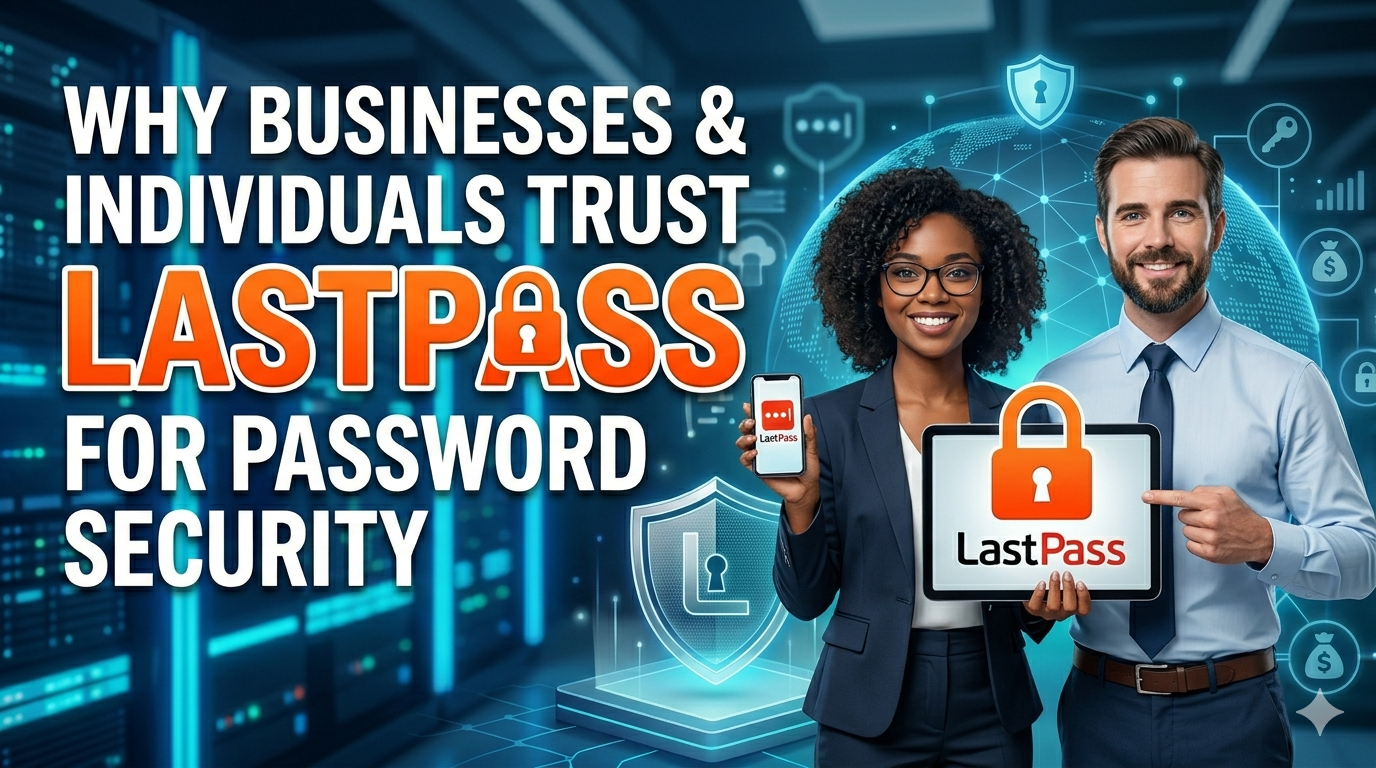
Discover why businesses and individuals trust LastPass for password security in 2026. This detailed guide explores LastPass features like zero-knowledge encryption, password generation, multi-factor authentication, secure password sharing, and dark web monitoring. Learn how LastPass helps organizations improve access management while making online security simple and convenient for everyday users. The article also compares LastPass with other password managers, explains its security architecture, and highlights why password managers remain essential in today’s rapidly evolving cybersecurity landscape.
Table of Contents
- The Growing Need for Password Security in 2026
- How Does LastPass Operate?
- Key Features That Make LastPass Popular
- Why Businesses Prefer LastPass
- Why Individuals Trust LastPass
- LastPass Security Architecture Explained
- Comparing LastPass With Other Password Managers
- Common Concerns About LastPass
- The Future of Password Security
- Conclusion
- FAQs
The Growing Need for Password Security in 2026
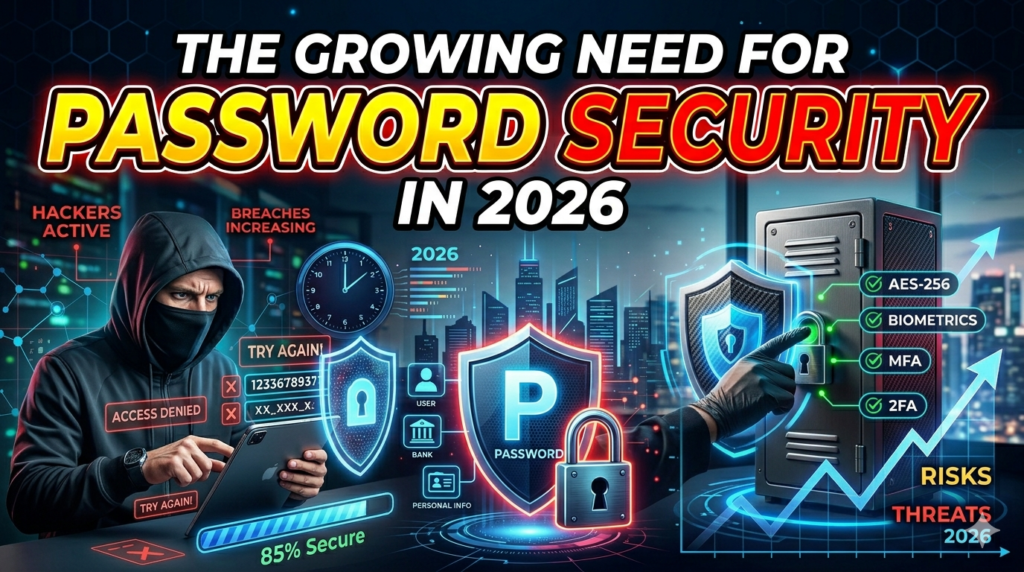
The digital world is moving faster than ever, but so are cybercriminals. Every online account we create becomes another potential entry point for hackers. Think about it for a second—most people today manage dozens, sometimes even hundreds, of online accounts. From banking apps and streaming subscriptions to workplace dashboards and shopping websites, passwords are everywhere. Remembering all of them without reusing simple combinations feels almost impossible. That is exactly why password managers have become essential rather than optional.
Recent cybersecurity reports show that cyberattacks continue to increase globally. According to industry market reports, the password management market itself is expected to grow rapidly over the next decade because businesses and individuals are prioritizing digital security more than ever before. At the same time, studies indicate that credential theft and phishing attacks remain among the biggest cyber threats organizations face in 2026.
What makes the situation worse is human behavior. Most users still create weak passwords, reuse the same credentials across multiple websites, or store passwords in unsafe places like notebooks and browser notes. Even when people know better, convenience often wins over security. It is similar to locking your front door but leaving the windows open. Hackers know this, and they exploit it constantly through credential stuffing, phishing emails, and brute-force attacks.
This environment has pushed both companies and individuals toward trusted password management solutions. Among the leading names in the industry, LastPass has remained one of the most recognized platforms for simplifying password security while maintaining strong protection standards. Its combination of usability, encryption technology, and enterprise-level controls has made it a preferred solution across different user groups.
How Does LastPass Operate?
At its core, LastPass is a password manager designed to securely store login credentials, payment information, secure notes, and other sensitive digital data in an encrypted vault. Instead of remembering dozens of complicated passwords, users only need to remember one master password. Everything else is securely managed by the platform. It sounds simple, but that simplicity is exactly what attracts millions of users worldwide.
The technology behind password vaults works like a highly secured digital safe. When a user saves credentials in LastPass, the data becomes encrypted before it reaches the company’s servers. This process ensures that nobody—not even LastPass employees—can view the actual passwords stored in the vault. This model is commonly called zero-knowledge encryption, and it has become one of the strongest trust factors for password management systems.
Additionally, LastPass eliminates a significant portion of the daily annoyance associated with password management. Its autofill functionality automatically inserts usernames and passwords into login pages, reducing the need to manually type credentials every time. The platform can also generate highly complex passwords instantly, helping users avoid predictable combinations like “password123” or birth dates. According to security experts, using long and unique passwords is one of the most effective ways to improve online protection.
Another reason users appreciate LastPass is cross-device synchronization. The password vault is still accessible whether a person uses a tablet at home, an Android phone when traveling, or a PC at work. That convenience transforms password security from something stressful into something nearly invisible. Instead of constantly resetting forgotten passwords, users can focus on their work and personal activities without interruption.
Key Features That Make LastPass Popular
One major reason people continue trusting LastPass is the platform’s extensive feature set. It is not just a basic password storage app anymore. Over the years, it has evolved into a complete digital identity and access management tool. The platform combines security, automation, and convenience in ways that make daily online life easier while simultaneously improving protection.
The password generator is one of its most valuable features. Many people create weak passwords because strong passwords are hard to remember. LastPass solves this problem by generating long, randomized credentials that are extremely difficult to crack. Since the passwords are stored securely inside the vault, users never need to memorize them. This eliminates the temptation to reuse the same password repeatedly across different websites.
Another highly trusted feature is secure password sharing. Businesses often need employees to access shared accounts, software platforms, or administrative dashboards. Traditionally, passwords were shared through unsafe methods like email messages, spreadsheets, or chat apps. LastPass changes this process by allowing encrypted credential sharing without revealing the actual password. That feature dramatically reduces internal security risks and improves accountability inside organizations.
Dark web monitoring has also become increasingly important. Cybercriminal marketplaces frequently sell stolen credentials online after data breaches occur. LastPass monitors for exposed information and alerts users if their credentials appear in compromised databases. This proactive approach gives users an opportunity to change passwords before attackers can misuse the accounts.
Multi-factor authentication adds another layer of protection. Even if someone manages to steal a password, MFA requires additional verification such as biometric scans, authentication apps, or device approvals. Industry-wide trends clearly show that passwordless and biometric authentication methods are becoming more common in cybersecurity strategies. LastPass integrates these security practices directly into its platform, helping users adapt to modern authentication standards.
Why Businesses Prefer LastPass
Businesses face cybersecurity challenges on an entirely different scale compared to individual users. A single compromised password can expose customer databases, financial systems, employee records, or confidential intellectual property. For companies managing hundreds or thousands of employee accounts, manually handling credentials becomes chaotic and dangerous very quickly. This is where LastPass positions itself as more than just a convenience tool—it becomes part of organizational cybersecurity infrastructure.
One of the biggest advantages for businesses is centralized access management. Administrators can control who gets access to specific systems, monitor login activity, enforce password policies, and revoke credentials instantly when employees leave the company. Without such systems, organizations often struggle with “credential sprawl,” where passwords become scattered across teams, spreadsheets, and unmanaged devices. Security experts consistently warn that poor credential management increases breach risks significantly.
LastPass also simplifies collaboration inside teams. Imagine a marketing department using shared social media accounts or a software development team managing cloud infrastructure credentials. Instead of exposing sensitive passwords directly, LastPass allows secure sharing with permission controls. Employees can access necessary tools without actually viewing the credentials themselves. That reduces insider threats and accidental password leaks.
Compliance is another major reason enterprises adopt password managers. Many industries must follow strict cybersecurity regulations regarding data protection and access control. LastPass helps organizations meet these requirements by offering auditing capabilities, administrative oversight, and secure authentication systems. The rise in remote and hybrid work environments has made these controls even more important because employees now access systems from multiple locations and devices.
The enterprise password management market itself continues expanding rapidly because businesses recognize password security as a strategic necessity rather than an IT afterthought. Market forecasts predict substantial growth in enterprise password management solutions throughout the coming decade. This growing investment reflects increasing trust in platforms like LastPass that combine scalability, usability, and strong encryption standards.
Why Individuals Trust LastPass
While enterprises value administrative controls and compliance, individuals usually focus on simplicity and peace of mind. Most people are not cybersecurity experts. They simply want a reliable way to secure their online lives without turning password management into a full-time job. LastPass succeeds largely because it makes strong security feel easy instead of intimidating.
Convenience is perhaps the strongest trust factor among everyday users. Logging into websites becomes almost effortless through autofill technology. Instead of struggling to remember complicated passwords, users can sign in with a single click. This experience matters because people naturally avoid security systems that feel frustrating or time-consuming. LastPass removes friction while quietly improving protection behind the scenes.
Cross-platform support also plays a major role. People switch constantly between smartphones, laptops, tablets, and browsers throughout the day. A password manager that works seamlessly across devices becomes incredibly valuable. LastPass supports multiple operating systems and browsers, allowing users to maintain continuity regardless of the device they use.
Another major trust factor is protection against password reuse. Studies repeatedly show that many users still recycle passwords across multiple websites. When one platform experiences a breach, attackers test those same credentials on banking apps, email accounts, and social media platforms. Password managers eliminate this habit by generating unique passwords for every account automatically. That dramatically reduces the damage caused by a single breach.
The interface design matters too. Security software often fails because it feels too technical for average users. LastPass keeps the experience user-friendly while still delivering advanced security capabilities. The dashboard clearly identifies weak, reused, or compromised passwords and provides actionable recommendations for improving security. That balance between simplicity and protection is one of the biggest reasons individuals continue placing trust in the platform.
LastPass Security Architecture Explained
Trust in a password manager depends entirely on security architecture. After all, users are storing some of their most sensitive digital information inside a single platform. If that platform is weak, the entire security model collapses. This is why LastPass heavily emphasizes its encryption systems, monitoring infrastructure, and security transformation efforts.
The foundation of LastPass security is its zero-knowledge architecture. In simple terms, this means user data is encrypted locally before it reaches LastPass servers. The company itself cannot view the contents of user vaults because the encryption keys remain tied to the user’s master password. This architecture significantly limits exposure even if servers are targeted by attackers.
Continuous monitoring also plays a major role. Modern cyber threats evolve constantly, so security platforms cannot remain static. LastPass regularly updates its infrastructure, patches vulnerabilities, and monitors suspicious activity patterns. The company has also published updates regarding phishing campaigns targeting customers, helping users recognize and avoid social engineering attacks. Transparency in these situations helps reinforce trust because users can see that the company actively responds to threats rather than ignoring them.
Here is a brief comparison of the main security features that LastPass provides:
| Feature | Purpose | Benefit |
| Zero-Knowledge Encryption | Encrypts data locally | Prevents unauthorized vault access |
| Password Generator | Creates strong passwords | Reduces weak password risks |
| MFA Support | Adds secondary verification | Improves account security |
| Dark Web Monitoring | Detects compromised credentials | Enables faster response to breaches |
| Secure Sharing | Shares passwords safely | Protects team collaboration |
| Security Dashboard | Identifies weak passwords | Encourages stronger security habits |
Security researchers have occasionally raised concerns about vulnerabilities in password management systems across the industry, including LastPass, Bitwarden, and Dashlane. Nonetheless, experts continue to concur that utilizing a reliable password manager is still far safer than using manually stored or reused passwords. The key difference lies in how companies respond to identified weaknesses, apply fixes, and strengthen security practices over time.
Comparing LastPass With Other Password Managers
The password manager industry has become highly competitive. Users today can choose from options like Google Password Manager, Bitwarden, 1Password, Dashlane, Keeper, NordPass, and many others. So why does LastPass continue holding strong recognition despite this crowded market?
One important advantage is feature depth. Browser-based managers like Google Password Manager work well for basic password storage, especially inside Chrome and Android ecosystems. However, dedicated password managers such as LastPass typically provide more advanced capabilities like secure password sharing, business administration tools, dark web monitoring, and enterprise integrations.
Compared to competitors like 1Password and Bitwarden, LastPass focuses heavily on balancing accessibility with enterprise-grade functionality. Bitwarden attracts users seeking open-source transparency and generous free features, while 1Password is often praised for premium usability and family sharing options. LastPass, meanwhile, appeals strongly to organizations that need scalable access management alongside everyday convenience.
Pricing also influences user trust. LastPass offers both free and premium plans, making it accessible for individuals while still supporting enterprise deployments. Businesses appreciate flexible subscription structures because they can scale security investments according to team size and operational complexity.
Another difference lies in ecosystem maturity. LastPass has spent years building integrations with browsers, operating systems, business directories, and authentication systems. This extensive compatibility reduces friction for organizations transitioning toward centralized password management solutions.
Read More:-
How Does Strikingly Simplify the Website Building Process?
Building Your Dream Website with Site123
Boost Your E-commerce Strategy with YITH Plugins
Maximize Your Customer Engagement with LiveAgent’s Features
Why STRIPO is Essential for Digital Product Marketers
Common Concerns About LastPass
No discussion about LastPass would be complete without acknowledging the concerns surrounding past security incidents. Trust in cybersecurity is fragile, and any breach naturally raises serious questions. Some users became skeptical after earlier security events involving the company, wondering whether password managers themselves could become targets for attackers.
These concerns are understandable. When people entrust a platform with highly sensitive credentials, expectations become extremely high. Security researchers have continued evaluating password management systems broadly, identifying vulnerabilities and recommending stronger cryptographic protections across the industry. The reality is that cybersecurity is not a static achievement—it is an ongoing process of adaptation and defense.
What matters most is how companies respond. LastPass has publicly emphasized major security transformations, stronger encryption practices, independent audits, and infrastructure improvements following earlier incidents. The company also increased transparency regarding phishing threats and security updates, helping users stay informed about evolving attack methods.
Interestingly, many cybersecurity professionals still recommend password managers despite these incidents because the alternatives are often worse. Writing passwords in notebooks, storing them in spreadsheets, or reusing weak credentials across accounts creates significantly higher risks. Security experts generally agree that properly configured password managers with MFA enabled remain one of the safest practical solutions for most users today.
Trust is rarely about perfection. It is about resilience, transparency, and continuous improvement. LastPass continues investing heavily in these areas because maintaining user confidence is essential in the cybersecurity industry.
The Future of Password Security
The future of authentication is changing rapidly. Technology companies are increasingly moving toward passkeys, biometric authentication, and passwordless systems. Microsoft’s recent transition toward Windows Hello authentication reflects a broader industry shift away from traditional password-based security.
At first glance, this trend might make password managers seem less important. But the reality is more nuanced. Most websites and services still rely heavily on passwords, and the transition toward passwordless authentication will likely take many years. During this transition period, password managers remain critical because users still need secure ways to manage credentials across old and new systems simultaneously.
Password managers are also evolving alongside these technologies. LastPass now supports passkeys and advanced authentication methods, positioning itself not just as a password vault but as a broader identity management platform. Instead of disappearing, password managers are adapting to support the next generation of authentication standards.
The growing size of the password management industry reflects this ongoing relevance. Market research forecasts billions of dollars in future growth driven by increasing cyber threats, stricter compliance regulations, and expanding digital ecosystems. Organizations and individuals alike recognize that digital identity protection is becoming one of the most important aspects of modern cybersecurity.



Conclusion
Password security has become one of the defining cybersecurity challenges of the modern digital era. Businesses and individuals alike require workable solutions that combine robust protection with everyday use as cyber dangers continue to evolve. LastPass has earned trust by addressing both sides of that equation. It simplifies password management while implementing advanced security features like zero-knowledge encryption, multi-factor authentication, secure sharing, and dark web monitoring.
Businesses value LastPass because it strengthens access management, improves collaboration security, and supports compliance requirements. Individuals trust it because it removes the stress of remembering countless passwords while protecting against weak credential habits and phishing risks. The platform’s continued investment in security architecture and modern authentication methods also demonstrates its commitment to adapting alongside the cybersecurity landscape.
No security solution is completely immune to risks, and password management systems will always remain attractive targets for attackers. Still, for most users, using a reputable password manager with strong security practices is dramatically safer than relying on weak, reused, or manually stored passwords. In a world where digital identities are constantly under attack, LastPass continues positioning itself as a trusted partner in online security.
FAQs
Q. Is LastPass still safe to use in 2026?
A. Yes, LastPass continues implementing strong encryption, MFA support, and security upgrades. While concerns from past incidents remain part of public discussion, many experts still consider password managers safer than weak or reused passwords.
Q. Why do businesses use LastPass?
A. Businesses use LastPass for centralized password management, secure credential sharing, employee access control, and compliance support. It helps organizations reduce security risks associated with poor password practices.
Q. Does LastPass work across multiple devices?
A. Yes, LastPass supports synchronization across smartphones, tablets, laptops, and browsers, allowing users to securely access passwords from different devices.
Q. What makes LastPass different from browser password managers?
A. Unlike basic browser password tools, LastPass offers advanced features such as dark web monitoring, secure password sharing, enterprise controls, MFA integration, and security dashboards.
Q. Are password managers better than memorizing passwords?
A. Absolutely. Password managers generate and store unique, strong passwords for every account, reducing the risks associated with weak or reused credentials.