
Remote work isn’t just a buzzword anymore — it’s a major workplace revolution reshaping how businesses operate and how professionals live their lives. What started as an emergency solution during the pandemic has morphed into a long-term shift that touches everything from employee expectations and mental health to corporate strategy and global hiring practices. In this deep dive, we’ll explore the latest trends, real-world data, strategic challenges, personal implications, and opportunities that define the remote work landscape as we approach 2026.
Table of Contents
- Introduction to Remote Work Dynamics
- Remote Work: A Historical Perspective
- The Modern Remote Work Landscape
- Why Remote Work Matters Today
- Remote Work Tools That Changed the Game
- The Competitive World of Remote Hiring
- Key Skills for Remote Work Success
- Leadership in a Remote Era
- Social and Psychological Impacts
- Remote Work, Productivity, and Performance
- Cybersecurity in a Distributed Workforce
- Legal & Compliance Considerations
- Technology Trends Shaping Remote Work
- Remote Work’s Economic Ripple Effects
- Challenges Remote Workers Face
- Remote Work and Inclusion
- Future Predictions for Remote Work
- Is Remote Work a Perk or Expectation?
- Strategies for Thriving in the Virtual Workplace
- Conclusion
- 📌 FAQs (Unique)
Introduction to Remote Work Dynamics
Remote work has transitioned from being an emergency contingency plan to a central element of global work culture. No longer confined to niche tech companies or freelancing gigs, it now influences how Fortune 500 companies think about productivity, culture, and talent. Today’s remote work landscape involves a delicate balance between technological innovation, team cohesion, organizational trust, and employee wellbeing. As hybrid models gain prominence, understanding how to navigate this virtual terrain is essential for both workers and businesses.
Remote Work: A Historical Perspective
Remote work didn’t become mainstream overnight. Before the 2020 pandemic, it was a relatively fringe concept in the global workforce. Most employees still commuted to offices daily. But when health concerns shut down physical workplaces, remote work went from optional to essential. In the years since, companies and workers alike had to rapidly adapt, and what once felt like a temporary fix became a lasting structural shift. This evolution set the stage for the dynamics we’re witnessing today, where remote work is part of the “new normal.”
The Modern Remote Work Landscape
Current Adoption Rates
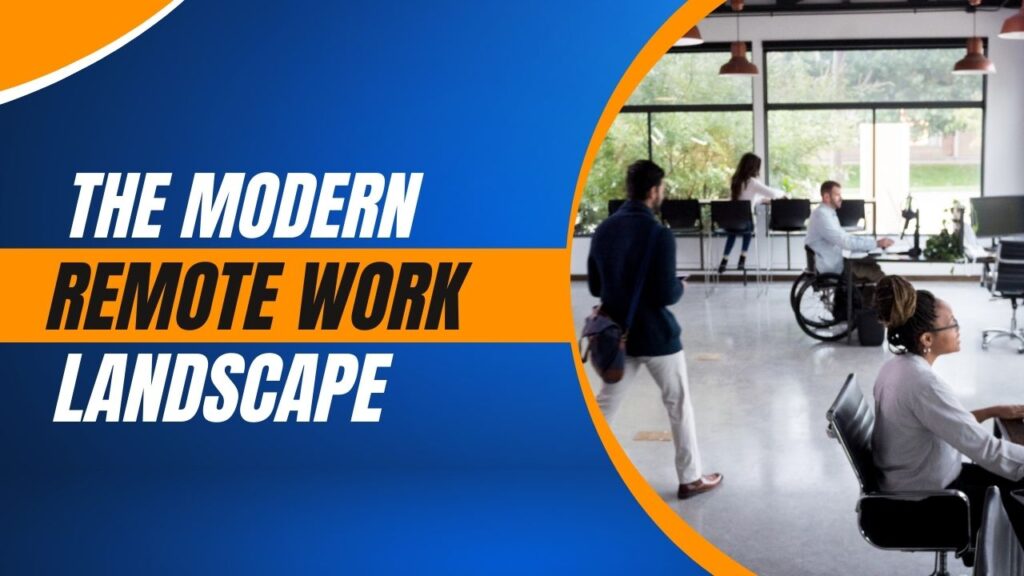
By 2025–2026, remote work isn’t rare — it is widespread. Nearly 80% of employees whose jobs can be done remotely work either in hybrid setups (52%) or fully remote (26%), according to recent workforce data. Remote work adoption has dramatically increased from pre-pandemic levels, where only a small fraction of workers operated outside traditional offices.
Hybrid vs Fully Remote: What Workers Prefer
While fully remote roles remain popular, most workers now prefer hybrid models — a mix of remote and office work. This blend preserves flexibility while maintaining social connection and professional growth opportunities. In fact, hybrid schedules are often seen as the best compromise between autonomy and workplace culture.
Why Remote Work Matters Today
Flexibility and Work-Life Balance
Remote work redefines where and how people spend their workdays. For many employees, that flexibility goes beyond mere convenience — it dramatically improves their quality of life. A large majority of workers now list remote work flexibility as a top priority, often valuing it even above salary.
Impact on Global Talent Pools
Beyond individual benefits, remote work has globalized hiring. Companies can now tap into talent anywhere, breaking geographical barriers that once limited recruitment. Remote recruiting enables access to diverse skills, perspectives, and cultures — a huge strategic advantage in today’s competitive economy.
Remote Work Tools That Changed the Game
Communication Platforms
Tools like video conferencing and real-time chat platforms made remote work practical rather than hypothetical. They created spaces where teams could collaborate, innovate, and connect despite physical distance.
Project and Workflow Tools
Project management software digitized workflows and provided transparency across remote teams. These tools helped organizations track progress, manage deadlines, and maintain accountability — all essential for high-functioning distributed work.
The Competitive World of Remote Hiring
Remote positions are now significantly more competitive than in-office roles. Data shows that remote jobs on major job boards are harder to land, often requiring strong self-management skills and prior remote experience. This competition shows how sought-after flexibility has become and how companies are striving to find the right fit for digital work environments.
Key Skills for Remote Work Success
Remote work demands more than technical skills — it requires digital communication fluency, time management, self-discipline, and asynchronous collaboration abilities. Experts note that basic digital capabilities alone aren’t enough; strategic thinking and proactive communication are critical in virtual workplaces.
Leadership in a Remote Era
Managing remote teams is a different ballgame than traditional leadership. Managers must focus on outcome-driven performance indicators, build trust without physical oversight, and adapt communication styles to digital platforms. Leadership in remote contexts isn’t about checking in — it’s about empowering teams to thrive independently.
Latest Post



Social and Psychological Impacts
Loneliness and Isolation
Remote work isn’t always a utopia. Some workers — especially younger professionals — report increased loneliness and a sense of disconnection from teammates, pushing many to favor in-office days for social interaction.
Team Culture Challenges
Building and maintaining team culture remotely requires intentional practices. Without informal office interactions, organizations must foster engagement through virtual events, regular check-ins, and digital social systems.
Remote Work, Productivity, and Performance
Contrary to early skepticism, many employees report being more productive in remote settings. Remote work eliminates daily commutes, cuts office distractions, and can help workers focus more deeply. Yet, productivity gains often depend on individual work styles and the quality of support infrastructure.
Cybersecurity in a Distributed Workforce
Remote work has expanded the threat surface for data breaches and cyberattacks. Personal devices and home networks far outstrip traditional office firewalls in vulnerability, pushing companies to invest heavily in advanced safeguards like encryption and endpoint monitoring.
Legal & Compliance Considerations
https://remote.com/As remote work grows, legal complexities arise around employment law, data privacy, and cross-border regulations. Organizations must navigate evolving rules to protect intellectual property and ensure worker rights are upheld.
Technology Trends Shaping Remote Work
Artificial intelligence, immersive platforms like virtual reality, and smarter collaboration tools are redefining remote work capabilities. Technology is not just a convenience — it is a core driver of how teams operate in distributed environments.
Remote Work’s Economic Ripple Effects
Remote work is reshaping not only businesses but entire economies. Trends show shifts in urban commuting patterns, reduced demand for commercial real estate, and even influences on regional birth rates as workers balance personal and professional lives.
Read More:-
The Hussle Advantage: Elevate Your Performance
Enhance Your Videos with Movavi (US): A Comprehensive Review
Red Letter Days: Your Ticket to Unforgettable Experiences
Ordnance Survey: Your Guide to Outdoor Discovery
Flamingo Shop: Your Ultimate Pink Shopping Destination
Challenges Remote Workers Face
Managing Work-Life Boundaries
Blurring lines between home and work can make it hard for remote workers to “switch off.” Without clear separation, burnout becomes a real risk.
Career Path and Visibility Issues
Remote employees sometimes struggle with visibility and professional advancement, as in-office presence still plays a role in networking and leadership opportunities.
Remote Work and Inclusion
Remote work has unlocked opportunities for many groups — including people with disabilities — offering flexibility that traditional workplaces often couldn’t provide. However, reductions in remote job listings could threaten this progress, especially for those who rely on remote access for employment.
Future Predictions for Remote Work
Looking ahead, remote work will continue evolving. Experts predict it will become more of a strategic benefit that differentiates employers and influences talent acquisition. Companies that embrace hybrid flexibility are likely to stay ahead in the battle for top talent.
Is Remote Work a Perk or Expectation?
Remote work has moved from a perk to a baseline expectation for many professionals. As workers prioritize flexibility and autonomy, organizations that resist this shift may struggle to attract and retain talent.
Strategies for Thriving in the Virtual Workplace
Workers and employers alike can cultivate success in remote environments by prioritizing digital wellbeing, continuous learning, effective communication, and robust technological support. Remote work shouldn’t be an afterthought — it should be a core element of strategic planning.
Conclusion
Remote work has transformed the fabric of professional life. What once seemed temporary is now deeply woven into how organizations function and how individuals define work-life harmony. Navigating this virtual landscape requires adaptability, digital literacy, emotional intelligence, and a forward-thinking mindset. As we move further into 2026, remote work dynamics will continue shaping careers, cultures, and economies worldwide — for better and in complex ways that demand human-centered solutions.
📌 FAQs (Unique)
Q. Is remote work here to stay?
A. Yes — remote and hybrid models have become long-term fixtures in the global work landscape, driven by worker preferences and business efficiencies.
Q. Do remote workers miss out on promotions?
A. Some studies show remote workers may struggle with visibility compared to in-office peers, but intentional career strategies and strong performance can help bridge the gap.
Q. What skills are most critical for remote success?
A. Digital communication, time management, self-motivation, and cross-cultural collaboration are essential in remote contexts.
Q. Can remote work harm mental health?
A. Remote work can contribute to isolation and loneliness for some employees, especially when social support and community are lacking.
Q. How does remote work impact cybersecurity?
A. Remote environments introduce new risks, making cybersecurity investments like encryption and monitoring tools more essential than ever.