
Outschool (US) In-Depth: A Guide to Virtual Learning Adventures explores how Outschool (US) is transforming online education through live, interactive classes for kids and teens. This guide covers how the platform works, the types of courses available, benefits for parents and learners, and why Outschool (US) is a popular choice for flexible, interest-based virtual learning.
Table of Contents
- What Makes Outschool Different from Traditional Learning?
- How Outschool Works: A Simple Breakdown
- Subjects and Courses Offered on Outschool
- Who Is Outschool For?
- Learning Experience on Outschool
- Pricing, Payments, and Class Formats
- Benefits of Outschool for Students and Parents
- Potential Drawbacks to Consider
- Outschool vs Other Online Learning Platforms
- How to Get Started with Outschool
- Tips to Choose the Right Class
- Future of Virtual Learning with Outschool
- Conclusion
- FAQs
What Makes Outschool Different from Traditional Learning?
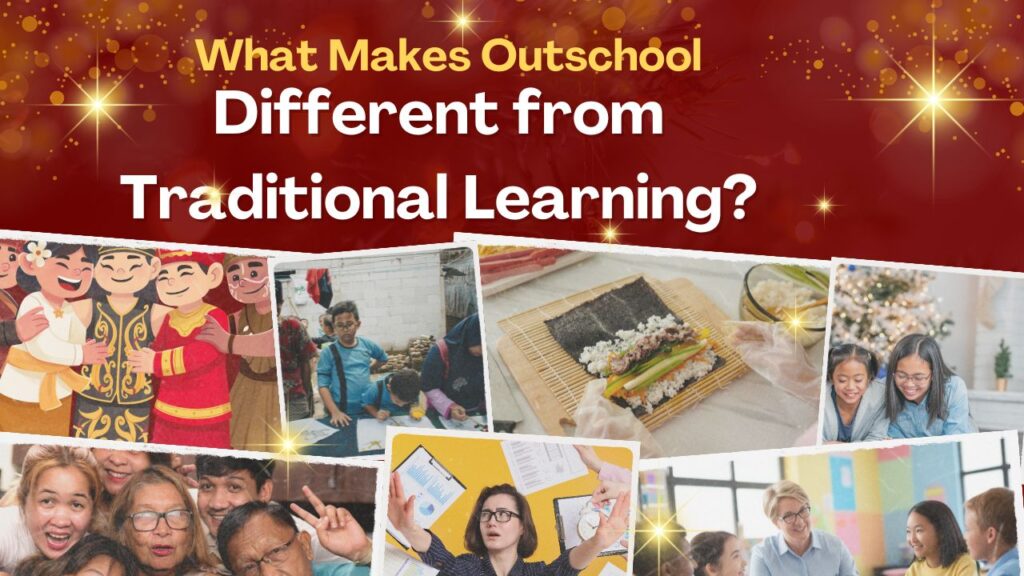
Traditional education often moves at a fixed pace, regardless of whether a child is bored or overwhelmed. Outschool breaks that mold completely. Here, learning is interest-driven. Kids choose what they want to learn, when they want to learn it, and how deep they want to go.
Instead of passive lectures, Outschool emphasizes discussion, creativity, and participation. Think of it as Netflix for education—but live, interactive, and way more engaging.
How Outschool Works: A Simple Breakdown
Outschool operates entirely online and is surprisingly simple to use. Parents create an account, browse classes, enroll their child, and attend sessions via live video.
Live Online Classes Explained
All classes are live, meaning students interact with real teachers and classmates in real time. No pre-recorded boredom here. Kids can ask questions, share ideas, and collaborate just like in a physical classroom.
Role of Independent Educators
Outschool teachers are independent educators with diverse backgrounds. Some are certified teachers, others are industry professionals, artists, engineers, or authors. What unites them is passion and expertise.
Flexible Scheduling for Families
Classes are available across multiple time zones, making it easy for families to find sessions that fit their routine. Whether you prefer weekday afternoons or weekend mornings, there’s something for everyone.
Subjects and Courses Offered on Outschool

One of Outschool’s biggest strengths is its massive variety of subjects. If your child can imagine it, chances are there’s a class for it.
Core Academic Subjects
Outschool covers traditional academics like math, science, reading, writing, history, and geography. These classes often use creative approaches that make tough topics easier to digest.
Creative and Artistic Classes
From watercolor painting and digital art to acting and music composition, creative classes allow kids to express themselves freely. These sessions are often confidence-boosters, especially for shy learners.
Life Skills and Social Learning
Public speaking, emotional intelligence, debate, entrepreneurship, and even personal finance for teens—Out School treats life skills as equally important as academics.
STEM and Coding Adventures
STEM classes are some of the most popular offerings on Out School.
Popular Coding Languages Taught
Kids can learn Scratch, Python, JavaScript, and even game development concepts in a fun, age-appropriate way.
Beginner vs Advanced STEM Classes
Whether your child is touching code for the first time or building complex projects, there are classes tailored to every level.
Who Is Outschool For?
Outschool is designed for learners aged roughly 3 to 18, but its appeal goes far beyond age.
Homeschooling Families
For homeschoolers, Outschool acts like a global co-op. It fills curriculum gaps and introduces kids to subjects parents may not feel confident teaching.
Supplemental Learning for School Students
Many families use Outschool as enrichment alongside regular school. It’s perfect for exploring interests that schools don’t usually cover.
Gifted Learners and Special Interests
Gifted learners thrive on Outschool because they can move at their own pace and dive deep into niche topics without waiting for others to catch up.
Learning Experience on Outschool
So what does a typical class feel like? Surprisingly human.
Class Sizes and Interaction
Most classes are small, often between 3 and 10 students. This ensures personal attention and meaningful interaction.
Teaching Style and Engagement
Teachers use slides, games, discussions, and hands-on activities to keep kids engaged. Many classes feel more like conversations than lectures.
Student Safety and Privacy
Outschool prioritizes child safety. Classes are monitored, communication tools are controlled, and teachers undergo background checks.
Latest Post



Pricing, Payments, and Class Formats
Outschool uses a pay-per-class model, giving families full control over spending.
One-Time Classes
These are perfect for trying new topics without long-term commitment.
Multi-Week Courses
Ideal for structured learning, such as math progressions or language studies.
Clubs and Ongoing Sessions
Ongoing clubs focus on social interaction, shared interests, and community building.
Benefits of Outschool for Students and Parents
For students, Outschool builds confidence, independence, and a love for learning. For parents, it offers flexibility, transparency, and choice. No rigid contracts. No wasted tuition.
Potential Drawbacks to Consider
Outschool isn’t free, and screen time is unavoidable. Also, because it’s interest-driven, younger kids may need parental guidance to stay consistent.
Outschool vs Other Online Learning Platforms
Unlike rigid curriculum-based platforms, Outside of school focuses on live interaction and learner choice. It feels less like school and more like guided exploration.
Read More:-
Online NL Affiliate Program: Your Blueprint for Financial Freedom
Klook US Affiliate Program: Transform Clicks into Profits
Klook US Affiliates: Your Key to Adventure-Inspired Earnings
Legimi PL Affiliate Success Roadmap: Charting Your Financial Course
Connect with Confidence: Choose Lebara NL for Mobile Excellence
How to Get Started with Outschool
Sign up, browse classes, read reviews, and enroll. That’s it. Most families are up and running within minutes.
Tips to Choose the Right Class

- Read teacher reviews carefully
- Check age ranges and class size
- Start with one-time classes
- Ask your child what excites them
Future of Virtual Learning with Outschool
As education continues to evolve, platforms like Outschool represent the future—personalized, flexible, and human-centered learning without borders.
Conclusion
Outschool isn’t just an online classroom; it’s a learning playground. It empowers kids to chase curiosity, build skills, and connect with teachers who genuinely care. Whether you’re homeschooling, supplementing school, or just exploring passions, Outschool offers a refreshing alternative to traditional education—one live class at a time.
FAQs
Q. Is Outschool only for US students?
A. No, students from all over the world can join Outschool classes.
Q. Do parents need to stay during classes?
A. For younger children, parental supervision is recommended. Older students usually attend independently.
Q. Are Outschool teachers certified?
A. Some are certified teachers, while others are professionals with subject-matter expertise.
Q. Can Outschool replace traditional schooling?
A. It can support homeschooling but is mainly used as a supplement or enrichment platform.
Q. What equipment is needed for Outschool classes?
A. A stable internet connection, a device with a camera and microphone, and a quiet space.