
Discover how FX Pop-Up strategies can transform your website into a powerful conversion engine by capturing visitor attention, generating leads, and boosting online sales through smart timing, personalization, and engaging pop-up campaigns.
Table of Contents
- Understanding FX Pop-Up Marketing
- The Role of Pop-Ups in Online Business Growth
- Types of FX Pop-Up Strategies
- Data-Driven Benefits of Pop-Up Marketing
- How FX Pop-Ups Improve Customer Experience
- Best Practices for Implementing FX Pop-Up Strategies
- Tools and Technologies for Pop-Up Campaigns
- Common Mistakes to Avoid in FX Pop-Up Strategies
- Future Trends in Pop-Up Marketing
- Conclusion
- FAQs
Understanding FX Pop-Up Marketing
What Are FX Pop-Ups in Digital Marketing
In the fast-paced world of digital marketing, grabbing a visitor’s attention is like trying to stop someone rushing through a busy train station. People arrive on your website with a goal in mind, and if your message doesn’t catch their eye quickly, they’ll move on without a second thought. This is where FX pop-up strategies come into play. A pop-up is essentially a small window or message that appears on a webpage to capture attention and prompt a specific action—like signing up for a newsletter, downloading a resource, or completing a purchase.
Pop-up marketing is widely used because it creates additional touchpoints between businesses and potential customers. According to digital marketing research, pop-ups help brands reach users who might otherwise ignore traditional website elements or advertisements. When implemented correctly, these quick prompts can guide visitors toward the next step in the customer journey, whether that’s subscribing to an email list or exploring a product page.
Think of pop-ups like a helpful salesperson in a store. If timed perfectly, they appear right when the customer needs assistance. But if they interrupt too early or too often, they can feel annoying. That balance between visibility and subtlety is what defines a successful FX pop-up strategy. Businesses today use advanced targeting, behavioral triggers, and data analytics to ensure that pop-ups appear at the most relevant moments, turning simple website visitors into engaged leads and loyal customers.
Why Businesses Are Using Pop-Ups Today
Digital competition has reached an all-time high. Millions of websites compete for the same audience, and businesses must find innovative ways to stand out. Pop-up strategies have become one of the most effective tools for capturing attention and driving engagement in this crowded environment.
One of the biggest reasons businesses rely on pop-ups is their ability to communicate offers instantly. Imagine visiting an online store and receiving a pop-up that offers a 10% discount on your first purchase. Suddenly, the visitor has a compelling reason to stay and explore the site further. This instant value exchange is what makes pop-ups powerful. They don’t just display information—they create a sense of urgency and opportunity.
Another reason companies adopt FX pop-ups is the growth of behavior-driven marketing. Modern analytics tools allow websites to track user behavior such as scrolling, clicking, and time spent on a page. By analyzing this data, businesses can trigger pop-ups precisely when a visitor shows interest in a product or appears ready to leave the site. This strategic timing transforms pop-ups from intrusive ads into helpful recommendations.
Finally, pop-ups are extremely versatile. Businesses use them for email list building, promotional campaigns, webinar registrations, lead magnets, and even customer feedback. In other words, they function as a multi-purpose marketing channel embedded directly into the website experience. When used intelligently, FX pop-ups become a powerful bridge between curiosity and conversion.
The Role of Pop-Ups in Online Business Growth
Lead Generation and Customer Engagement
Every online business shares one common challenge: turning anonymous visitors into identifiable leads. Without capturing contact information, it becomes nearly impossible to nurture relationships or guide potential customers through the sales funnel. Pop-ups solve this challenge by providing a simple yet effective method of collecting leads.
When a visitor lands on your website, you typically have only a few seconds to make an impression. Pop-ups act as a digital handshake, inviting the user to interact with your brand. For example, a pop-up offering a free ebook, discount code, or newsletter subscription encourages visitors to share their email address in exchange for something valuable.
This approach aligns with the psychology of value exchange. People are more likely to provide information if they receive something beneficial in return. Businesses leverage this principle by designing pop-ups that deliver instant rewards—such as exclusive content or limited-time deals.
Pop-ups also increase engagement because they create moments of interaction. Instead of passively scrolling through a page, visitors are prompted to make a choice: subscribe, explore, or dismiss the offer. Each interaction provides valuable data about user behavior, helping businesses refine their marketing strategies.
For startups and small businesses especially, pop-ups can be a game-changer. Instead of spending thousands on advertising, companies can convert existing website traffic into leads and customers. In many cases, a well-designed pop-up campaign becomes one of the highest-performing lead generation tools in a company’s digital marketing arsenal.
Conversion Rate Optimization
Attracting visitors is only half the battle; converting them into paying customers is where real business growth happens. This is where conversion rate optimization (CRO) becomes essential. Pop-ups play a major role in CRO because they highlight offers at the exact moment when users are most likely to act.
For instance, an exit-intent pop-up appears when a visitor is about to leave the website. By presenting a special offer—such as free shipping or a discount—businesses can persuade the visitor to reconsider and complete the purchase. Research indicates that exit-intent pop-ups can boost conversions significantly when implemented correctly.
Pop-ups are also powerful tools for reducing abandoned carts in e-commerce. Imagine a customer adding items to their cart but hesitating before checkout. A well-timed pop-up offering a limited-time discount can tip the balance and encourage them to finalize the purchase.
Another advantage of pop-ups is their ability to guide visitors through the sales funnel. A new visitor might see a welcome pop-up offering a free guide. After downloading it, they receive email follow-ups that eventually lead to a purchase. This seamless transition from curiosity to conversion demonstrates how pop-ups can influence multiple stages of the customer journey.
In short, FX pop-up strategies are not just about capturing attention—they are about driving measurable business results. By strategically placing pop-ups throughout the website experience, businesses can increase conversions, reduce bounce rates, and maximize the value of every visitor.
Types of FX Pop-Up Strategies
Exit-Intent Pop-Ups
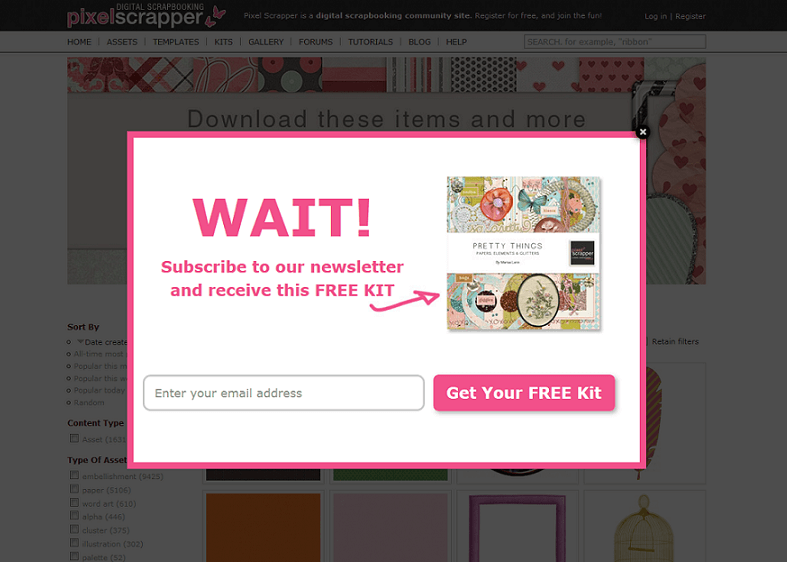
Exit-intent pop-ups are one of the most widely used strategies in digital marketing. These pop-ups appear when a visitor’s cursor moves toward the browser’s close button, indicating that they are about to leave the website. Instead of letting the visitor disappear without interaction, the pop-up delivers a final message or offer.
This technique works because it targets visitors at a critical decision point. At the moment they are about to leave, the pop-up presents an alternative option—such as a discount, free resource, or subscription invitation. By providing additional value, businesses can turn a potential exit into a conversion opportunity.
Many successful e-commerce brands rely heavily on exit-intent pop-ups to recover lost sales. A visitor who hesitates during checkout may be convinced to complete the purchase after seeing a pop-up offering free shipping or a limited-time coupon. Even if the visitor doesn’t buy immediately, they might still subscribe to the email list, allowing the business to nurture the lead later.
The key to successful exit-intent pop-ups is relevance. The message must align with the visitor’s interests and browsing behavior. When the offer feels personalized rather than generic, users are far more likely to engage with it.
Welcome Pop-Ups
Welcome pop-ups appear shortly after a visitor arrives on a website. Their goal is to introduce the brand and encourage immediate engagement. These pop-ups often include incentives like first-time discounts, free downloads, or exclusive offers.
The psychology behind welcome pop-ups is simple: first impressions matter. When a visitor sees a compelling offer within the first few seconds, they are more likely to stay and explore the site. Instead of leaving without interaction, they become part of the brand’s ecosystem.
Many businesses use welcome pop-ups to grow their email lists. By offering a small reward—such as a 10% discount—companies can rapidly build a database of potential customers. Over time, these subscribers become valuable assets for email marketing campaigns.
However, timing is crucial. Displaying a welcome pop-up too quickly can frustrate users who haven’t yet had time to explore the page. Successful strategies typically include a delay of several seconds, allowing visitors to absorb the content before presenting the offer.
Scroll-Based Pop-Ups
Scroll-based pop-ups appear when a visitor scrolls to a certain percentage of a webpage. For example, a pop-up might appear after the user has scrolled 60% of the page, indicating strong interest in the content.
This strategy works particularly well for blogs, landing pages, and long-form articles. When readers reach the middle of a page, they are already engaged with the content. A pop-up at this stage feels less intrusive and more like a natural extension of the browsing experience.
Businesses often use scroll-based pop-ups to promote related resources. For instance, a blog about digital marketing might display a pop-up offering a downloadable checklist or guide. Because the offer is directly related to the content, visitors are more likely to respond positively.
Gamified Pop-Ups
Gamified pop-ups transform traditional marketing prompts into interactive experiences. One popular example is the “spin-to-win” wheel, where visitors spin a digital wheel to receive discounts or rewards.
These interactive elements dramatically increase engagement because they tap into human curiosity and excitement. According to marketing statistics, gamified pop-ups can achieve conversion rates of nearly 30%, significantly higher than traditional pop-ups.
Gamification works because it introduces an element of fun. Instead of simply filling out a form, users participate in a mini-game that feels rewarding and entertaining. As a result, they are more likely to interact with the pop-up and remember the brand.
Latest Post


Data-Driven Benefits of Pop-Up Marketing
Conversion Statistics and Performance Metrics
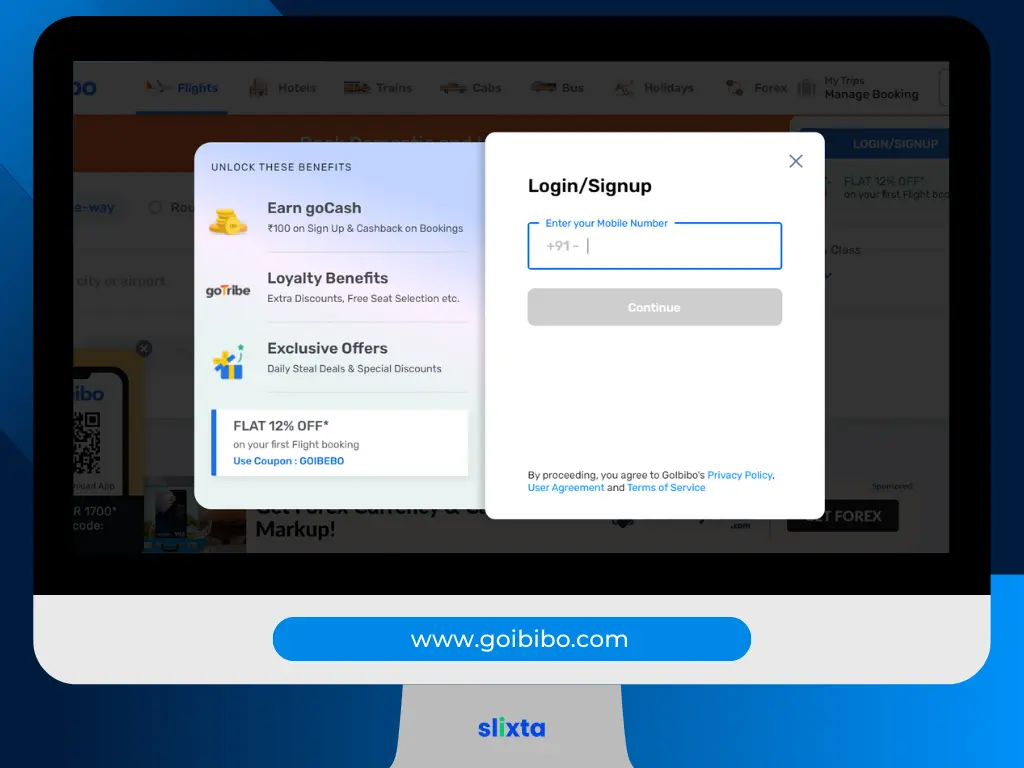
Numbers tell a powerful story in digital marketing, and pop-ups consistently deliver impressive performance metrics. Recent industry research shows that top-performing pop-up campaigns convert an average of 26.83% of visitors, demonstrating the massive potential of well-optimized pop-up strategies.
Another interesting statistic involves the use of images in pop-ups. Campaigns that include visual elements achieve about 5.71% conversion rates compared to 3.98% without images, highlighting the importance of design in capturing attention.
Discount offers are also particularly effective. Pop-ups that provide discounts convert at approximately 7.45%, which is 62% higher than standard pop-ups without incentives. These numbers reveal an important insight: users respond strongly to clear value propositions.
Countdown timers and urgency-based elements further amplify results. Pop-ups that include countdown timers achieve conversion rates of around 12.84%, dramatically outperforming those without urgency triggers.
These statistics highlight a simple truth: pop-ups are not just marketing gimmicks—they are data-driven tools capable of delivering measurable growth. By analyzing metrics like click-through rates, conversion rates, and engagement levels, businesses can continuously refine their pop-up strategies to achieve even better results.
Read More:-
DoctorBrand.me: Your Personalized Health Hub
Maximize Your Skills with Melee Dose: The Ultimate Gaming Tool
SurveySparrow: Your Trusted Survey Solution
Buddy Punch: Your All-in-One Time Tracking Tool
Mastering Messaging with SimpleTexting: A Comprehensive Guide
How FX Pop-Ups Improve Customer Experience
Personalization and Targeting
Many people assume pop-ups harm user experience, but when implemented thoughtfully, they can actually enhance it. The secret lies in personalization and behavioral targeting.
Modern websites collect valuable data about user behavior, including browsing history, purchase patterns, and interaction timing. This information allows businesses to display pop-ups that feel highly relevant rather than random.
For example, a returning visitor might see a pop-up recommending products based on previous browsing activity. A new visitor might receive a welcome discount instead. By tailoring messages to individual users, businesses create a more personalized and engaging experience.
Personalization also improves efficiency. Instead of overwhelming users with multiple offers, targeted pop-ups deliver a single, highly relevant message. This approach reduces annoyance while increasing the likelihood of conversion.
In essence, personalized pop-ups transform generic marketing messages into tailored recommendations, making the browsing experience smoother and more valuable for users.
Best Practices for Implementing FX Pop-Up Strategies
Timing and Frequency Optimization
Timing is perhaps the most important factor in pop-up success. A pop-up that appears too early can feel intrusive, while one that appears too late might miss the opportunity entirely.
Many marketers use behavioral triggers such as scrolling, inactivity, or exit intent to determine the optimal moment for displaying pop-ups. Studies suggest that analyzing user behavior through analytics tools can significantly improve engagement and conversion rates.
Frequency is equally important. Showing multiple pop-ups in quick succession can frustrate visitors and lead to higher bounce rates. Instead, businesses should limit pop-ups to key moments in the user journey.
Design and Messaging Tips
The design of a pop-up plays a major role in its effectiveness. Clean layouts, compelling visuals, and clear calls-to-action are essential for capturing attention.
Here are a few simple design principles:
- Use strong headlines that immediately communicate value
- Include high-quality images or icons
- Keep the message short and focused
- Highlight the benefit for the user
A well-designed pop-up should feel like an opportunity rather than an interruption.
Tools and Technologies for Pop-Up Campaigns
Automation and AI in Pop-Up Marketing
Modern marketing platforms have transformed pop-up strategies through automation and artificial intelligence. Tools like OptinMonster, ConvertKit, and Sumo allow businesses to create sophisticated pop-up campaigns with minimal technical knowledge.
AI algorithms analyze user behavior in real time, determining when and how to display pop-ups for maximum impact. This technology enables highly personalized campaigns that adapt to each visitor’s preferences.
Automation also simplifies testing and optimization. Marketers can run A/B tests to compare different headlines, designs, and offers, gradually improving performance over time.
Common Mistakes to Avoid in FX Pop-Up Strategies
Overuse and Intrusive Design
Despite their effectiveness, pop-ups can backfire if used excessively. Showing too many pop-ups can overwhelm users and damage brand perception.
Another common mistake is poor design. Cluttered layouts, aggressive messaging, and confusing forms can discourage users from interacting with the pop-up.
Successful strategies focus on relevance, timing, and simplicity, ensuring that pop-ups enhance rather than disrupt the user experience.
Future Trends in Pop-Up Marketing
Interactive and AI-Driven Pop-Ups
The future of pop-up marketing is becoming increasingly interactive. Businesses are experimenting with quizzes, surveys, and gamified experiences that turn pop-ups into engaging micro-interactions.
Artificial intelligence will also play a major role. AI-driven systems can analyze thousands of data points in real time, predicting the most effective pop-up message for each visitor.
As technology evolves, FX pop-up strategies will become smarter, more personalized, and more integrated with the overall digital marketing ecosystem.
Conclusion
FX pop-up strategies have evolved far beyond simple website notifications. Today, they represent a sophisticated marketing tool capable of capturing attention, generating leads, and increasing conversions. When implemented strategically, pop-ups act like digital assistants—guiding visitors toward valuable actions without disrupting their browsing experience.
The key to success lies in balance. Effective pop-ups deliver clear value, appear at the right moment, and align with the visitor’s interests. Businesses that embrace data-driven optimization, personalization, and creative design can transform pop-ups into one of their most powerful growth channels.
As online competition continues to intensify, mastering FX pop-up strategies will become an essential skill for digital marketers and entrepreneurs looking to boost their business online.
FAQs
Q. What is an FX pop-up strategy?
A. An FX pop-up strategy refers to the use of targeted pop-up messages on websites to capture leads, promote offers, and increase conversions through strategic timing and personalization.
Q. Are pop-ups still effective in digital marketing?
A. Yes. Modern pop-ups can achieve conversion rates above 26% when optimized with A/B testing, targeting, and compelling offers.
Q. What types of pop-ups work best?
A. Exit-intent pop-ups, welcome pop-ups, scroll-based pop-ups, and gamified pop-ups are among the most effective formats used by businesses today.
Q. Do pop-ups affect user experience?
A. When used excessively, they can be annoying. However, well-timed and personalized pop-ups often improve engagement and guide users toward helpful actions.
Q. How can businesses optimize pop-up campaigns?
A. Businesses should use analytics, A/B testing, and behavioral triggers to refine pop-up timing, design, and messaging for better performance.