
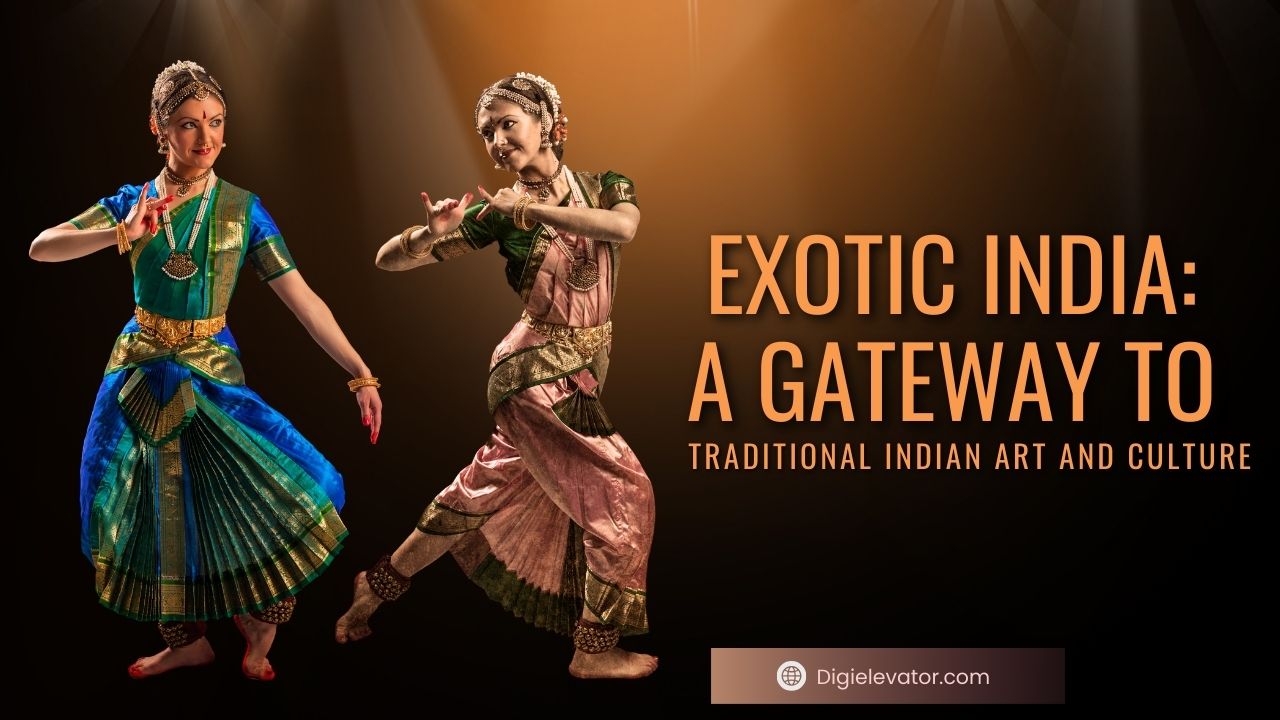
The rich heritage, timeless art forms, and vibrant cultural traditions that define India’s identity. The blog highlights how Exotic India connects ancient paintings, handicrafts, textiles, music, dance, and architecture with the modern world, offering readers an immersive journey into the soul of Indian art and culture while celebrating its global relevance and enduring beauty.
Table of Contents
- Why India Is Called a Cultural Treasure Trove
- What “Exotic India” Means in a Global Setting
- Understanding Traditional Indian Art
- Classical Indian Paintings
- Indian Handicrafts: Skill Passed Through Generations
- The Elegance of Indian Textiles
- Traditional Indian Performing Arts
- Folk Art and Regional Expressions
- Architecture as Cultural Art
- Indian Culture Beyond Art
- The Role of Exotic India in Cultural Preservation
- Why Global Audiences Are Drawn to Exotic India
- Digital Platforms and the Revival of Indian Art
- How Traditional Art Shapes Modern Indian Identity
- Challenges Faced by Traditional Indian Artists
- The Future of Traditional Indian Art and Culture
- Conclusion
- FAQs
Why India Is Called a Cultural Treasure Trove
Imagine opening a chest filled with countless gems, each shining differently. That’s India for you. From the Himalayas to coastal villages, every region has its own artistic language, shaped by history, faith, and everyday life.
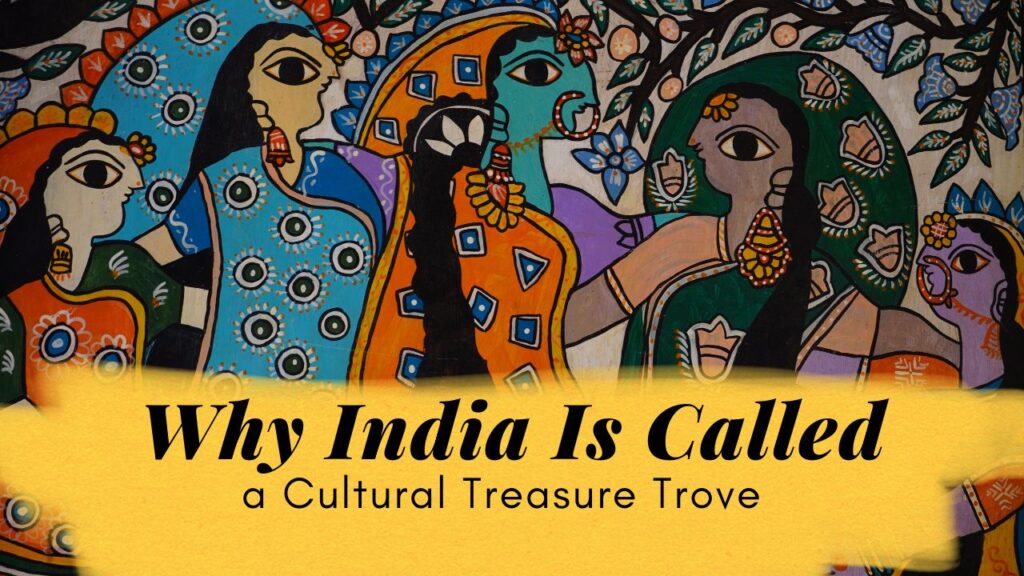
What “Exotic India” Means in a Global Setting
To the world, Exotic India represents mystery, depth, and authenticity. It’s where art isn’t just decoration—it’s devotion, storytelling, and identity rolled into one.
Understanding Traditional Indian Art
The Philosophy Behind Indian Art Forms
Traditional Indian art isn’t about perfection; it’s about expression. It often follows spiritual principles, using symbols, patterns, and rhythms to connect the physical with the divine.
Art as a Reflection of Spirituality and Daily Life
Whether it’s a village mural or a temple sculpture, Indian art mirrors life itself—birth, nature, gods, festivals, and human emotions.
Classical Indian Paintings
Madhubani Painting
Origins and Symbolism
Born in Bihar, Madhubani paintings are vibrant tales painted with fingers and twigs. Fish symbolize prosperity, peacocks stand for love, and gods appear as part of daily life.
Warli Art
Tribal Stories on Mud Walls
Warli art is minimal yet powerful. Simple stick figures dance, farm, and celebrate, showing harmony between humans and nature.
Pattachitra and Miniature Paintings
These detailed paintings from Odisha and Rajasthan are visual poems—precise lines, natural colors, and epic narratives frozen in time.
Indian Handicrafts: Skill Passed Through Generations
Wood, Metal, and Stone Crafts
Indian handicrafts are patience carved into form. From brass idols to sandalwood carvings, every piece carries the artisan’s soul.
Pottery and Terracotta Traditions
Terracotta horses, lamps, and pots remind us that beauty can rise from humble earth.
The Elegance of Indian Textiles
Handloom Heritage of India
Indian textiles are woven stories. Each thread holds regional identity, climate wisdom, and ancestral knowledge.
Sarees as Cultural Storytellers
Banarasi, Kanchipuram, and Bandhani
A saree isn’t just clothing—it’s history draped in six yards. Gold threads, silk weaves, and tie-dye patterns speak volumes without words.
Traditional Indian Performing Arts
Classical Dance Forms
Bharatanatyam, Kathak, and Odissi
These dances are moving sculptures. Every hand gesture, eye movement, and step tells a story from mythology and life.
Indian Classical Music
Hindustani and Carnatic Traditions
Indian music isn’t rushed. It flows like a river, slowly unfolding emotions through ragas and rhythms.
Read More:-
How PearlMountain Limited Is Empowering Creative Professionals
How Telusion Inc Supports Businesses with Advanced Telecom Services
SMASHINGLOGO: An Easy Way to Create Professional Logos
How VirtualMate Helps Companies Improve Productivity
EightVape: How Digital Marketing Fuels E-Commerce Growth
Folk Art and Regional Expressions
Diversity Across Indian States
Each state paints, sings, and dances differently. That diversity is India’s greatest strength.
Festivals as Living Art Forms
Festivals turn streets into galleries—rangoli on floors, lanterns in skies, and music in the air.
Architecture as Cultural Art
Temple Architecture and Symbolism
Indian temples are stone scriptures, layered with cosmic geometry and spiritual meaning.
Palaces, Forts, and Monuments
From forts to palaces, architecture stands as art shaped by power, beauty, and belief.
Indian Culture Beyond Art
Rituals, Customs, and Traditions
Daily rituals—lighting lamps, greeting with folded hands—are cultural art in motion.
Food, Clothing, and Social Life
Indian cuisine and clothing reflect geography, seasons, and community values.
The Role of Exotic India in Cultural Preservation
Bridging the Past and the Present
Exotic India acts as a bridge, helping traditional art survive in modern times.
Promoting Indian Art to the World
By showcasing authentic crafts and stories, it connects global audiences to Indian roots.
Why Global Audiences Are Drawn to Exotic India
Authenticity in a Modern World
In a mass-produced era, handcrafted Indian art feels refreshingly real.
Cultural Tourism and Artistic Exchange
Travelers don’t just visit India—they experience it through art, music, and tradition.
Digital Platforms and the Revival of Indian Art
Online Marketplaces for Artisans
Digital platforms give artisans a global stage without losing authenticity.
Social Media and Cultural Awareness
Reels, photos, and stories now carry centuries-old traditions to younger audiences.
How Traditional Art Shapes Modern Indian Identity
Fusion of Old and New
Designers and artists blend tradition with modern aesthetics.
Influence on Fashion, Design, and Media
Indian motifs now walk global runways and screens.
Challenges Faced by Traditional Indian Artists
Commercialization vs Authenticity
Mass production threatens originality, but awareness can restore balance.
Need for Sustainable Support
Fair trade, education, and appreciation are key to survival.
The Future of Traditional Indian Art and Culture
Youth Participation and Innovation
Young creators are reimagining traditions without erasing their roots.
Global Recognition and Preservation
With the right support, Indian art will continue to inspire the world.
Conclusion
Exotic India is more than a concept—it’s a living gateway to traditional Indian art and culture. It challenges you to step slower down, take a closer look, and experience more. In every brushstroke, rhythm, and weave, India opens its heart to the world.
FAQs
Q. What does Exotic India represent?
A. It represents the rich diversity, authenticity, and timeless beauty of Indian art and culture.
Q. Why is traditional Indian art still relevant today?
A. Because it connects modern life with heritage, values, and sustainable creativity.
Q. Which Indian art forms are most popular globally?
A. Madhubani, Warli, Indian classical dance, handloom textiles, and handicrafts.
Q. How can people support traditional Indian artists?
A. By buying authentic products, promoting awareness, and supporting fair-trade platforms.
Q. Is Indian culture evolving or staying traditional?
A. It’s evolving beautifully—blending tradition with modern expression.